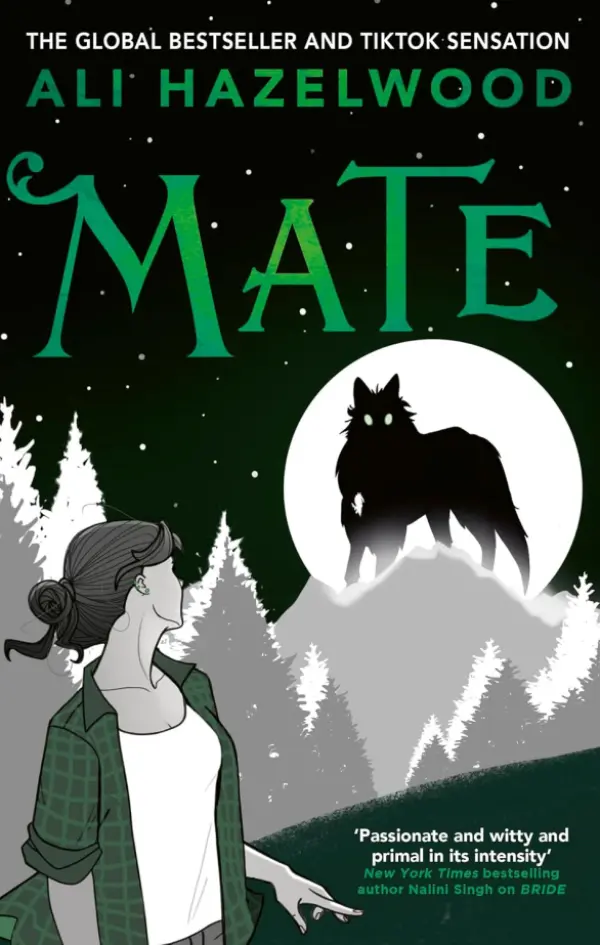
Mate
Ali Hazelwood
Average Goodreads rating4.4
- Found Family
- Heat / Spice

Book trope · 5 books
At its heart, this trope asks one of the oldest questions in storytelling: are we the authors of our own lives, or are we simply living out a story already written?
More about the Choice vs Destiny trope2 are tagged with Choice vs Destiny individually. The others belong to a series tagged with it, which doesn’t mean every book in it features the trope, so they’re marked “Matched via its series”.
Updating books…
5 books found
Ali Hazelwood
Average Goodreads rating4.4
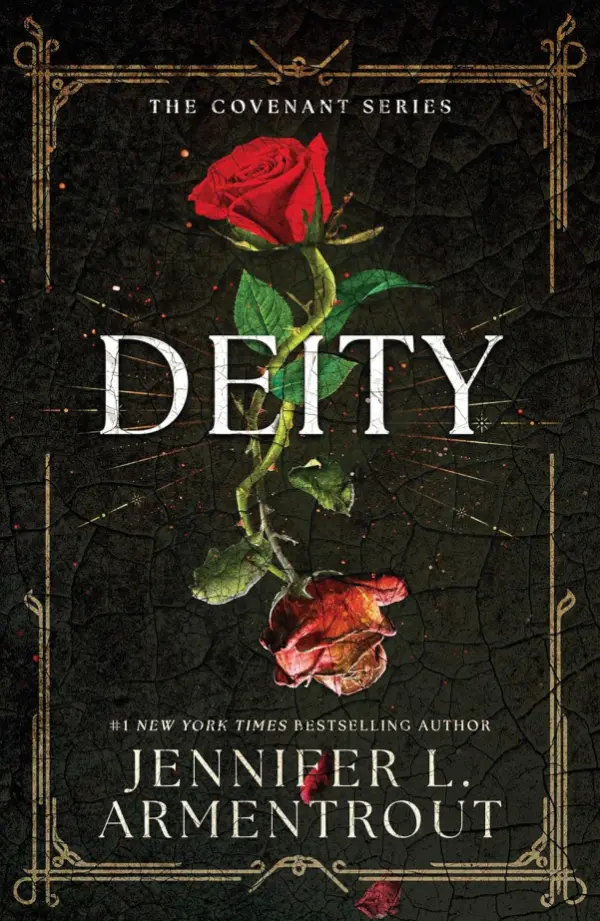
Jennifer L. Armentrout
Covenant, book 3
Average Goodreads rating4.2

Kristen Ciccarelli
Iskari, book 1
Average Goodreads rating4.4
Matched via its series

Kristen Ciccarelli
Iskari, book 2
Average Goodreads rating4.5
Matched via its series

Kristen Ciccarelli
Iskari, book 3
Average Goodreads rating4.5
Matched via its series
Tropes that share the most books with Choice vs Destiny
At its heart, this trope asks one of the oldest questions in storytelling: are we the authors of our own lives, or are we simply living out a story already written? A character is told — by prophecy, by fate, by an ancient power — that their path is fixed. What happens next is where the real drama begins.
Choice vs Destiny sits at the intersection of plot and philosophy. It's not enough for the world to be at stake; what matters is whether the protagonist has any genuine say in saving it. That tension between free will and predetermined outcome gives stories a particular kind of urgency that few other structures can match.
There's something deeply personal about this trope, even in the most fantastical settings. Most of us have felt, at some point, that our choices were made for us — by circumstance, by expectation, by the life we were born into. A character railing against a prophecy or choosing a path no oracle predicted becomes a kind of wish fulfilment for anyone who's ever wanted to rewrite their own story.
Fantasy and romance readers are especially drawn to it because both genres already care intensely about stakes. Romantic choices carry enormous weight when destiny keeps pushing two people together — or apart. And in epic fantasy, the chosen one archetype becomes far more interesting when the chosen one starts asking who, exactly, did the choosing.
The trope tends to appear in a few distinct forms. The Reluctant Chosen is perhaps the most familiar: a character selected by fate who resents the selection and fights it, only to discover that resistance is itself part of their growth. Then there's the Fulfilled Prophecy with a twist — a prediction that comes true, but not in the way anyone expected, raising questions about whether destiny was ever truly steering things or just offering a very loose map.
More subversive versions flip the premise entirely. A character might choose to accept a destiny as a form of agency — deciding that embracing the prophecy on their own terms is a kind of freedom. Others show fate as something genuinely malleable, rewritten through sacrifice or love or sheer stubbornness. Romance novels in particular use this variant beautifully, where a fated mate bond or a curse is only broken when someone chooses connection over self-protection.
What separates weaker versions of this trope from stronger ones is usually interiority. When readers can feel the weight of the character's deliberation — when the choice costs something real — the payoff resonates far beyond the plot.
Thousands of years of mythology tell us this conversation between human will and cosmic design isn't going anywhere. Fantasy and romance writers keep returning to it because it never stops being urgent. Every generation finds a new way to ask whether we are shaped by forces beyond us — and whether it matters either way.
If you're looking for stories that make you think as hard as they make you feel, Choice vs Destiny is where to start.
Occasional emails with new recommendations, series news and trope round-ups.