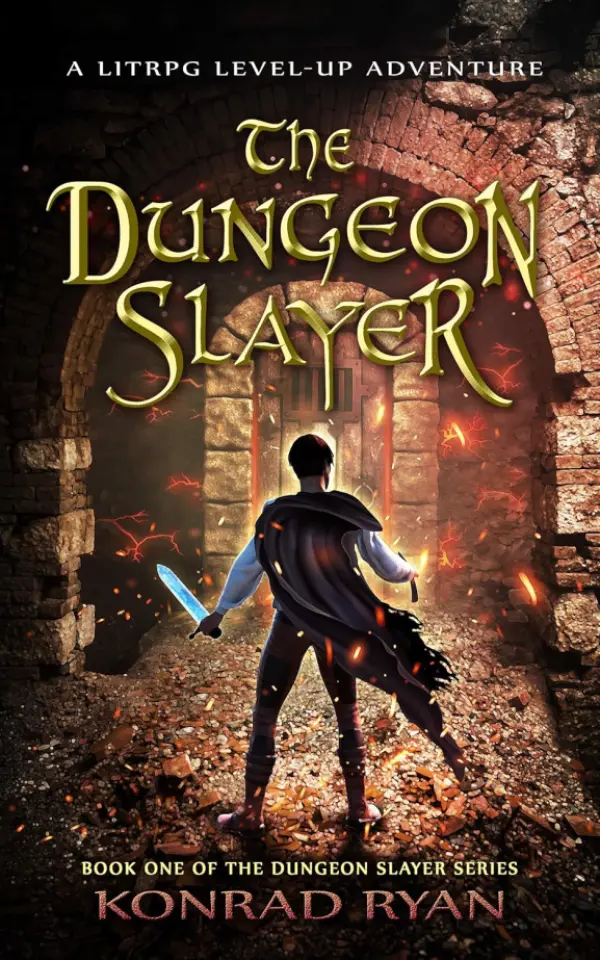
The Dungeon Slayer
Konrad Ryan
The Dungeon Slayer Series, book 1
Average Goodreads rating4.6
Matched via its series

Book trope · 6 books
At its most elemental, a boss battle is the climactic confrontation between the protagonist and the primary antagonist — the moment the whole story has been building towards.
More about the Boss Battles trope0 are tagged with Boss Battles individually. The others belong to a series tagged with it, which doesn’t mean every book in it features the trope, so they’re marked “Matched via its series”.
Updating books…
6 books found
Konrad Ryan
The Dungeon Slayer Series, book 1
Average Goodreads rating4.6
Matched via its series
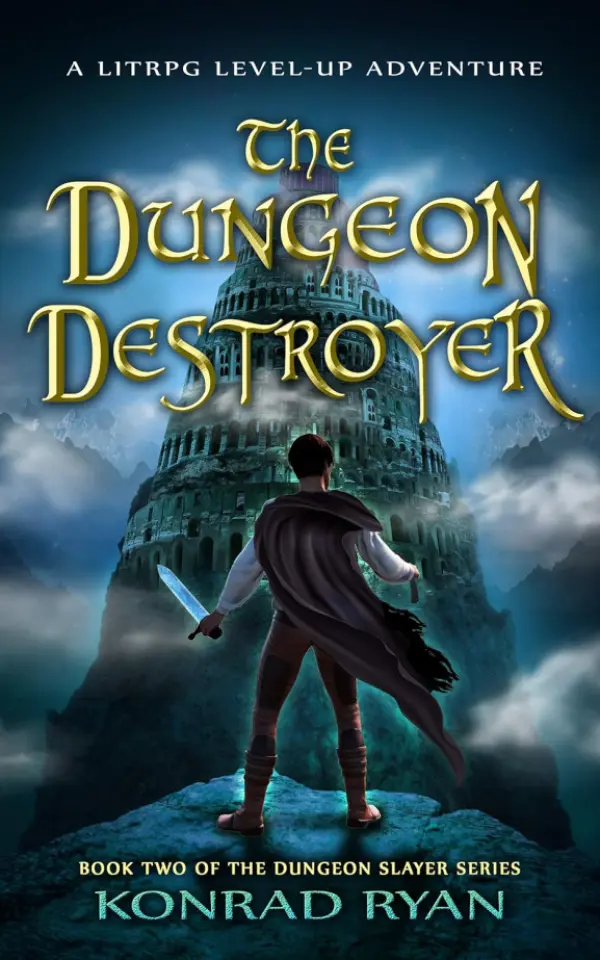
Konrad Ryan
The Dungeon Slayer Series, book 2
Average Goodreads rating4.6
Matched via its series
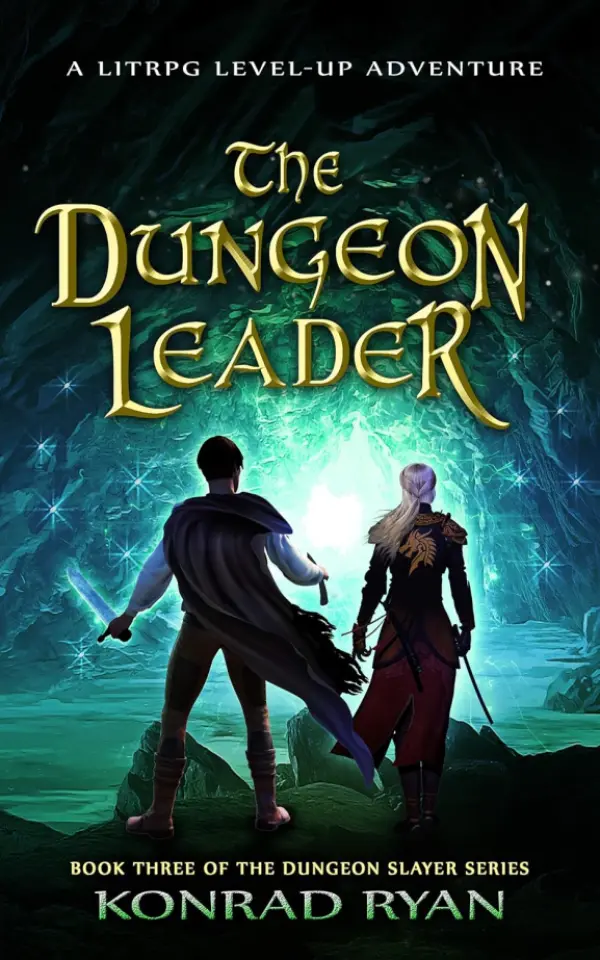
Konrad Ryan
The Dungeon Slayer Series, book 3
Average Goodreads rating4.6
Matched via its series
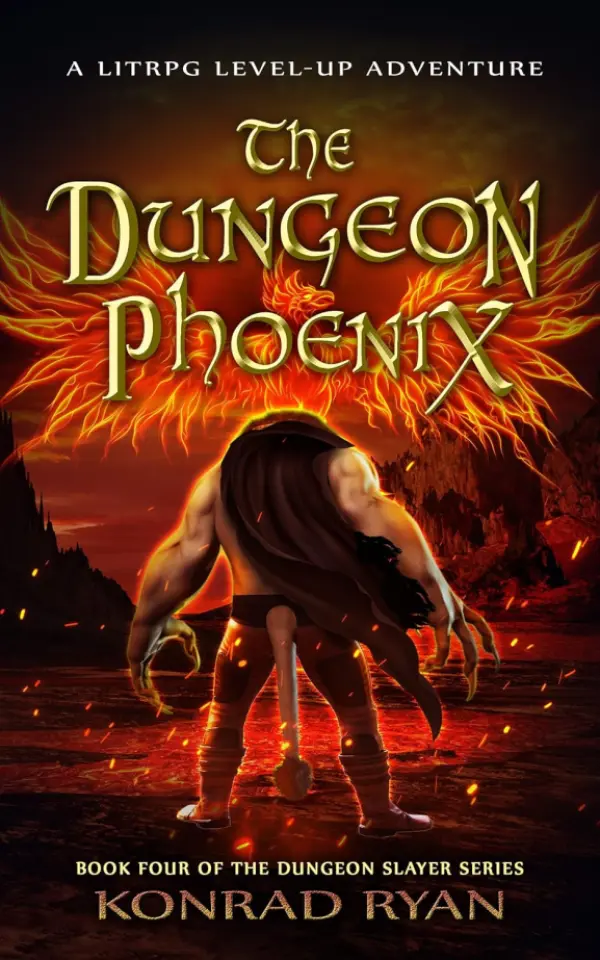
Konrad Ryan
The Dungeon Slayer Series, book 4
Average Goodreads rating4.6
Matched via its series
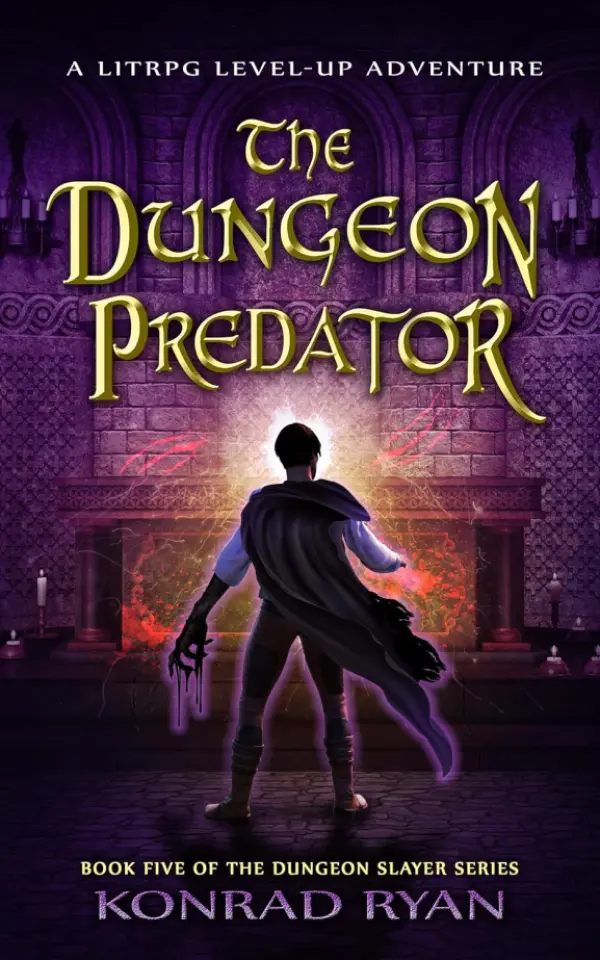
Konrad Ryan
The Dungeon Slayer Series, book 5
Average Goodreads rating4.4
Matched via its series
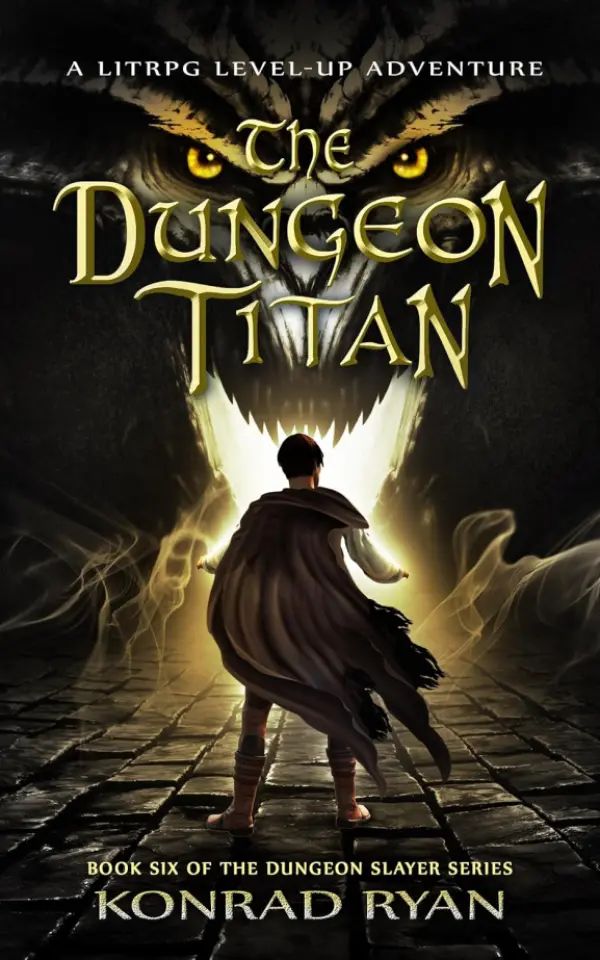
Konrad Ryan
The Dungeon Slayer Series, book 6
Average Goodreads rating4.1
Matched via its series
Tropes that share the most books with Boss Battles
At its most elemental, a boss battle is the climactic confrontation between the protagonist and the primary antagonist — the moment the whole story has been building towards. Think of it as the final door at the end of a very long corridor. Everything that came before, every wound earned and lesson learned, gets tested in a single, high-stakes encounter.
Fantasy and romance readers are drawn to boss battles because they deliver on a promise. The narrative has spent chapters establishing threat, raising stakes, and deepening the hero's resolve. The boss battle is where the bill comes due. Done well, it's less about who throws the biggest fireball and more about who the protagonist has become by the time they arrive at that confrontation.
The best boss battles aren't won by strength alone. There's usually a turning point — a moment where the hero has to use something unexpected, something personal, something the villain fundamentally underestimated. Cleverness over brute force. Emotional truth over tactical superiority. That's the shift that separates a memorable boss battle from a sequence of action choreography.
Stakes are everything. The antagonist has to feel genuinely dangerous. If readers never believe the hero might lose, the tension collapses entirely. Strong boss battles tend to arrive after the hero has already taken real losses — relationships strained, resources depleted, confidence shaken. They arrive at the final confrontation not at full strength, but just capable enough.
In epic fantasy, boss battles are often literal: a dark lord, a corrupted god, a warlord commanding armies. These confrontations can span entire chapters and frequently involve secondary characters fighting alongside the protagonist. The physical scale can be enormous, but the emotional core is usually intimate — a personal reckoning between the hero's values and the villain's worldview.
In romantasy and fantasy romance, the boss battle sometimes wears a different face. The primary antagonist might be a political rival, a controlling family member, or an institution that's been working against the central couple throughout the narrative. The confrontation is still climactic, still charged with everything that's come before, but the resolution might hinge on a declaration or a defiant choice rather than a drawn blade.
Urban fantasy often brings the boss battle into cramped, recognisable spaces — warehouses, rooftops, city streets at three in the morning — which creates a different kind of tension. The ordinariness of the setting makes the extraordinary danger feel immediate and personal.
There's a reason the boss battle is one of the most satisfying structural beats in storytelling. It collapses the entire emotional journey of a book into a single confrontation. The protagonist's growth, the villain's menace, the cost of the quest — all of it arrives at once, demanding resolution.
Readers who love this trope tend to seek out books where the final confrontation earns its place: not bolted on at the end, but inevitable, as though every chapter was quietly pointing towards it. When a boss battle lands correctly, you feel it in your chest before you've even turned the last page.
Occasional emails with new recommendations, series news and trope round-ups.