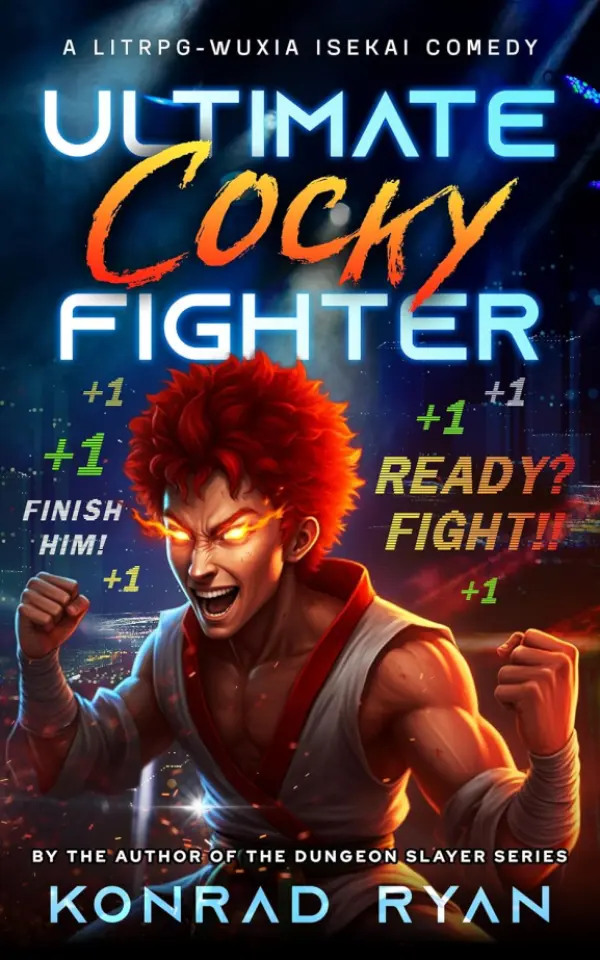
Ultimate Cocky Fighter
Konrad Ryan
Ultimate Cocky Fighter, book 1
Average Goodreads rating4.2
Matched via its series

Book trope · 2 books
Wuxia is a genre and trope tradition rooted in Chinese martial arts fiction, the name translating roughly as 'martial hero' or 'chivalrous fighter'.
More about the Wuxia trope0 are tagged with Wuxia individually. The others belong to a series tagged with it, which doesn’t mean every book in it features the trope, so they’re marked “Matched via its series”.
Updating books…
2 books found
Konrad Ryan
Ultimate Cocky Fighter, book 1
Average Goodreads rating4.2
Matched via its series
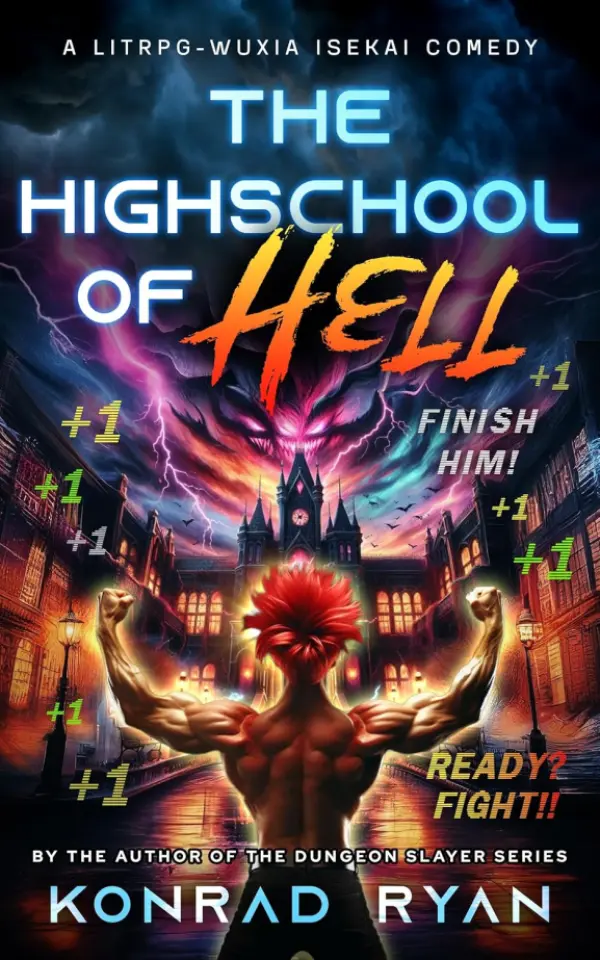
Konrad Ryan
Ultimate Cocky Fighter, book 2
Average Goodreads rating4.8
Matched via its series
Tropes that share the most books with Wuxia
Wuxia is a genre and trope tradition rooted in Chinese martial arts fiction, the name translating roughly as 'martial hero' or 'chivalrous fighter'. It centres on protagonists who pursue mastery of combat, internal energy cultivation, and a personal code of honour — often at great personal cost. The settings are typically pre-modern, drawing on the landscapes, philosophies, and dynastic histories of ancient China, though many contemporary authors blend these foundations with secondary-world fantasy to spectacular effect.
At its heart, wuxia is about the pursuit of something. Power, justice, revenge, redemption — sometimes all four at once. The fighter who begins with nothing and rises through sheer discipline and will is one of the most enduring figures in all of genre fiction, and wuxia frames that journey with an intensity that's hard to match.
Several elements recur across wuxia stories with enough consistency to feel like hallmarks. Martial sects and schools function almost like families — complete with rivalries, betrayals, and fierce loyalty. The concept of qi or internal energy runs through much of the genre's magic system logic, with cultivation and mastery replacing the wand-waving of Western fantasy. Weapons carry significance beyond their function: a sword passed down through a bloodline, a technique taught only to one worthy student.
Honour is never simple here. Characters navigate competing obligations — to their sect, their family, their sworn enemies turned reluctant allies. The moral landscape is rarely clean. A villain might operate by a stricter code than the supposed hero. That tension is part of what keeps readers turning pages.
Wuxia bleeds into several adjacent traditions. Xianxia pushes the cultivation elements further into the supernatural, with immortals, heavenly realms, and characters who train across literal centuries. Xuanhuan takes even greater liberties with the fantasy elements, often combining Chinese mythological structures with entirely invented cosmologies. In English-language fiction, many authors now draw consciously on wuxia conventions while writing for Western audiences, producing stories that feel distinct from either tradition's pure form.
Romance is a significant thread through much of the genre. The forbidden pairing of fighters from rival sects, the mentor whose feelings become complicated, the enemy who admires before they hate — these dynamics land with particular force against wuxia's backdrop of duty and restraint. Action sequences, too, carry a different charge when the choreography of a fight can reveal character as clearly as dialogue.
There's something uniquely satisfying about a story where physical and moral discipline are treated as the same project. Wuxia protagonists earn their power through sacrifice and study rather than inheritance or luck. The genre rewards patience — in its characters and in its readers, who come to understand that the best fights are never really just about fighting.
Once you've read one wuxia story that lands, you'll spend a long time chasing that feeling again.
Occasional emails with new recommendations, series news and trope round-ups.