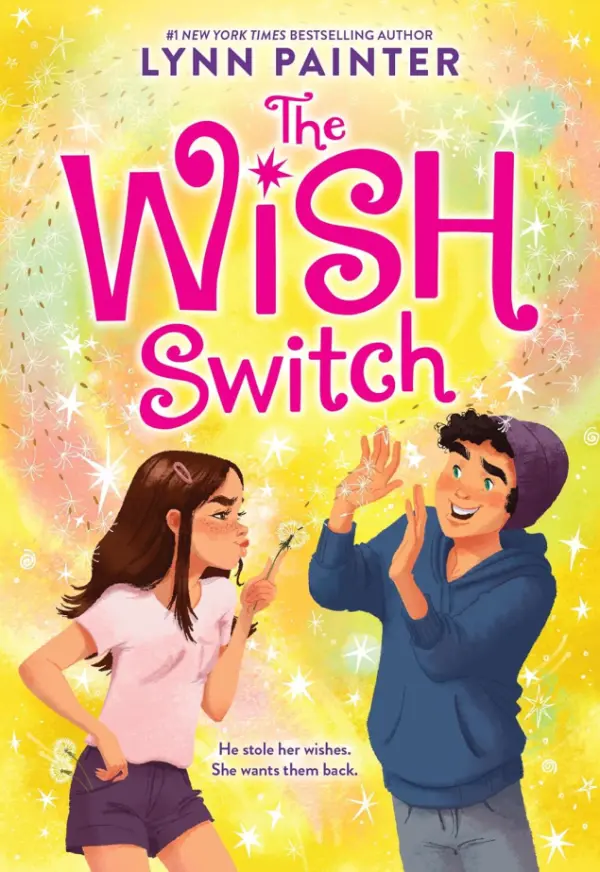
The Wish Switch
Lynn Painter
Average Goodreads rating3.7
- Coming of Age
- Enemies to Allies

Book trope · 3 books
At its most honest, wish fulfilment is the engine beneath a very large portion of fiction. The term describes stories — or specific elements within them — where characters receive what readers most secretly want: recognition, power, love, escape, or the chance to rewrite a life that wasn't going the way it should.
More about the Wish Fulfilment trope1 is tagged with Wish Fulfilment individually. The others belong to a series tagged with it, which doesn’t mean every book in it features the trope, so they’re marked “Matched via its series”.
Updating books…
3 books found
Lynn Painter
Average Goodreads rating3.7
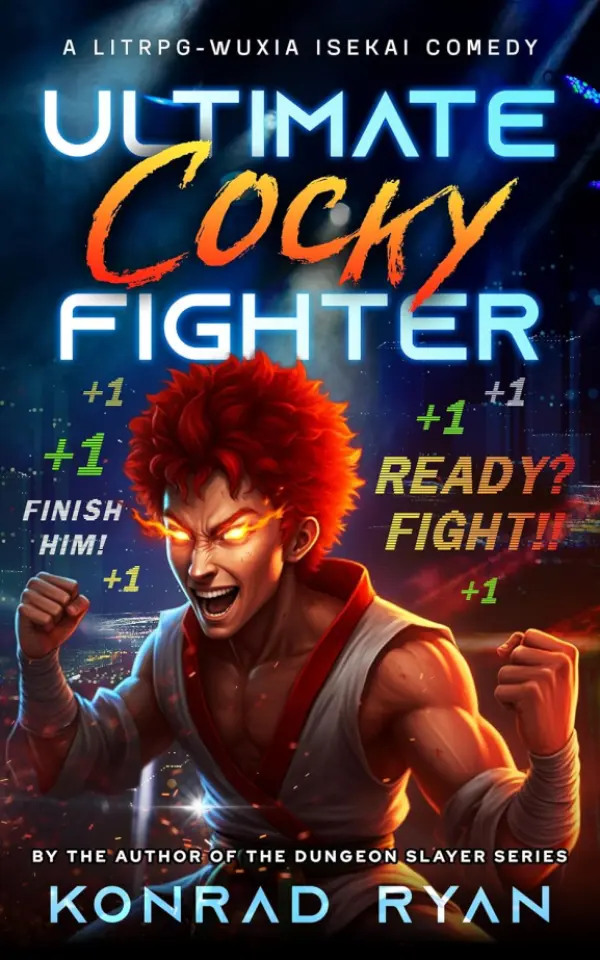
Konrad Ryan
Ultimate Cocky Fighter, book 1
Average Goodreads rating4.2
Matched via its series
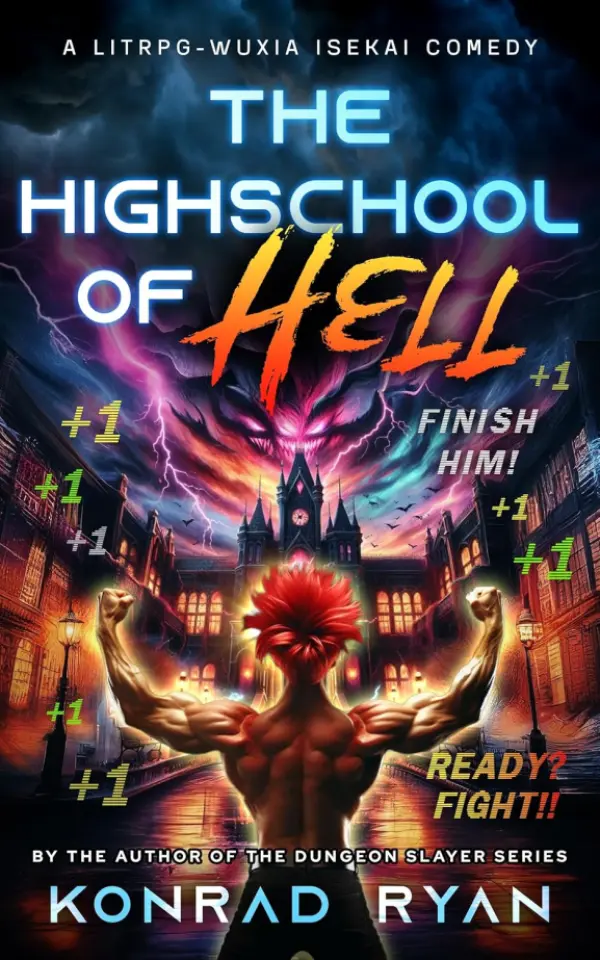
Konrad Ryan
Ultimate Cocky Fighter, book 2
Average Goodreads rating4.8
Matched via its series
Tropes that share the most books with Wish Fulfilment
At its most honest, wish fulfilment is the engine beneath a very large portion of fiction. The term describes stories — or specific elements within them — where characters receive what readers most secretly want: recognition, power, love, escape, or the chance to rewrite a life that wasn't going the way it should. It's the fantasy of being chosen, of being extraordinary, of having the universe finally turn in your favour.
Far from being a criticism, the label is increasingly worn as a badge of honour. Readers seek these stories out deliberately, because there's genuine pleasure in watching a protagonist get the good ending, the devoted love interest, or the respect they were long denied.
The hallmark of wish fulfilment is wish fulfilment is a protagonist whose circumstances improve in ways that feel aspirational rather than purely realistic. This might be a overlooked nobody who turns out to be devastatingly powerful. It might be a woman who, after years of thankless effort, finds herself surrounded by people who finally see her clearly. It might simply be a character who lands the relationship that feels too perfect, too attentive, too exactly right to be accidental.
The emotional contract with the reader is central here. These stories work because they tap into something the reader recognises — a longing, a frustration, a private fantasy — and then deliver on it with as much satisfaction as possible. The mechanics of how that delivery happens vary wildly, but the feeling at the end is consistent: a kind of vicarious relief.
In romance, wish fulfilment often appears as the devoted love interest — someone patient, perceptive, and almost unrealistically attentive to the protagonist's needs. The brooding duke who softens only for her. The rivals-to-lovers arc where the antagonist's hostility curdles into obsession and then adoration. The grumpy hero who is, beneath it all, entirely gone for the heroine.
Fantasy leans heavily on power fantasies: the farm boy who becomes a king, the girl told she has no magic who turns out to have the rarest kind, the underestimated apprentice who surpasses the master. These aren't accidental resonances — authors use them deliberately because they speak to something readers carry into the book before they've read a single page.
There's also a quieter strand of wish fulfilment built around belonging: found family, a community that values you, a place in the world that finally fits. This version tends to land especially hard for readers who felt like outsiders, and it recurs across both fantasy and contemporary romance with remarkable frequency.
Critics sometimes use wish fulfilment as a dismissal, implying that a story earning the label lacks sophistication. That reading misses the point entirely. The best wish fulfilment is emotionally precise — it knows exactly which nerve it's pressing. Writing a satisfying fantasy requires understanding what readers actually want, which is its own kind of craft.
There's also something quietly subversive about the trope in certain contexts. Stories that centre wish fulfilment for women, marginalised readers, or anyone historically excluded from the hero role carry a charge that purely plot-driven fiction doesn't. The wish being fulfilled isn't incidental — it's the whole point. And sometimes, that's exactly what a reader needs.
Occasional emails with new recommendations, series news and trope round-ups.