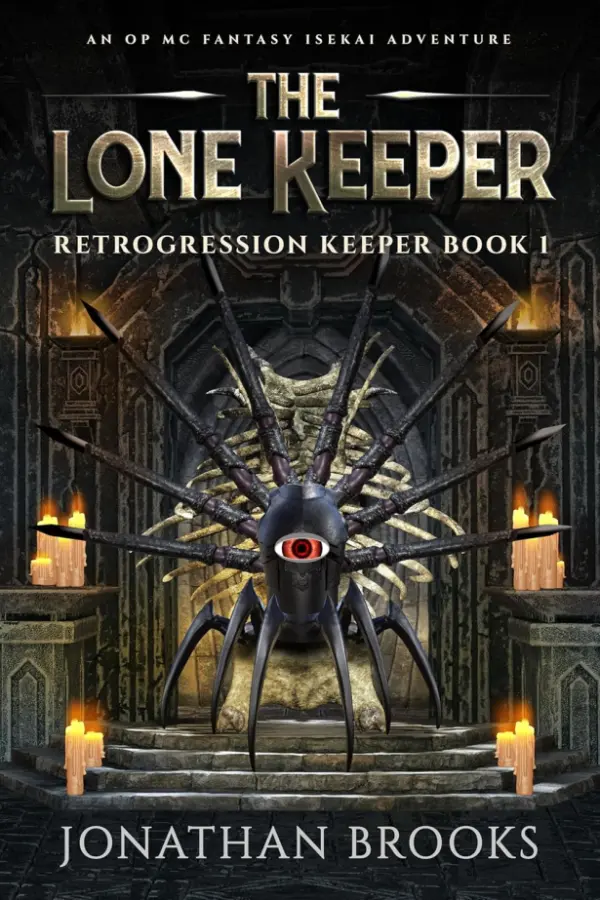
The Lone Keeper
Jonathan Brooks
Retrogression Keeper, book 1
Average Goodreads rating4.5
Matched via its series

Book trope · 2 books
The sole survivor is exactly what it sounds like: one person walks away from something catastrophic when everyone else does not. A massacre, a shipwreck, a war campaign, a plague, a monster attack — whatever the disaster, this character is the only one left standing.
More about the Sole Survivor trope0 are tagged with Sole Survivor individually. The others belong to a series tagged with it, which doesn’t mean every book in it features the trope, so they’re marked “Matched via its series”.
Updating books…
2 books found
Jonathan Brooks
Retrogression Keeper, book 1
Average Goodreads rating4.5
Matched via its series
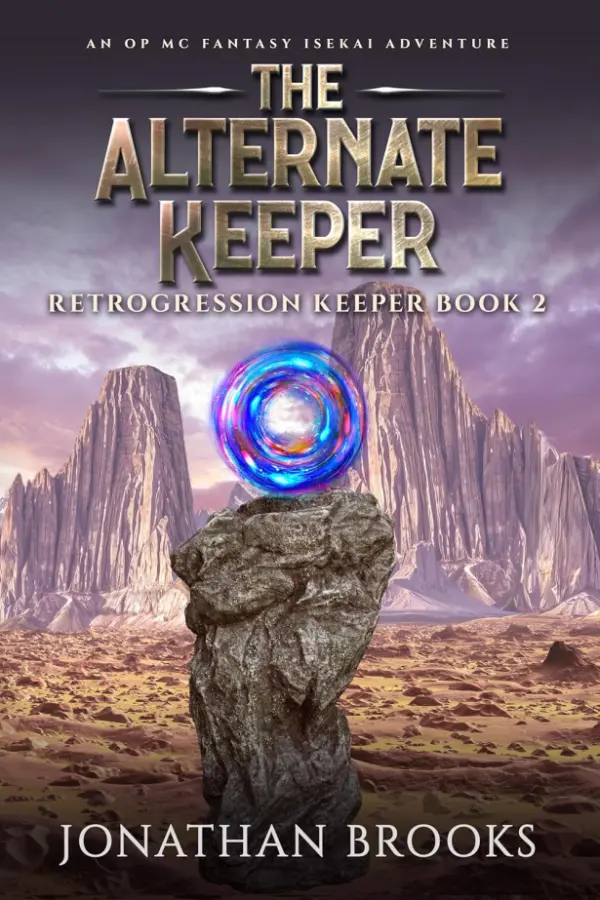
Jonathan Brooks
Retrogression Keeper, book 2
Average Goodreads rating4.6
Matched via its series
Tropes that share the most books with Sole Survivor
The sole survivor is exactly what it sounds like: one person walks away from something catastrophic when everyone else does not. A massacre, a shipwreck, a war campaign, a plague, a monster attack — whatever the disaster, this character is the only one left standing. They didn't necessarily do anything to earn it. Sometimes they were simply in the wrong place at the right time, or the right place at the wrong time, depending on how you look at it.
Fantasy and romance readers are particularly drawn to this trope because survival alone is never the end of the story. It's the beginning of the more interesting one.
Guilt is at the heart of it. A character who survived when others didn't carries that fact like a stone in their chest. They ask themselves — often obsessively — why them. They replay the moments leading up to the disaster. They catalogue the faces of those who didn't make it. That internal weight gives authors extraordinary material to work with, because a person shaped by grief and guilt behaves differently. They make bolder choices, or more reckless ones. They're harder to reach emotionally, or they cling too hard when they finally let someone in.
In romance, the sole survivor is especially compelling as a love interest or protagonist because the barrier to intimacy isn't arrogance or circumstance — it's something genuinely earned. They've lost before, catastrophically. Letting someone matter again feels like tempting fate.
A few recurring features tend to show up alongside the sole survivor. Isolation is common — either literal, where the character has physically withdrawn from society, or emotional, where they're present but unreachable. Flashbacks and memory intrusions are almost standard; the past doesn't stay past for these characters. There's often a central question of purpose: what do you do with a life that feels borrowed?
Some sole survivors carry a specific mission born from the loss — revenge, witness-bearing, finishing what others started. Others are running from the memories entirely. Both versions generate compelling narrative tension, and the best-written examples often show a character doing both at once without quite realising it.
The trope also tends to intersect with others. The last of their kind is a close cousin, particularly in high fantasy, where the survivor may be the final bearer of a bloodline, a magic, or a cultural memory. Chosen one stories sometimes fold in sole survivor backstory as the wound that explains the hero. Found family narratives pair beautifully with it too — rebuilding what was lost with people who are new.
Not all sole survivors are passive in their survival. One popular variation places the character in the position of having made a choice that saved them and sealed the fate of others — whether through heroism, cowardice, or simple chance dressed up as decision. The moral complexity there is considerable.
Another variation flips the perspective: the survivor isn't the protagonist but the figure everyone else in the story has heard about. They arrive already legendary, already ruined, and the narrative is partly about the gap between the myth and the person.
In darker fantasy, the survival itself can be suspicious. Why did only one person make it out? That question, left open long enough, can drive an entire plot.
Whatever form it takes, the trope endures because survival without meaning is its own kind of tragedy — and stories exist to find the meaning.
Occasional emails with new recommendations, series news and trope round-ups.