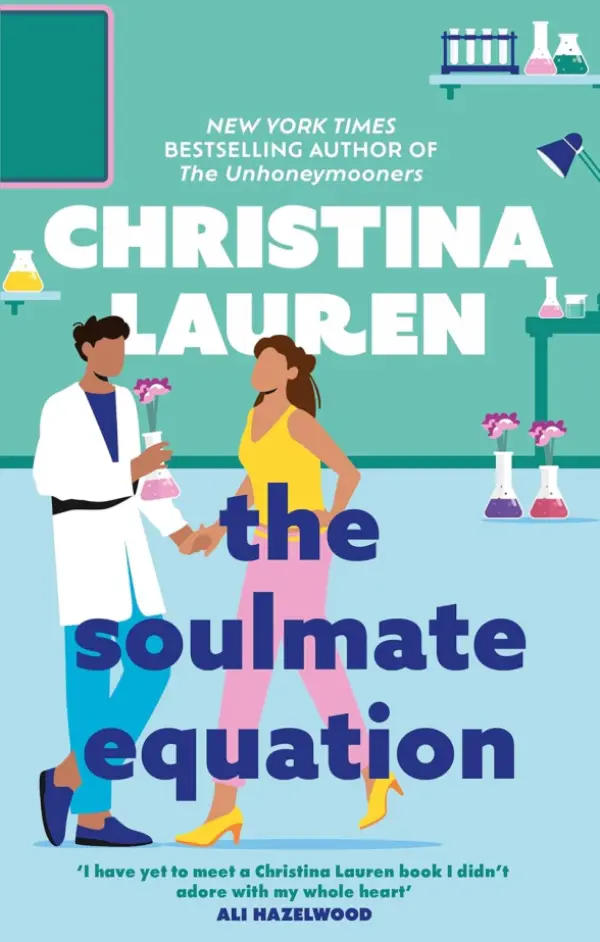
The Soulmate Equation
Christina Lauren
Average Goodreads rating4.0
- Enemies to Lovers
- Found Family

Book trope · 8 books
At its core, the single parent trope centres on a character raising a child — or children — alone, and the way that responsibility reshapes every aspect of their life, including who they let in.
More about the Single Parent trope3 are tagged with Single Parent individually. The others belong to a series tagged with it, which doesn’t mean every book in it features the trope, so they’re marked “Matched via its series”.
Updating books…
8 books found
Christina Lauren
Average Goodreads rating4.0
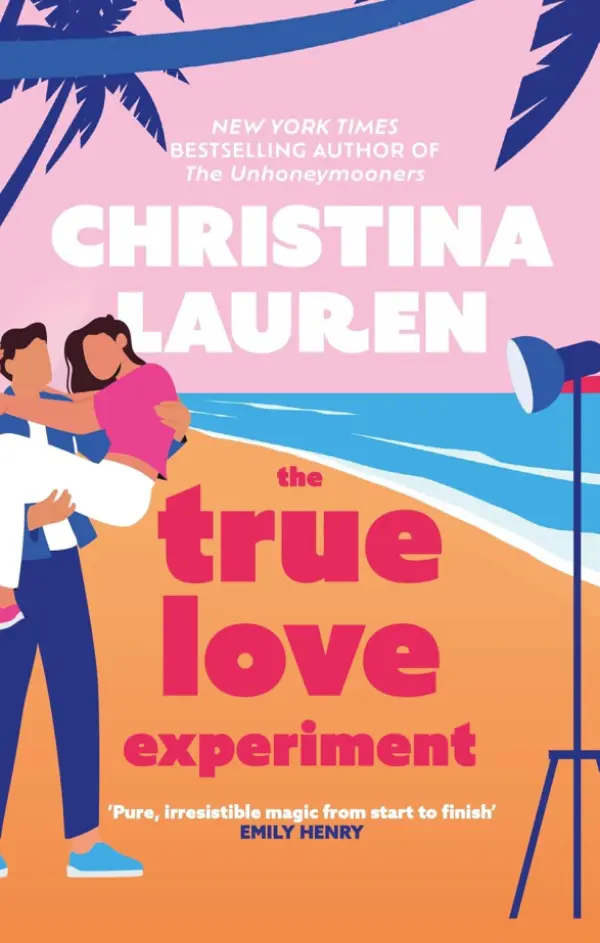
Christina Lauren
Average Goodreads rating4.1
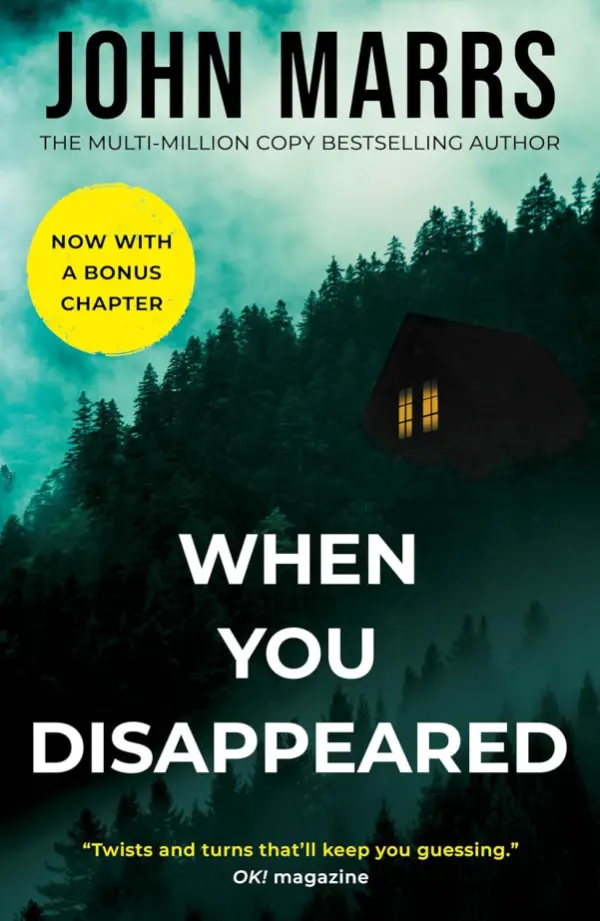
John Marrs
Average Goodreads rating3.9

Elsie Silver
Chestnut Springs, book 1
Average Goodreads rating4.3
Matched via its series

Elsie Silver
Chestnut Springs, book 2
Average Goodreads rating4.6
Matched via its series

Elsie Silver
Chestnut Springs, book 5
Average Goodreads rating4.4
Matched via its series

Elsie Silver
Chestnut Springs, book 3
Average Goodreads rating4.3
Matched via its series

Elsie Silver
Chestnut Springs, book 4
Average Goodreads rating4.5
Matched via its series
Tropes that share the most books with Single Parent
At its core, the single parent trope centres on a character raising a child — or children — alone, and the way that responsibility reshapes every aspect of their life, including who they let in. In romance, it's often the inciting tension: here is someone who has already loved deeply, lost something (or someone), and built a life around protecting what remains. The stakes are higher than they'd be for a character with no ties. Every decision carries weight beyond themselves.
It's a trope that resonates because it feels genuinely human. Readers recognise the exhaustion, the quiet heroism, the specific brand of love that asks nothing back. Whether the parent is widowed, divorced, or was always doing it alone, they arrive in the story already changed by experience. That depth is part of the appeal.
The best single parent stories don't treat the child as a plot device. The kid — or kids — have their own personality, their own needs, their own instinct about the new person circling their parent's life. Sometimes they're suspicious. Sometimes they're disarmingly open. Either way, the love interest has to earn a place in the whole family, not just the parent's heart. That two-layer courtship is what gives the trope its particular emotional texture.
There's also the question of guilt. Single parents in fiction often carry a deep reluctance to want something for themselves. Choosing to fall in love can feel like a betrayal — of a deceased partner, of a vow to put the children first, of a carefully constructed sense of identity as someone who doesn't need rescuing. Watching that armour come down, slowly and believably, is where the real satisfaction lives.
The trope splits in several directions depending on how the single-parent status came about. Widowed parents carry grief into new romance, which brings its own complications — the ghost of a past relationship, sometimes idealised, sometimes more complicated than it appeared. Divorced or separated parents often navigate co-parenting dynamics, which can complicate the central relationship in interesting ways, particularly if the ex remains present in the story.
Then there's the surprise-parent variation: a character who discovers they have a child they didn't know about, usually because the other parent made a decision to raise the child alone. This version tends to lean into shock and moral complexity rather than slow-burn longing. There's also the found-family adjacent version, where a character steps into a parental role for a child who isn't biologically theirs — a sibling's child, a ward, a child in crisis — and the romance develops around that unexpected guardianship.
Single parent stories tend to attract readers who want romantic leads with genuine stakes and a bit of life behind their eyes. These aren't characters whose biggest problem is whether to attend a ball. They're juggling school runs and heartbreak and the particular loneliness of lying awake in a house that used to hold more noise.
The trope also lends itself naturally to slow burns, because the parent can't just throw caution to the wind. Trust is earned in smaller moments — help with homework, patience during a tantrum, showing up when they said they would. By the time the relationship tips into something undeniable, the reader has watched it earn itself. That payoff, built over all those careful, ordinary scenes, is what makes single parent romance hit differently.
Occasional emails with new recommendations, series news and trope round-ups.