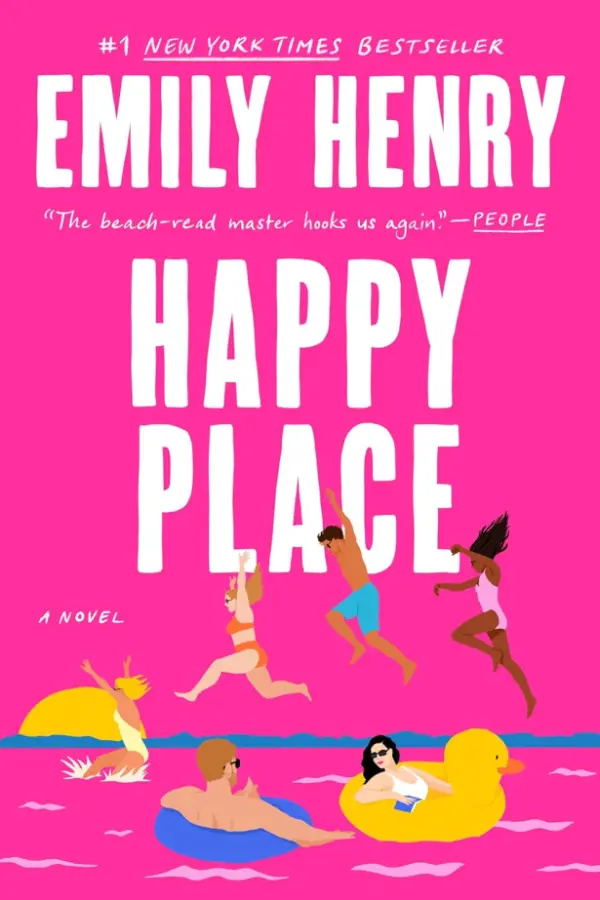
Happy Place
Emily Henry
Average Goodreads rating4.2
- Witty Banter & Sharp Dialogue
- Forced Proximity

Book trope · 16 books
Two people who once meant everything to each other find themselves standing in the same room again. History between them. Unfinished business.
More about the Second Chances trope3 are tagged with Second Chances individually. The others belong to a series tagged with it, which doesn’t mean every book in it features the trope, so they’re marked “Matched via its series”.
Updating books…
16 books found
Emily Henry
Average Goodreads rating4.2
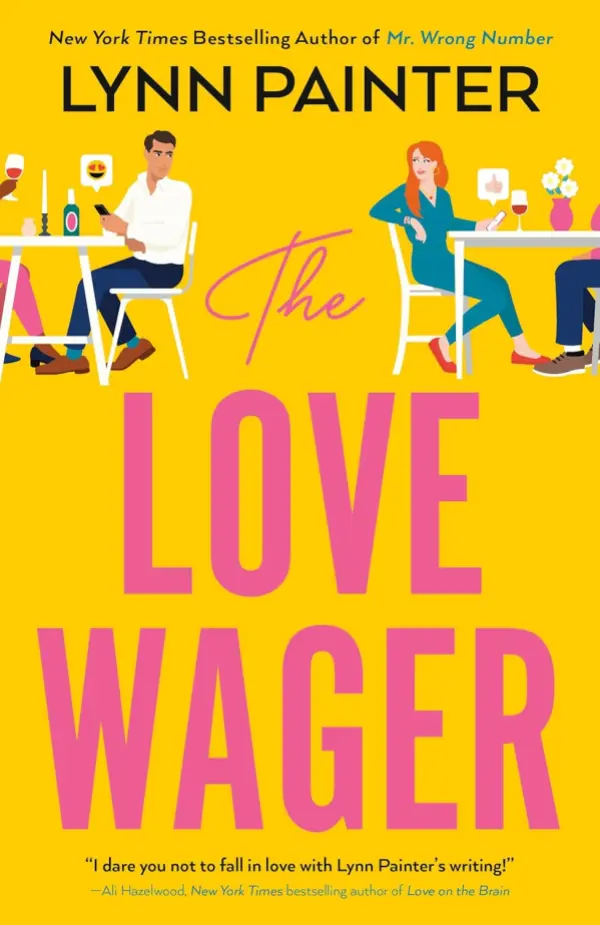
Lynn Painter
Average Goodreads rating3.9
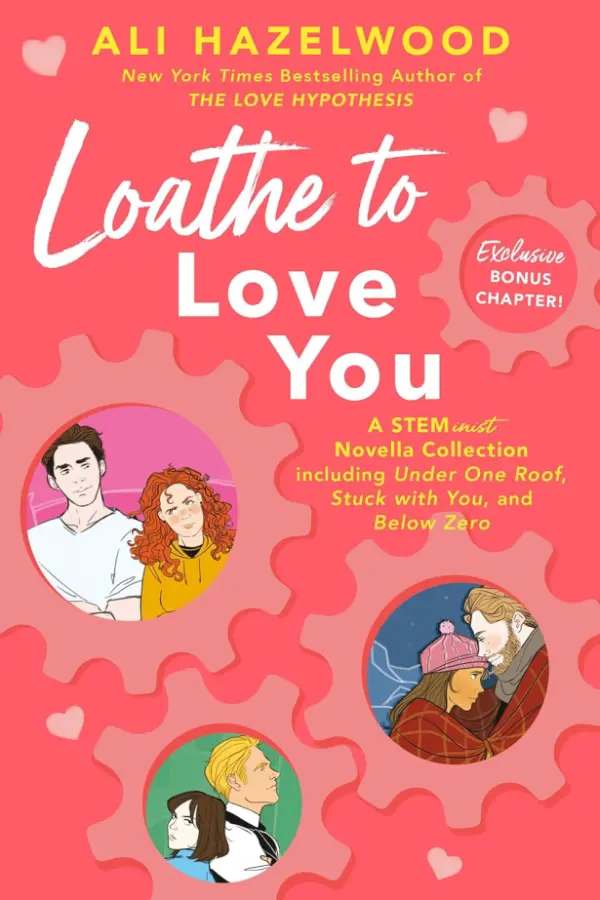
Ali Hazelwood
Average Goodreads rating3.8
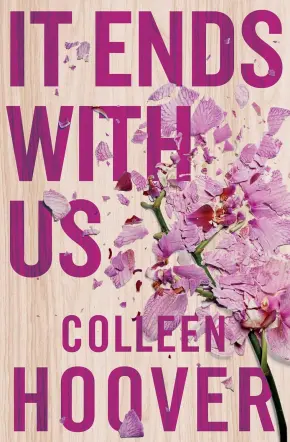
Colleen Hoover
It Ends with Us, book 1
Average Goodreads rating4.6
Matched via its series

Rebecca Yarros
Flight & Glory, book 1
Average Goodreads rating4.2
Matched via its series

Chloe Walsh
Carter Kids, book 1
Matched via its series
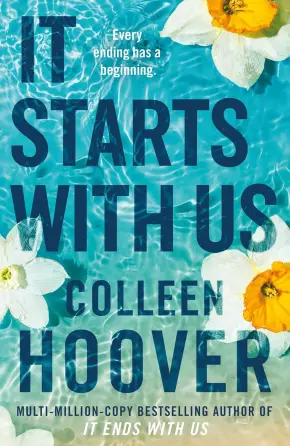
Colleen Hoover
It Ends with Us, book 2
Average Goodreads rating4.5
Matched via its series

Rebecca Yarros
Flight & Glory, book 2
Average Goodreads rating4.5
Matched via its series

Rebecca Yarros
Flight & Glory, book 3
Average Goodreads rating4.5
Matched via its series

Rebecca Yarros
Flight & Glory, book 5
Average Goodreads rating4.7
Matched via its series

Rebecca Yarros
Flight & Glory, book 4
Average Goodreads rating4.4
Matched via its series

Chloe Walsh
Carter Kids, book 6
Matched via its series

Chloe Walsh
Carter Kids, book 5
Matched via its series

Chloe Walsh
Carter Kids, book 3
Matched via its series

Chloe Walsh
Carter Kids, book 2
Matched via its series

Chloe Walsh
Carter Kids, book 4
Matched via its series
Tropes that share the most books with Second Chances
Two people who once meant everything to each other find themselves standing in the same room again. History between them. Unfinished business. The second chance trope is built on that particular electricity — the knowledge that something real existed before, and the question of whether it can exist again. Unlike enemies-to-lovers or strangers-to-sweethearts, this one carries weight from the very first page. Readers don't need to wait for the spark to develop. It's already there, complicated by time and whatever came between them.
The emotional pull is immediate and specific. There's grief folded into the reunion, often alongside longing and a fair amount of stubbornness. Characters who have spent years convincing themselves they've moved on tend to be very bad at actually moving on, and that tension is precisely what makes the trope so compelling.
At its core, second chance requires a shared past. That past can take many forms — a first love separated by circumstance, a relationship that ended badly, estranged friends who fell into something more, or a marriage that broke apart and is now tentatively being reassembled. The critical ingredient is that both characters carry the memory of what they were to each other, even when they'd rather not.
What characterises the trope most distinctively is the internal conflict. External obstacles are still present, but the real drama happens inside the characters' heads. Can you trust someone who hurt you? Can you admit you were also at fault? Vulnerability has to be earned twice over, and that double-earning is what gives second chance stories their particular emotional texture. The reunion scene is rarely triumphant straight away. Usually it's awkward, or painful, or both.
The forced proximity reunion is a favourite setup — a wedding, a family emergency, a small town neither character could quite leave behind. Suddenly the distance that kept things manageable has collapsed, and there's nowhere to hide. Another popular variation is the slow burn rebuild, where the two characters have to actively work to reconstruct trust rather than simply rediscover attraction. These stories tend to be more emotionally demanding and reward patient readers.
Some second chance stories play with the timeline, weaving between past and present so readers experience the original relationship falling apart at the same time as the reconciliation unfolds. The contrast can be devastating in the best possible way. There are also darker takes where the second chance is with something other than romance — a friendship, a family relationship, a sense of self — and the emotional stakes are no less high for the absence of a love interest.
There's something genuinely hopeful about the premise. The idea that a story doesn't have to end at its worst moment, that people can grow, reckon with their mistakes, and choose each other more deliberately the second time — that resonates beyond fiction. Second chance romance in particular tends to attract readers who want their happy endings earned rather than gifted, and who find unresolved history far more interesting than a clean slate.
The trope also allows writers to skip the early awkwardness of two strangers circling each other and get straight to the complicated, specific intimacy of people who once knew each other's worst habits. That shortcut to depth is part of the appeal. When it works, a second chance story doesn't just feel romantic. It feels true.
Occasional emails with new recommendations, series news and trope round-ups.