
Happily Never After
Lynn Painter
Average Goodreads rating3.7
- Witty Banter & Sharp Dialogue
- Slow-burn Romance

Book trope · 5 books
Two people who would never have chosen each other end up stuck working together anyway. That's the core of it. One might distrust the other, or actively dislike them.
More about the Reluctant Partnership tropeUpdating books…
5 books found
Lynn Painter
Average Goodreads rating3.7

John Marrs
Average Goodreads rating4.0

Jennifer L. Armentrout
Harbinger, book 1
Average Goodreads rating4.3
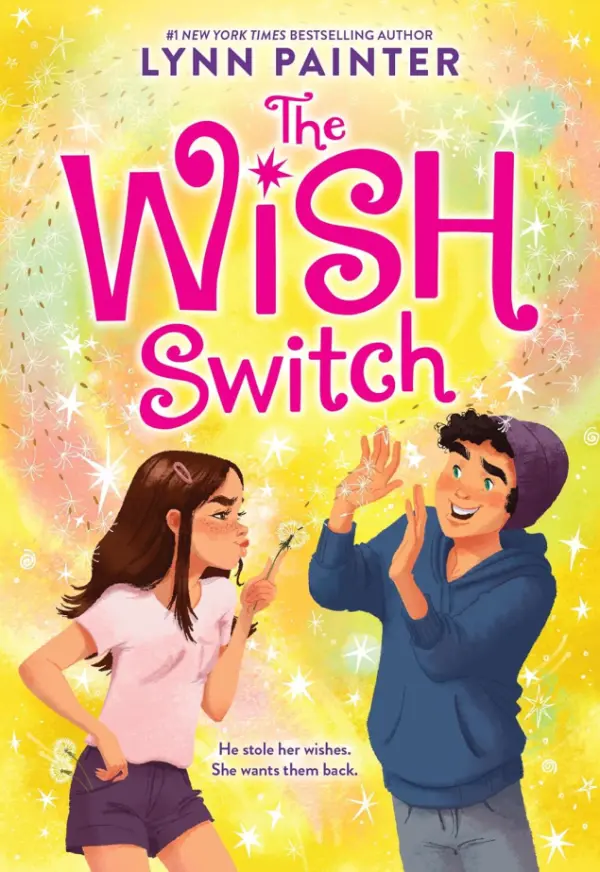
Lynn Painter
Average Goodreads rating3.7
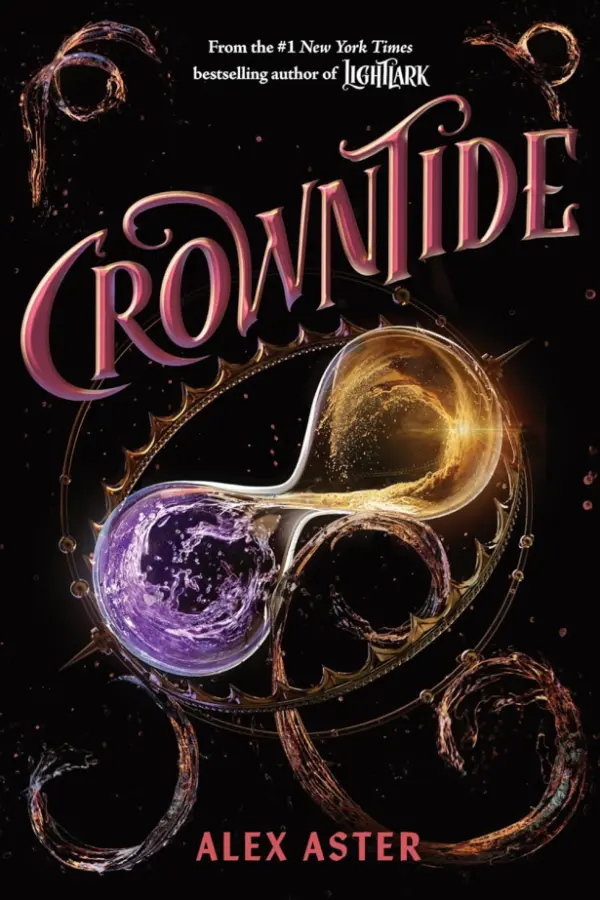
Alex Aster
Lightlark, book 4
Average Goodreads rating3.7
Tropes that share the most books with Reluctant Partnership
Two people who would never have chosen each other end up stuck working together anyway. That's the core of it. One might distrust the other, or actively dislike them. There may be a history, a professional rivalry, a clash of values, or simply a profound difference in how each of them moves through the world. Whatever the reason for the friction, circumstances — a shared enemy, a desperate mission, an unbreakable magical contract — make separation impossible.
Readers are drawn to this trope because the forced proximity means neither character can retreat into their comfortable assumptions. Every interaction is a small negotiation. Every moment of reluctant cooperation costs something, and that cost is exactly where the story lives.
The key ingredient isn't just dislike — it's meaningful dislike. The tension has to be rooted in something real. A lone wolf who resents relying on anyone. A rule-follower paired with someone who treats rules as suggestions. A hero teamed with a morally ambiguous figure whose methods they find reprehensible. When the incompatibility feels genuine, every crack in the resistance hits harder.
Equally important is the shift. At some point, competence earns grudging respect. A moment of vulnerability changes the dynamic. One character does something the other wasn't expecting, and the wall develops a crack. The partnership doesn't have to become friendship — though it often does — but something has to change, otherwise the story is just two people bickering without forward motion.
In fantasy, this trope frequently manifests as a binding agreement neither party wanted — a geas, a debt, or a prophecy that throws together figures from opposing factions. The magical stakes raise the cost of failure and make walking away impossible in a very literal sense.
In romance, the reluctant partnership is often the engine that drives the slow burn. Proximity without escape means feelings that can't be reasoned away. The very qualities that make someone irritating have an uncomfortable way of revealing themselves as the qualities that matter most.
There's also a darker variation where the partnership never fully resolves into warmth. The two characters remain uneasy allies — respecting each other's capability while never quite trusting the other's motives. This version tends to carry a satisfying moral complexity that's harder to shake once the story ends.
Character is revealed under pressure, and nothing applies pressure quite like being forced into close quarters with someone who challenges every assumption you hold about yourself. The reluctant partner becomes an involuntary mirror, reflecting back things the protagonist would rather not examine.
Stories built on this trope tend to earn their emotional moments because the groundwork is laid scene by scene, disagreement by disagreement. When the partnership finally solidifies — or fractures entirely — it feels inevitable in the best possible way. Two people who couldn't stand each other, discovering they couldn't do without each other either.
Occasional emails with new recommendations, series news and trope round-ups.