
Ultimate Cocky Fighter
Konrad Ryan
Ultimate Cocky Fighter, book 1
Average Goodreads rating4.2
Matched via its series

Book trope · 2 books
Parody is the art of loving mockery. It takes something familiar — a genre, a convention, a beloved fictional archetype — and holds it up to the light, exaggerating its quirks until they become the joke.
More about the Parody trope0 are tagged with Parody individually. The others belong to a series tagged with it, which doesn’t mean every book in it features the trope, so they’re marked “Matched via its series”.
Updating books…
2 books found
Konrad Ryan
Ultimate Cocky Fighter, book 1
Average Goodreads rating4.2
Matched via its series
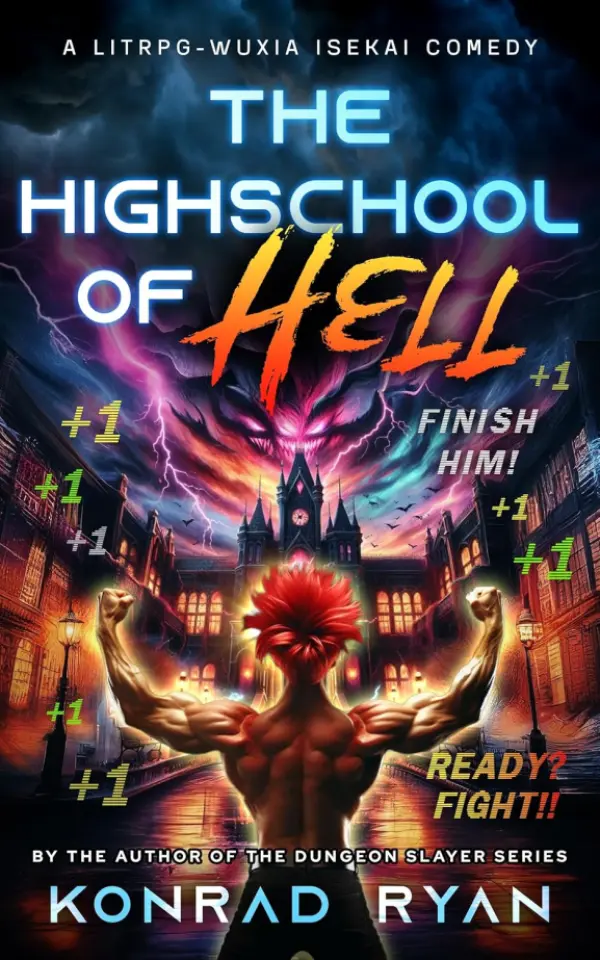
Konrad Ryan
Ultimate Cocky Fighter, book 2
Average Goodreads rating4.8
Matched via its series
Tropes that share the most books with Parody
Parody is the art of loving mockery. It takes something familiar — a genre, a convention, a beloved fictional archetype — and holds it up to the light, exaggerating its quirks until they become the joke. In fantasy and romance, parody doesn't tear down the things readers love. It celebrates them by knowing them deeply enough to poke fun.
A parody story winks at you. It knows you've read the Chosen One narrative a dozen times, that you can spot a brooding immortal love interest from the first page, that you've seen the plucky farm boy save the world before breakfast. It leans into that familiarity and then tips it sideways.
There's genuine pleasure in being in on the joke. Parody rewards genre literacy — the more you've read, the funnier it gets. A reader who's worked through shelves of epic fantasy or bodice-ripping historical romance will catch references that a newcomer simply won't, and that feeling of recognition is half the fun.
But good parody isn't just a string of nudges and winks. The best examples in fantasy and romance still deliver on the emotional beats. You laugh, yes, but you might also find yourself genuinely invested in the ridiculous hero's quest or the absurd enemies-to-lovers arc. The comedy and the heart aren't competing — they're working together.
Parody signals itself in different ways. Sometimes it's the prose voice — dry, arch, or gleefully over-the-top. Sometimes it's a premise that announces its intentions immediately: a prophecy everyone finds mildly inconvenient, a dark lord who's more bureaucrat than menace, a romance heroine who's acutely aware she's in a romance novel. Characters may lampshade their own tropes, or the plot may follow genre conventions so faithfully that the faithfulness itself becomes absurd.
The key distinction from satire is intent. Satire critiques. Parody affectionately mimics. Both can share a page — many of the sharpest parody novels have a satirical edge — but parody's primary mode is humour rather than social commentary.
In fantasy, parody most often targets epic or high fantasy conventions: prophecies, magical academies, quest structures, and the assorted furniture of secondary worlds. Comedic fantasy has a long and distinguished tradition in British fiction particularly, with a strong lineage of authors who built entire careers on this mode.
Romance parody tends to zoom in on specific subgenres — Regency, paranormal, or dark romance are frequent targets — and plays with the genre's more melodramatic conventions. The brooding hero who turns out to be staggeringly bad at brooding. The meet-cute that goes catastrophically wrong for reasons entirely avoidable. The grand gesture that nobody asked for.
Some parody is gentle and cosy; some is sharp enough to draw blood while still making you laugh. The range is enormous, which is part of what keeps the mode alive across generations of readers.
If a book makes you snort on the bus and then feel slightly embarrassed about it, parody is probably what you're holding.
Occasional emails with new recommendations, series news and trope round-ups.