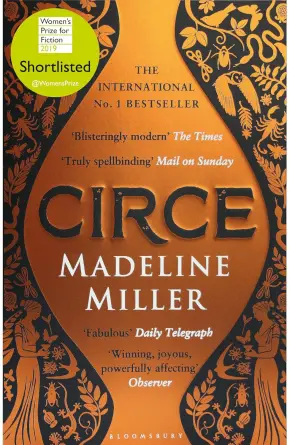
Circe
Madeline Miller
Average Goodreads rating4.5
- Morally Grey Characters
- Slow-burn Romance

Book trope · 12 books
The myths were never finished. They were handed down, reshaped, reinterpreted - each generation finding in them the meanings that their own moment required.
More about the Mythological Retelling trope2 are tagged with Mythological Retelling individually. The others belong to a series tagged with it, which doesn’t mean every book in it features the trope, so they’re marked “Matched via its series”.
Updating books…
12 books found
Madeline Miller
Average Goodreads rating4.5
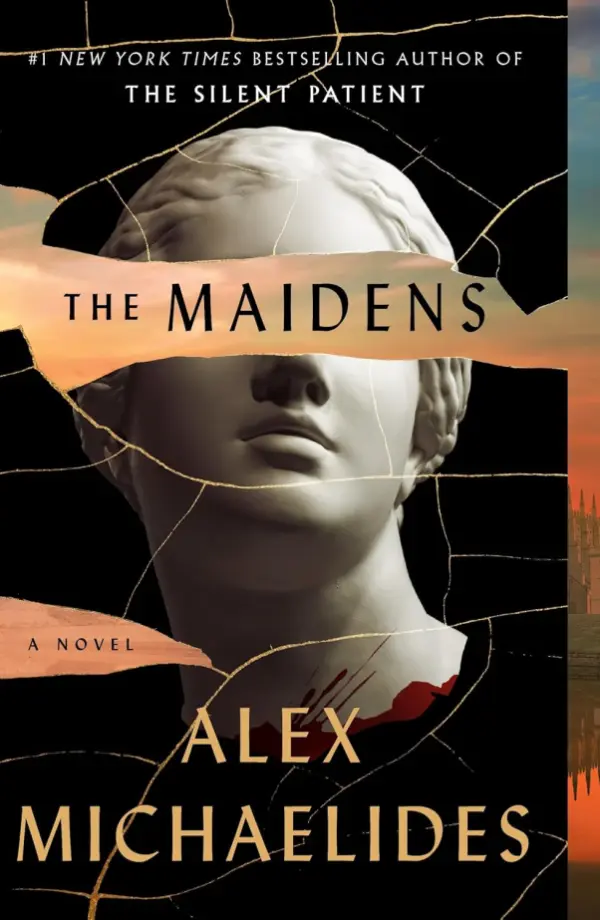
Alex Michaelides
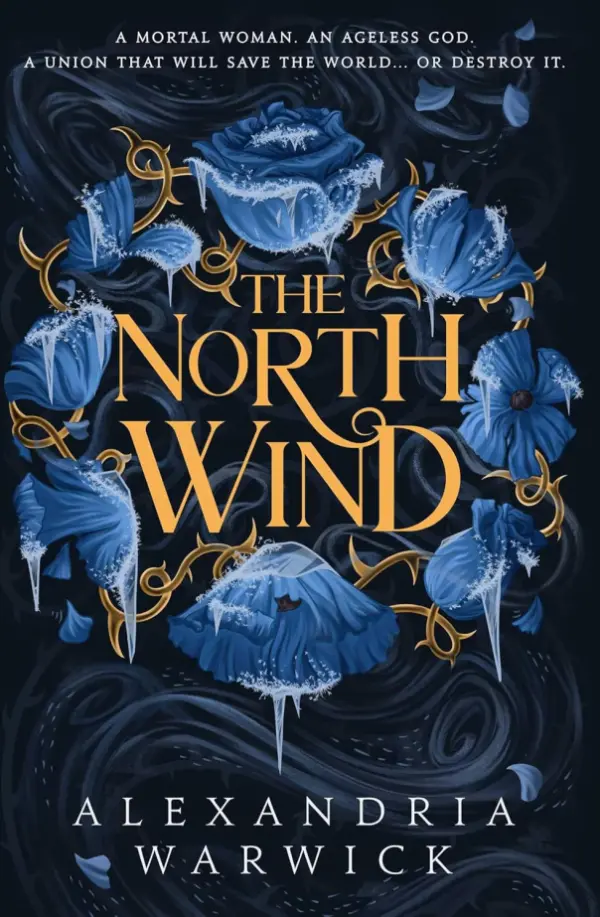
Alexandria Warwick
The Four Winds, book 1
Average Goodreads rating3.6
Matched via its series
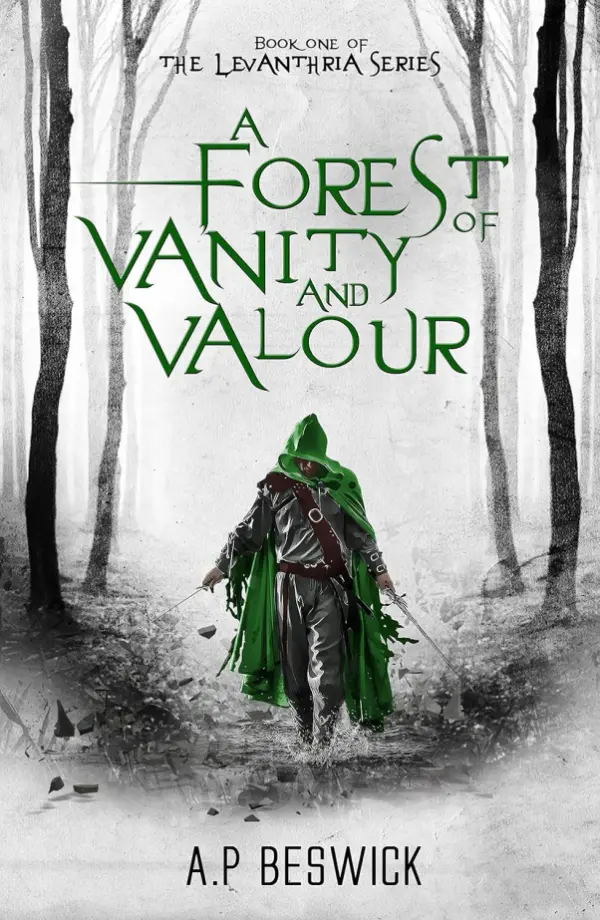
A. P. Beswick
The Levanthria Series, book 1
Average Goodreads rating3.9
Matched via its series
A. P. Beswick
The Levanthria Series, book 2
Average Goodreads rating3.9
Matched via its series
A. P. Beswick
The Levanthria Series, book 3
Average Goodreads rating4.1
Matched via its series
A. P. Beswick
The Levanthria Series, book 4
Average Goodreads rating4.2
Matched via its series
A. P. Beswick
The Levanthria Series, book 5
Average Goodreads rating4.4
Matched via its series
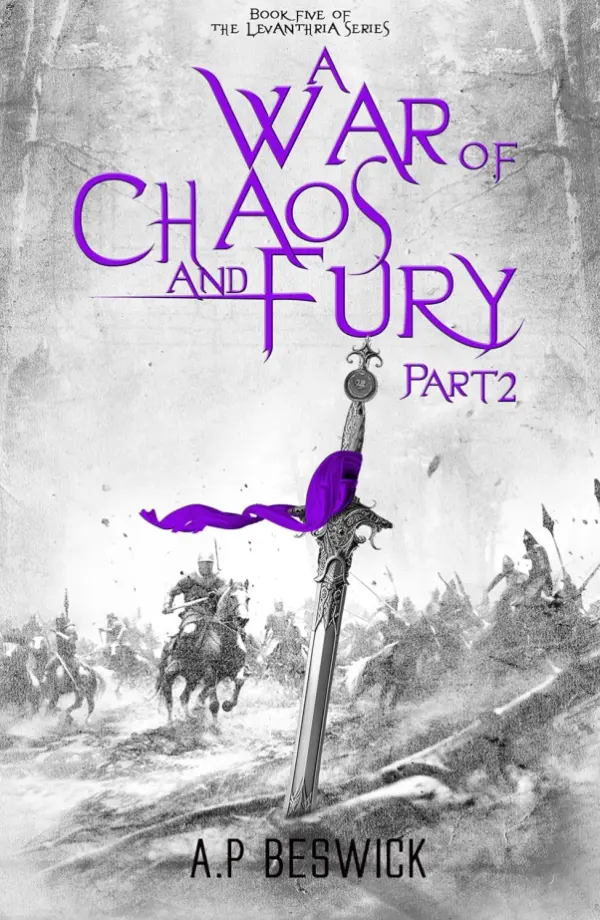
A. P. Beswick
The Levanthria Series, book 6
Average Goodreads rating4.4
Matched via its series
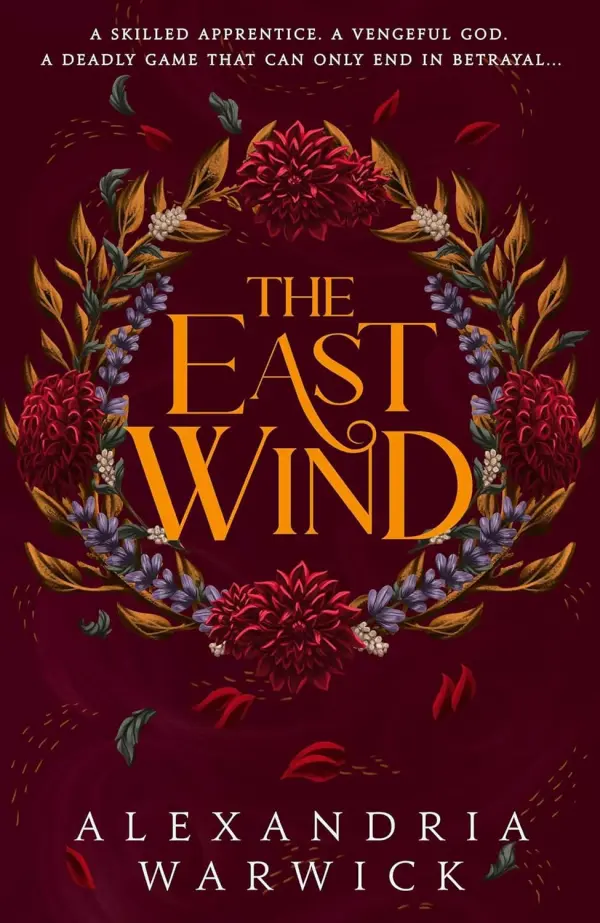
Alexandria Warwick
The Four Winds, book 4
Matched via its series
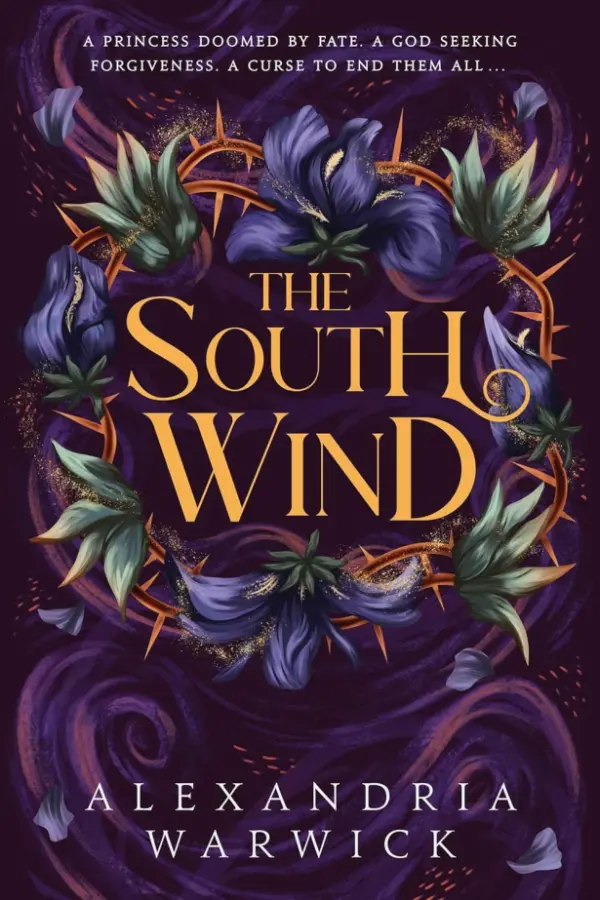
Alexandria Warwick
The Four Winds, book 3
Matched via its series
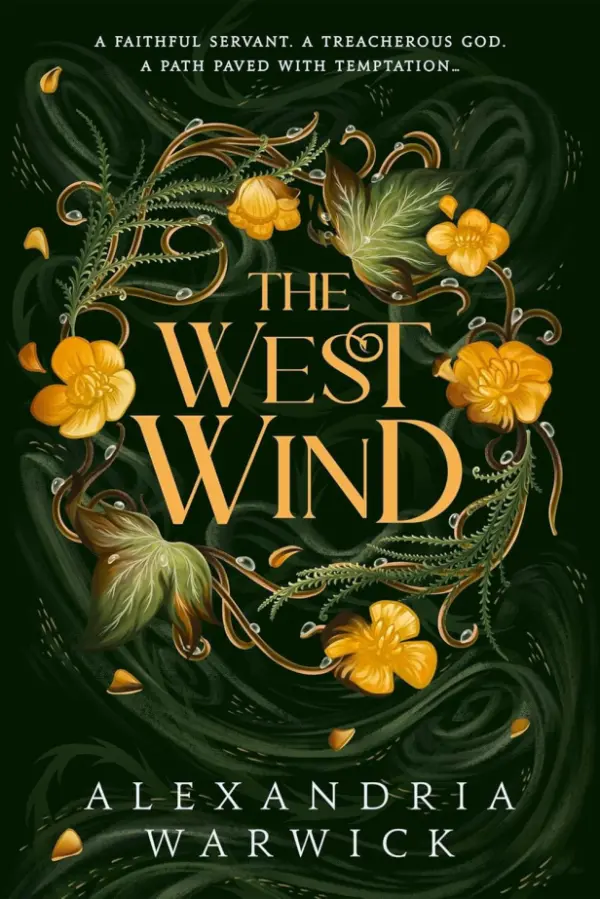
Alexandria Warwick
The Four Winds, book 2
Matched via its series
Tropes that share the most books with Mythological Retelling
The myths were never finished. They were handed down, reshaped, reinterpreted - each generation finding in them the meanings that their own moment required. The Mythological Retelling trope continues that tradition, taking stories that have existed for centuries or millennia and returning to them with fresh perspective, modern sensibility, or a deliberately different point of view. The source material is familiar. What the retelling does with it is the discovery. These are not simply old stories dressed in new clothes. At their best, they are arguments - about what the original got wrong, whose voice was missing, and what the myth looks like when the lens shifts.
A Mythological Retelling takes an existing myth, legend, or ancient story as its foundation and rebuilds it - faithfully or radically, reverently or critically - into something that stands as its own work of fiction. The source might be Greek, Roman, Norse, Egyptian, Arthurian, or drawn from any of the world's mythological traditions. What defines it is the deliberate, acknowledged relationship with the source material: the retelling is in conversation with what came before, and that conversation is part of the point. The author might preserve the broad shape of the original whilst reinventing character, motivation, or outcome. Or they might take a single peripheral figure from a famous myth and build an entirely new story from that neglected perspective.
Mythological Retellings offer a particular pleasure that is difficult to replicate elsewhere: the simultaneous experience of the familiar and the new. Readers who know the source material arrive with expectations - and part of the enjoyment is watching the author decide which of those expectations to honour and which to overturn. But even readers who come to the myth through the retelling rather than the other way around find something compelling here: the sense of depth, of a story that is connected to something much older and larger than itself. These books feel significant in a way that is hard to articulate but immediately recognisable. Myth carries weight. The retelling inherits it.
The most common structural move in this trope is the shift in perspective - taking a figure who was marginal, silent, or villainous in the original and placing them at the centre of the narrative. The monster given a voice. The woman reduced to a footnote in someone else's heroic journey given her own. The antagonist whose motives the original never bothered to examine. That shift does not simply add complexity to a familiar story; it actively reframes it, asking the reader to reconsider what they thought they already knew. Other retellings preserve the original perspective but change the context - transplanting the myth to a different era, culture, or genre, and watching what the collision produces.
The Mythological Retelling trope endures because the myths themselves endure - and because each new era finds different things in them worth questioning. The stories that have survived thousands of years did so because they contain something true about human experience. But they were also written by particular people, in particular places, with particular blind spots and assumptions that no longer go unexamined. Retellings are how a culture stays in conversation with its inherited stories rather than simply receiving them. They push back, reclaim, reimagine, and occasionally demolish - and in doing so, they keep the myths alive in the only way that actually matters: by insisting that they still have something new to say.
Occasional emails with new recommendations, series news and trope round-ups.