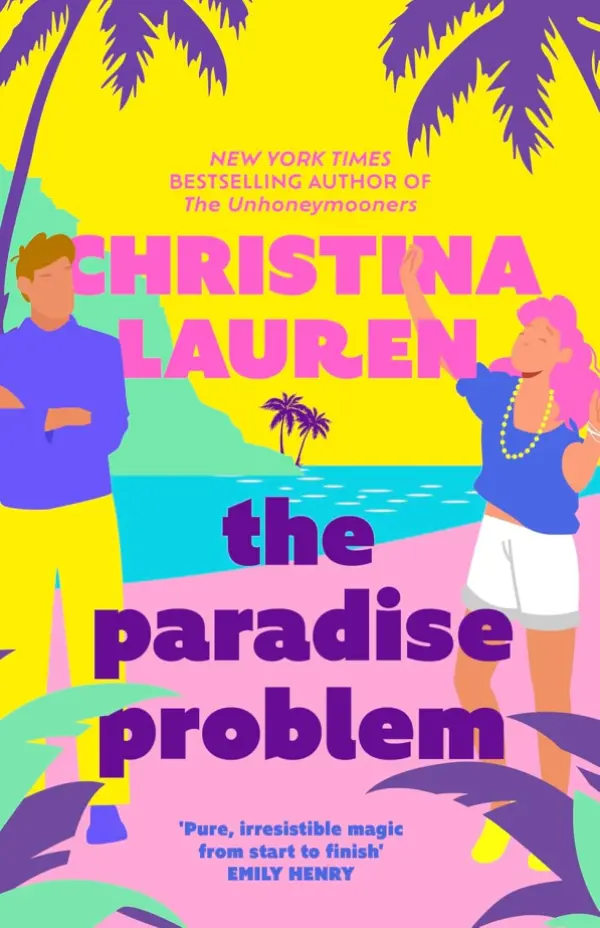
The Paradise Problem
Christina Lauren
Average Goodreads rating4.1
- Witty Banter & Sharp Dialogue
- Slow-burn Romance

Book trope · 14 books
Multiple perspectives — sometimes called multi-POV or ensemble narration — is a storytelling structure in which the narrative shifts between two or more characters' points of view across a book or series.
More about the Multiple Perspectives trope9 are tagged with Multiple Perspectives individually. The others belong to a series tagged with it, which doesn’t mean every book in it features the trope, so they’re marked “Matched via its series”.
Updating books…
14 books found
Christina Lauren
Average Goodreads rating4.1
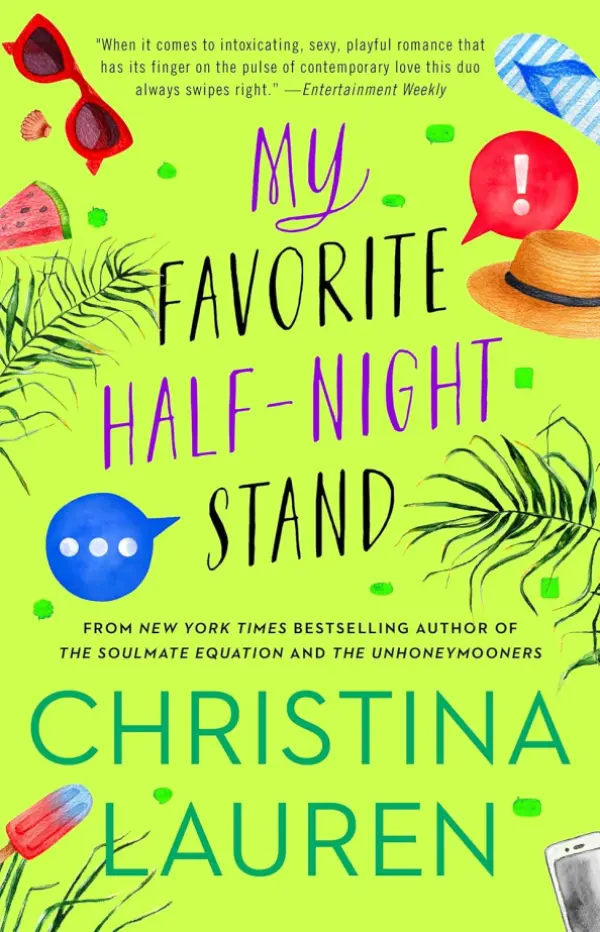
Christina Lauren
Average Goodreads rating3.7
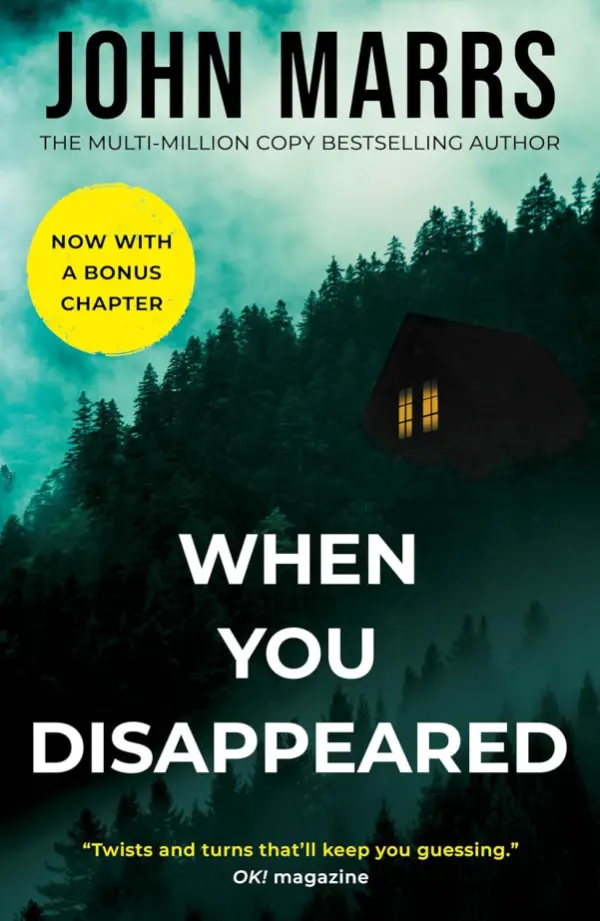
John Marrs
Average Goodreads rating3.9
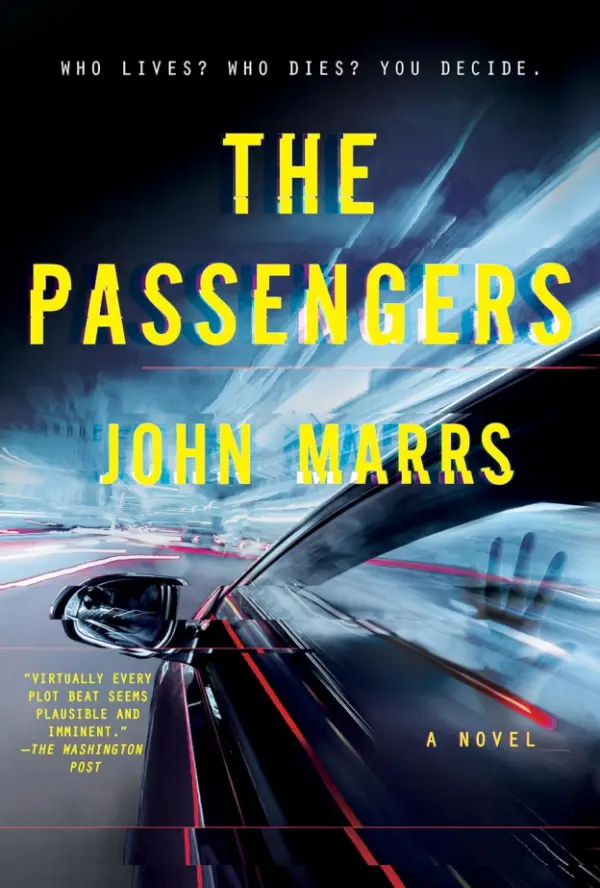
John Marrs
Average Goodreads rating4.1
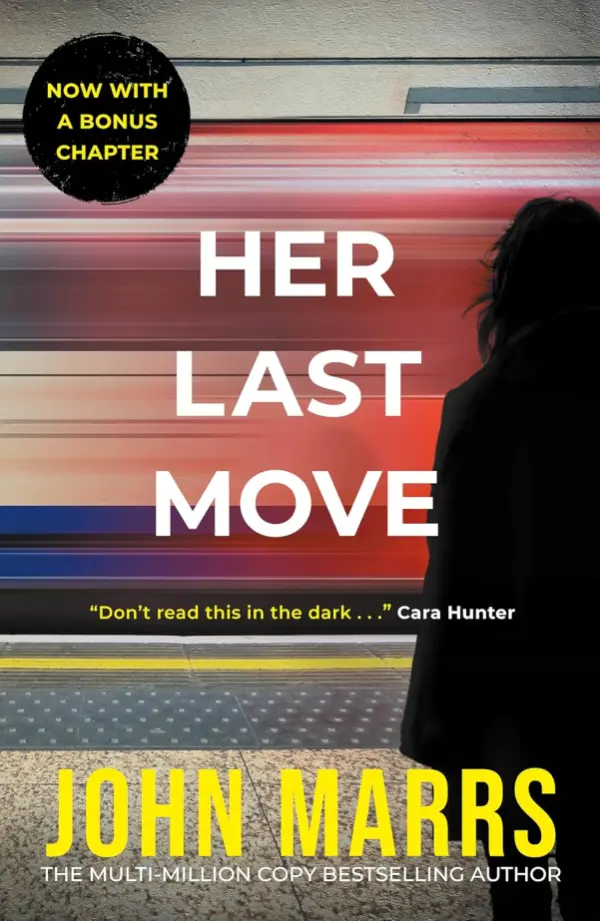
John Marrs
Average Goodreads rating4.0

Ken Liu
The Dandelion Dynasty, book 1
Average Goodreads rating4.2

Ken Liu
The Dandelion Dynasty, book 4
Average Goodreads rating4.6

Ken Liu
The Dandelion Dynasty, book 3
Average Goodreads rating4.4

Ken Liu
The Dandelion Dynasty, book 2
Average Goodreads rating4.5

Brandon Sanderson
The Stormlight Archive, book 1
Average Goodreads rating4.7
Matched via its series

Brandon Sanderson
The Stormlight Archive, book 3
Average Goodreads rating4.7
Matched via its series

Brandon Sanderson
The Stormlight Archive, book 4
Average Goodreads rating4.7
Matched via its series

Brandon Sanderson
The Stormlight Archive, book 5
Average Goodreads rating4.7
Matched via its series

Brandon Sanderson
The Stormlight Archive, book 2
Average Goodreads rating4.8
Matched via its series
Tropes that share the most books with Multiple Perspectives
Multiple perspectives — sometimes called multi-POV or ensemble narration — is a storytelling structure in which the narrative shifts between two or more characters' points of view across a book or series. Rather than following a single protagonist through every scene, the reader inhabits different minds, each with their own voice, priorities, and blind spots. The effect is something closer to a mosaic than a portrait: the full picture only assembles itself as the pieces accumulate.
It's one of the most commonly requested structural features among fantasy and romance readers, and for good reason. When it works, it creates a kind of dramatic irony that a single-POV story simply can't. You watch two characters misread each other in real time. You know what one character is hiding before the other does. The tension isn't just in what happens — it's in the gap between what each character believes is happening.
Part of the appeal is intimacy, paradoxically. Spending chapters inside a character's head — their anxieties, their justifications, their particular way of noticing the world — builds an attachment that pure action or dialogue can't replicate. Multiple perspectives multiplies that effect. Readers who finish a well-executed multi-POV novel often find they've grown genuinely fond of characters who started out as obstacles or antagonists, simply because they eventually understood them from the inside.
In romance, switching between the two love interests is especially potent. Watching one character fall while the other is still in denial, or seeing how differently each person interprets the same charged moment, can be almost unbearably satisfying. The reader holds the full emotional picture when neither character yet does.
In epic fantasy, multiple perspectives are practically standard. Large-scale conflicts need multiple vantage points — the general, the foot soldier, the court schemer — and world-building lands more naturally when filtered through characters with genuinely different relationships to the setting. The structure also allows authors to handle sprawling casts without losing track of anyone important.
Dual-POV romance is a distinct and enormously popular variant. Here, the perspective count is usually limited to just the two leads, keeping the emotional focus tight while allowing readers to witness both sides of the growing attraction. Some books extend this to three or four voices, particularly in series with ensemble casts or slow-burn group dynamics. Others experiment with form — alternating chapters, sections divided by character name, or even present-day and past timelines given to different narrators.
The trope lives or dies on differentiation. If every POV character sounds and thinks like the same person, the structure becomes a gimmick rather than a feature. The best multi-POV writers give each voice its own rhythm, its own preoccupations, its own way of being wrong about things. A chapter break that shifts the reader into a new perspective should feel like stepping into a different room — same world, different light.
Pacing matters too. Cutting away from a tense scene to another character's entirely separate thread can frustrate readers if done carelessly. But handled well, that shift builds suspense rather than breaking it, leaving the reader straining to return to where they were left. Multiple perspectives, at its best, doesn't just tell a bigger story — it makes you feel the size of it.
Occasional emails with new recommendations, series news and trope round-ups.