
Getting Away with Murder
Shari Lapena
- Morally Grey Characters
- Deception

Book trope · 9 books
A character begins the story with a fixed view of the world — a worldview that's convenient for them, or simply all they've ever known. Then something cracks it open.
More about the Moral Awakening trope1 is tagged with Moral Awakening individually. The others belong to a series tagged with it, which doesn’t mean every book in it features the trope, so they’re marked “Matched via its series”.
Updating books…
9 books found
Shari Lapena
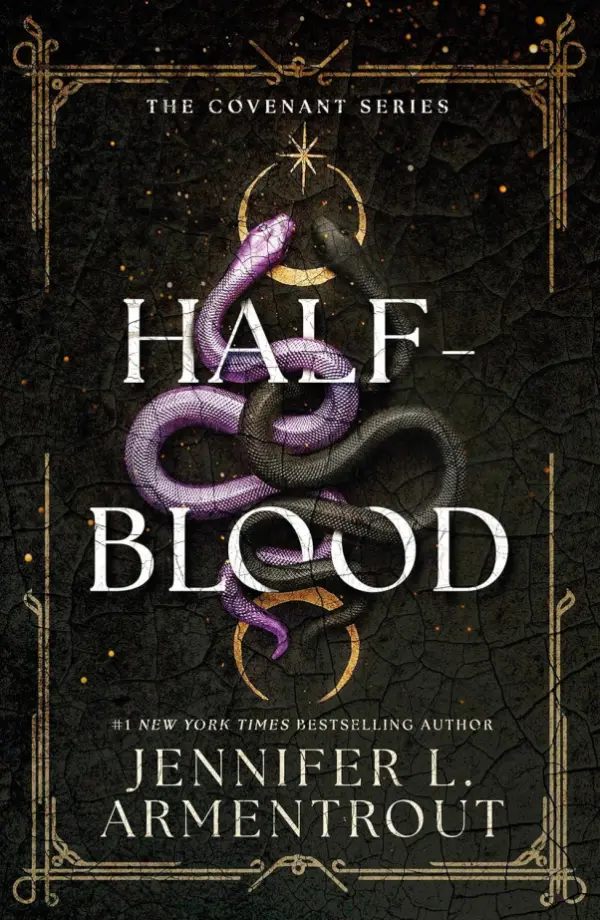
Jennifer L. Armentrout
Covenant, book 1
Average Goodreads rating4.1
Matched via its series

Neal Shusterman
Arc of a Scythe, book 1
Average Goodreads rating4.5
Matched via its series

Jennifer L. Armentrout
Covenant, book 2
Average Goodreads rating4.1
Matched via its series

Jennifer L. Armentrout
Covenant, book 3
Average Goodreads rating4.2
Matched via its series
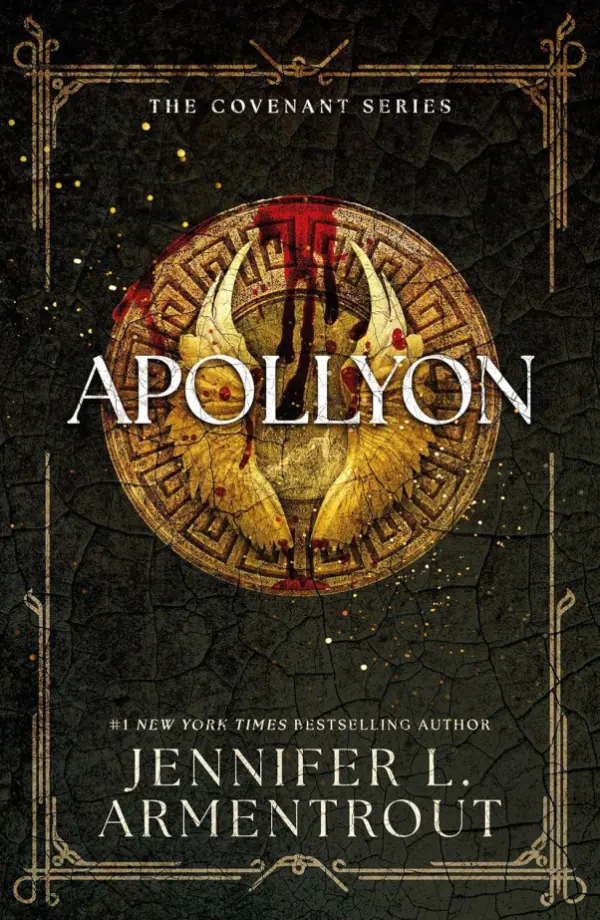
Jennifer L. Armentrout
Covenant, book 4
Average Goodreads rating4.3
Matched via its series

Jennifer L. Armentrout
Covenant, book 5
Average Goodreads rating4.4
Matched via its series

Neal Shusterman
Arc of a Scythe, book 3
Average Goodreads rating4.6
Matched via its series

Neal Shusterman
Arc of a Scythe, book 2
Average Goodreads rating4.6
Matched via its series
Tropes that share the most books with Moral Awakening
A character begins the story with a fixed view of the world — a worldview that's convenient for them, or simply all they've ever known. Then something cracks it open. The moral awakening trope follows a protagonist (or occasionally a supporting character) as they realise, often painfully, that what they believed to be right, just, or normal is something far more complicated. It's not a villain turning good in a flash of convenient conscience. It's slower than that. Messier. And that's precisely why readers find it so compelling.
Unlike a redemption arc, which asks whether a character can be forgiven, moral awakening asks a different question: what does it mean to see clearly for the first time? The character may not have been wicked. They may have simply been complicit, unquestioning, or sheltered. The trope rewards that nuance.
The shift rarely arrives as a single thunderbolt. More often it accumulates — a conversation that doesn't sit right, a person who refuses to fit into the category they've been assigned, evidence that the institutions or beliefs the character trusted have been lying. The emotional core tends to be discomfort before clarity: a creeping wrongness that the character tries, at first, to explain away.
What makes the trope land is how much the character has at stake in not changing. Someone who has built their identity, their relationships, or their entire social standing on a particular moral framework faces genuine loss when that framework collapses. The best versions of this trope don't let characters off easily. Awakening means reckoning — with past choices, with people they may have harmed, with the version of themselves they can no longer be.
In fantasy, moral awakening often plays out against systems of power. A soldier questions the wars they've fought. A mage raised within a rigid order starts to see who the order actually serves. A noble heir confronts what their family's wealth is built on. The genre's distance from reality gives authors room to make structural injustice vivid and legible without being didactic — which is one reason the trope thrives here.
In romance, the awakening tends to be more intimate. A character who has dismissed or avoided certain people, feelings, or vulnerabilities is slowly undone by proximity to someone who challenges those defences. The love interest often acts as a mirror, not by lecturing, but simply by being themselves. The romantic tension and the moral shift frequently move in tandem — which is what gives these stories their particular charge.
There's also a darker variant worth noting: the failed awakening, where a character glimpses the truth and chooses not to follow it. Used well, this can be devastatingly effective, turning the trope inside out.
Stories built around moral awakening tend to stay with readers longer than most. There's something that feels genuinely useful about watching a character navigate the gap between who they were and who they're becoming — not because it provides easy answers, but because it validates how hard that process actually is. Changing your mind, especially about something central to your sense of self, is one of the braver things a person can do.
The best examples in fantasy and romance never let the awakening feel cheap. They earn it, page by page. And when it finally comes, it hits like something true.
Occasional emails with new recommendations, series news and trope round-ups.