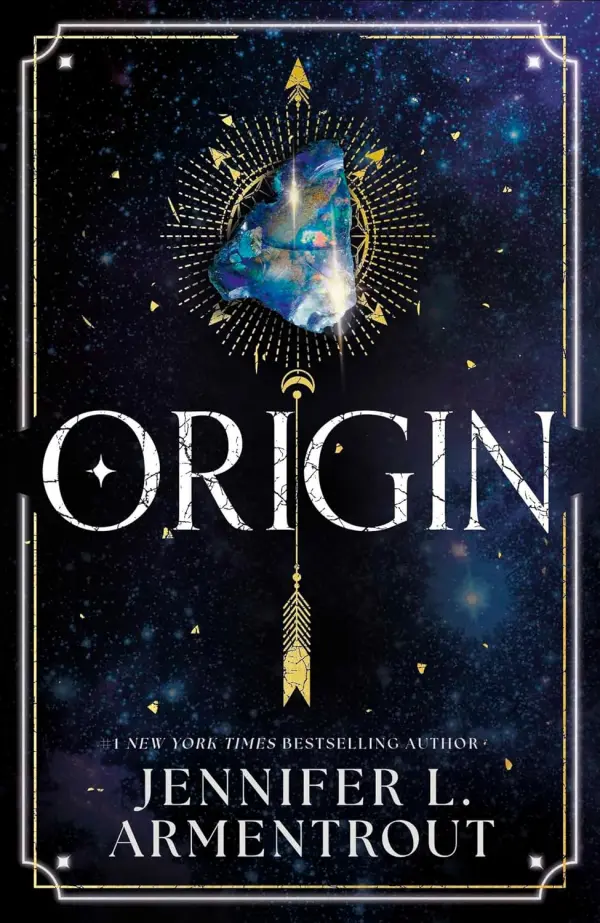
Origin
Jennifer L. Armentrout
Lux, book 4
Average Goodreads rating4.3
- Political Conspiracy & Corruption
- Survival and Resilience

Book trope · 4 books
At its core, this trope places a character at a crossroads so fundamental it cuts to the very bones of who they are: do you protect yourself, or do you risk everything for someone else?
More about the Love vs Self-Preservation trope2 are tagged with Love vs Self-Preservation individually. The others belong to a series tagged with it, which doesn’t mean every book in it features the trope, so they’re marked “Matched via its series”.
Updating books…
4 books found
Jennifer L. Armentrout
Lux, book 4
Average Goodreads rating4.3
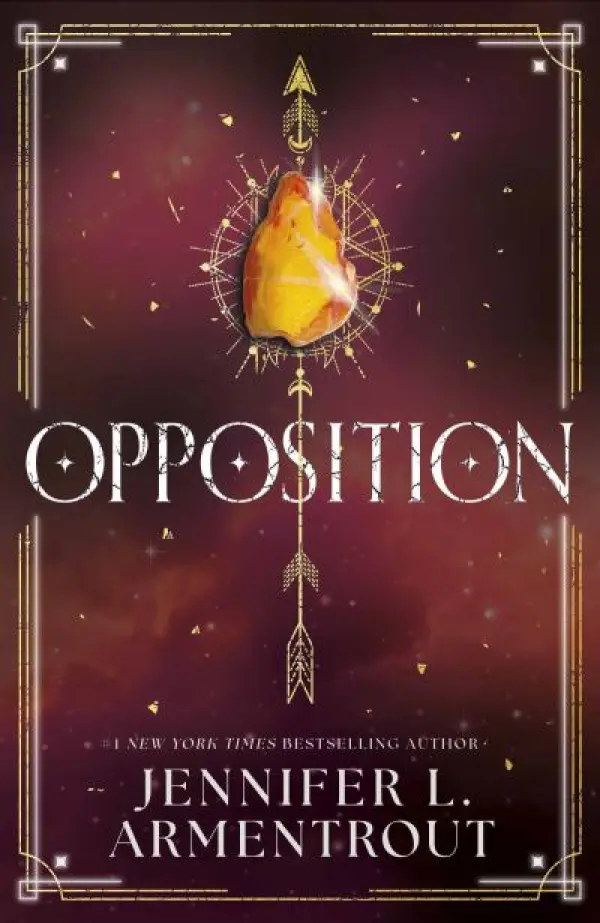
Jennifer L. Armentrout
Lux, book 5
Average Goodreads rating4.2
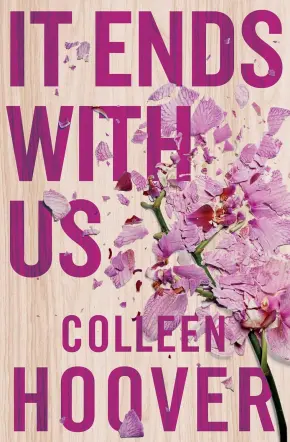
Colleen Hoover
It Ends with Us, book 1
Average Goodreads rating4.6
Matched via its series
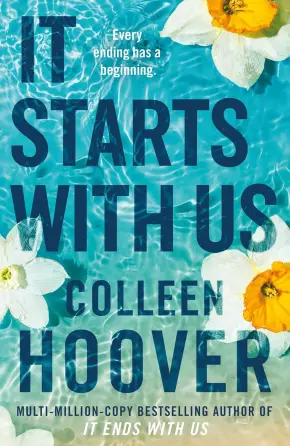
Colleen Hoover
It Ends with Us, book 2
Average Goodreads rating4.5
Matched via its series
Tropes that share the most books with Love vs Self-Preservation
At its core, this trope places a character at a crossroads so fundamental it cuts to the very bones of who they are: do you protect yourself, or do you risk everything for someone else? The tension isn't simply romantic, though romance is often where it burns brightest. It's a question about survival instinct against emotional truth, and the friction between those two forces is what makes this trope compulsive reading.
Characters who carry this conflict have usually earned their self-protective instincts honestly. Past trauma, betrayal, or hard-won lessons have taught them that opening up leads to damage. Loving someone, or allowing someone to love you, becomes the most dangerous thing imaginable. The drama comes not from external threats but from internal ones — the slow, agonising process of choosing vulnerability when every nerve is screaming retreat.
There's something deeply relatable about a character who knows loving someone is a risk and does it anyway. Or struggles not to. Most readers have experienced some version of self-protective numbness, that instinct to keep the walls up because the last time they came down it cost too much. Seeing that internal battle dramatised and given space on the page is cathartic in a way that more straightforward romances sometimes aren't.
The stakes feel real because they're inward-facing. A character choosing love over self-preservation isn't necessarily leaping off a cliff for someone — sometimes it's quieter and harder than that. Sending the message. Saying the true thing. Staying when leaving would be so much easier. Those small surrenders can carry as much weight as any grand gesture.
This conflict appears across fantasy, paranormal romance, dark romance, and contemporary, though fantasy tends to dial up the literal danger until self-preservation becomes a matter of actual survival, not just emotional safety. When a character's love interest poses a genuine physical threat — because of magic, faction allegiance, or monstrous nature — the metaphor and the reality collapse into each other in particularly satisfying ways.
Common variations include the character who refuses love outright, convincing themselves they're incapable of it; the one who falls but engineers reasons to push the other person away; and the one who fully understands the cost, accepts it with open eyes, and loves anyway, which is often the most devastating version. The trope also pairs naturally with enemies-to-lovers, forced proximity, and trauma recovery arcs, since each of those contexts already has characters operating under pressure.
What distinguishes a well-executed version of this trope from a less satisfying one is interiority. Readers need to believe in the character's reasoning — their reluctance has to feel earned and coherent, not manufactured for the sake of angst. When an author takes the time to show exactly what self-preservation has cost the character, and what giving it up might cost them further, the payoff lands with real force.
Because ultimately, this trope isn't about the person being chosen. It's about the person doing the choosing, and whether they trust themselves — and someone else — enough to be worth the risk. That's the question hanging over every page, and it's one of the most human questions fiction knows how to ask.
Occasional emails with new recommendations, series news and trope round-ups.