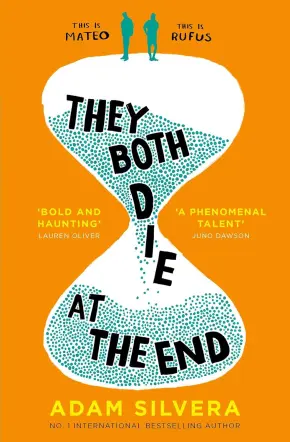
They Both Die at the End
Adam Silvera
They Both Die at the End, book 1
Average Goodreads rating4.5
Matched via its series

Book trope · 3 books
Some stories hand you a map before the journey begins. The 'Knowing the End' trope refers to narratives where a character — or sometimes the reader — learns early on how the story concludes.
More about the Knowing the End trope0 are tagged with Knowing the End individually. The others belong to a series tagged with it, which doesn’t mean every book in it features the trope, so they’re marked “Matched via its series”.
Updating books…
3 books found
Adam Silvera
They Both Die at the End, book 1
Average Goodreads rating4.5
Matched via its series
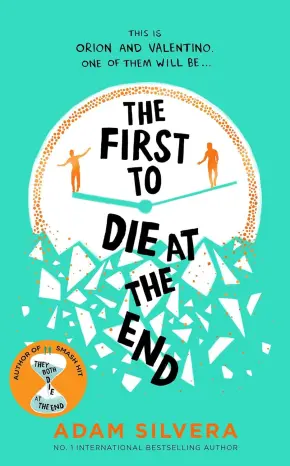
Adam Silvera
They Both Die at the End, book 2
Average Goodreads rating4.6
Matched via its series
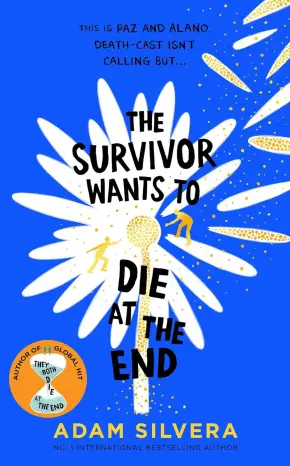
Adam Silvera
They Both Die at the End, book 3
Average Goodreads rating4.6
Matched via its series
Tropes that share the most books with Knowing the End
Some stories hand you a map before the journey begins. The 'Knowing the End' trope refers to narratives where a character — or sometimes the reader — learns early on how the story concludes. A prophecy names the fallen hero. A vision shows the city in ruins. A letter arrives from the future. The destination is fixed. What remains is the road, and the question of whether the ending can be changed, accepted, or merely survived.
It's a structurally bold choice, and readers tend to either love it instantly or take a chapter or two to trust it. Once they do, they're hooked.
There's a particular kind of tension that comes not from mystery but from dread and anticipation working together. When you know a beloved character is fated to fall, every warm scene between them becomes bittersweet. Every narrow escape feels borrowed. The emotional stakes don't drop because the ending is revealed — they rise, often sharply, because readers become invested in the how and the why rather than the what.
This trope also rewards re-reads in a way that few others do. Details that seemed incidental the first time become loaded with significance once the ending is known. Foreshadowing lands harder. Small choices carry enormous weight in retrospect.
The trope takes several distinct shapes. In prophecy-driven fantasy, a foretold ending looms over the entire cast, and characters spend the narrative either racing towards it or desperately trying to outrun it. In time-loop or time-travel stories, a character may witness their own future and must decide whether to honour it or fight it. Some narratives open with the ending outright — a prologue set after the dust has settled — and then unspool the events that led there, trusting the journey itself to carry the emotional charge.
There's also the subtler variation: a character who carries the foreknowledge alone. Perhaps they've seen a vision, read a prophecy, or simply know something the others don't. The dramatic irony this creates — watching other characters remain hopeful while one carries quiet certainty — can be quietly devastating.
In romance, the trope often appears as a guaranteed happy ending held up against seemingly impossible odds. The reader knows these two will find each other; the pleasure lies entirely in watching the obstacles fall away, or refuse to.
What makes this trope endure across fantasy, romance, and speculative fiction alike is the philosophical weight it quietly carries. Knowing the end forces both characters and readers to sit with a fundamental question: does it matter how we get there? Does choice retain meaning if the outcome is already written? The best stories using this device don't answer that question neatly. They make you feel the full cost of the journey, even when — perhaps especially when — you can already see where it leads.
An ending you know is coming can still break your heart. That's the whole point.
Occasional emails with new recommendations, series news and trope round-ups.