
Love and Other Words
Christina Lauren
Average Goodreads rating4.2
- Coming of Age
- Slow-burn Romance

Book trope · 22 books
Some characters walk into a story with their walls already built. The guarded protagonist is defined not by what they say, but by what they refuse to — the deflecting humour, the carefully maintained distance, the way they'll do anything to avoid a sincere conversation.
More about the Guarded Protagonists trope9 are tagged with Guarded Protagonists individually. The others belong to a series tagged with it, which doesn’t mean every book in it features the trope, so they’re marked “Matched via its series”.
Updating books…
22 books found
Christina Lauren
Average Goodreads rating4.2

Elena Armas
Average Goodreads rating3.8

Elena Armas
Average Goodreads rating3.8
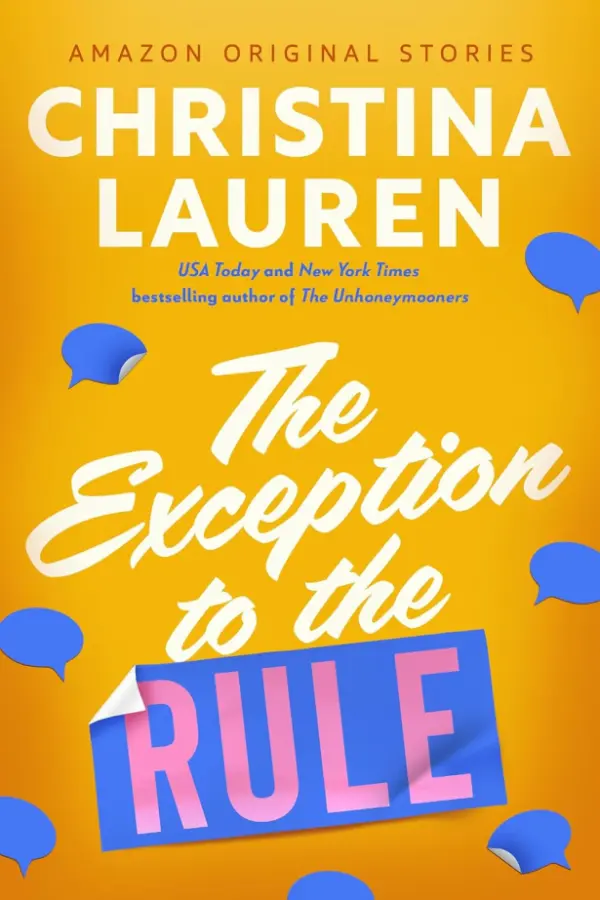
Christina Lauren
Average Goodreads rating4.2

Christina Lauren
Average Goodreads rating3.6
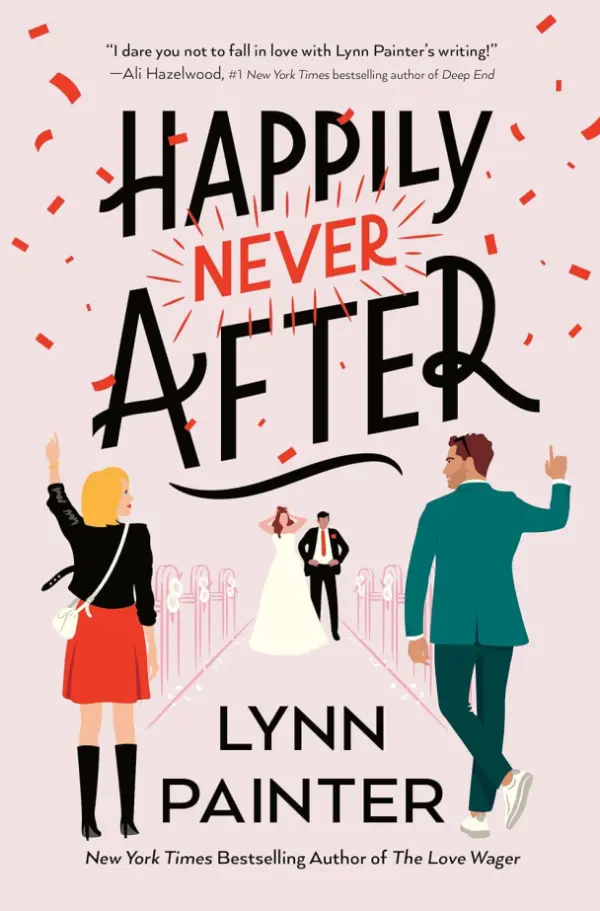
Lynn Painter
Average Goodreads rating3.7
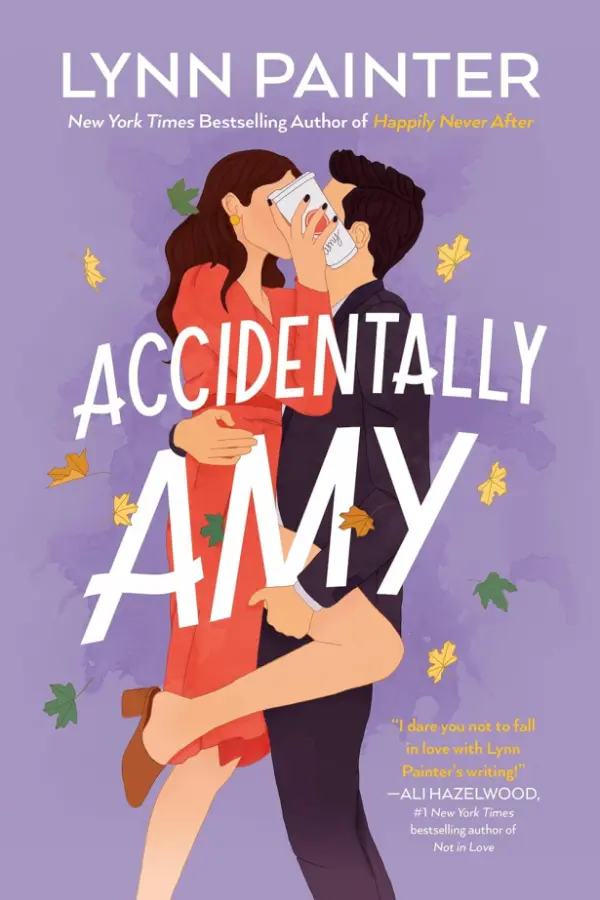
Lynn Painter
Average Goodreads rating3.5

Lynn Painter
Average Goodreads rating4.5

Christina Lauren

Christina Lauren
Beautiful, book 1
Average Goodreads rating3.9
Matched via its series

Rebecca Yarros
The Renegades, book 1
Average Goodreads rating4.1
Matched via its series

Christina Lauren
Beautiful, book 2
Average Goodreads rating4.1
Matched via its series

Christina Lauren
Beautiful, book 5
Average Goodreads rating4.2
Matched via its series

Christina Lauren
Beautiful, book 3
Average Goodreads rating3.8
Matched via its series

Christina Lauren
Beautiful, book 8
Average Goodreads rating4.0
Matched via its series

Christina Lauren
Beautiful, book 4
Average Goodreads rating3.9
Matched via its series

Christina Lauren
Beautiful, book 6
Average Goodreads rating4.1
Matched via its series

Christina Lauren
Beautiful, book 10
Average Goodreads rating4.1
Matched via its series

Christina Lauren
Beautiful, book 7
Average Goodreads rating4.0
Matched via its series

Christina Lauren
Beautiful, book 9
Average Goodreads rating3.9
Matched via its series

Rebecca Yarros
The Renegades, book 2
Average Goodreads rating4.2
Matched via its series

Rebecca Yarros
The Renegades, book 3
Average Goodreads rating4.5
Matched via its series
Tropes that share the most books with Guarded Protagonists
Some characters walk into a story with their walls already built. The guarded protagonist is defined not by what they say, but by what they refuse to — the deflecting humour, the carefully maintained distance, the way they'll do anything to avoid a sincere conversation. They're competent, often magnetic, and frequently the most compelling person in the room. They're also, beneath all of that, running from something.
This trope centres on a character who has closed themselves off emotionally, usually as a direct result of past pain: betrayal, loss, trauma, or simply a life that taught them that vulnerability gets punished. Readers are drawn in precisely because they can sense what's being hidden. The gap between the surface the protagonist shows the world and the interior they guard so fiercely is where all the tension lives.
The hallmark of a guarded protagonist isn't coldness — it's control. They tend to be highly self-aware, often aware of their own patterns, and sometimes even aware that those patterns are self-destructive. That self-awareness makes them fascinating rather than frustrating. They know the wall is there. They built it themselves. Taking it down is the work of the whole story.
Writers often signal guardedness through small behavioural details rather than direct statement: the protagonist who never stays for breakfast, who makes jokes at precisely the wrong moment, who is effortlessly kind to strangers but can't accept a compliment without deflecting. These are the textures that make the trope feel real rather than schematic.
In fantasy, guarded protagonists frequently appear as lone-wolf warriors, morally grey antiheroes, or leaders who've learned that attachment is a liability. Their emotional armour is often literalised — the assassin who trusts no one, the king who rules from behind ritual and formality, the soldier who's lost too many people to let anyone get close again. The fantasy setting gives writers room to externalise internal conflict through plot: the protagonist's guardedness becomes a tactical flaw as well as an emotional one.
Romance uses the trope differently, often more directly. Here the guarded protagonist is a structural engine: the entire narrative pushes against their defences, and the love interest becomes the force — sometimes gentle, sometimes relentlessly disruptive — that finally gets through. The satisfaction comes from watching that eventual surrender feel earned rather than sudden. When it's done well, the reader feels the crack in the wall before the character admits it themselves.
There's also a popular variant in which both protagonists are guarded, creating a slow, wary circling between two people who recognise each other's damage and still can't quite stay away. This version tends to generate the kind of slow-burn tension that readers will happily sit with for five hundred pages.
There's something deeply relatable about a character who finds closeness difficult. Guarded protagonists don't ask for sympathy — which is often exactly why they get it. Readers root for them with a particular fierceness, willing them toward the vulnerability they've been avoiding, because it mirrors something recognisable about the difficulty of letting people in.
The payoff, when it comes, lands harder because it was so clearly fought for. That's the quiet genius of the trope: every inch of emotional progress feels significant, because every inch was resisted. A single unguarded moment, after chapters of careful deflection, can carry more weight than a dozen dramatic declarations elsewhere.
Occasional emails with new recommendations, series news and trope round-ups.