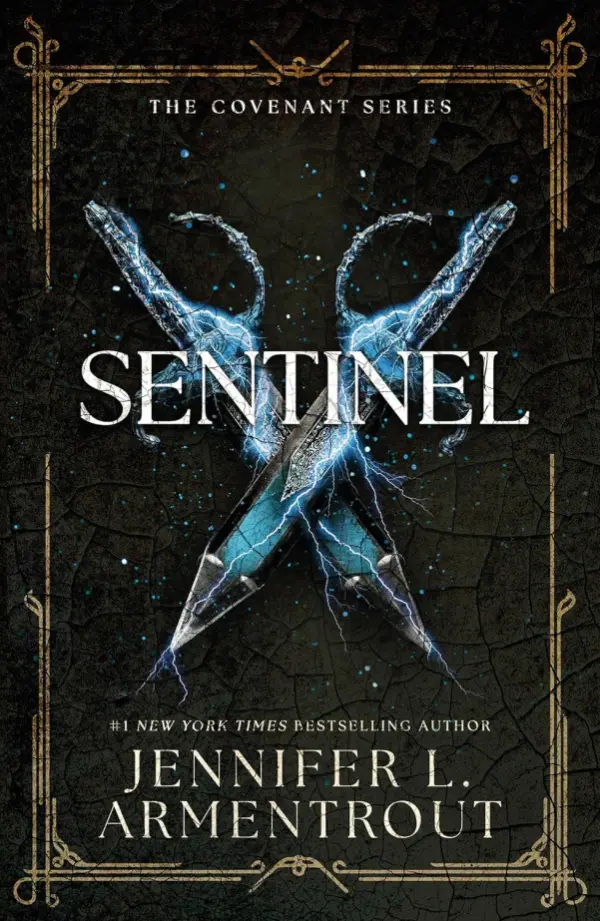
Sentinel
Jennifer L. Armentrout
Covenant, book 5
Average Goodreads rating4.4
- Survival and Resilience
- Hope in Darkness

Book trope · 10 books
At its most elemental, Good vs Evil is the oldest story shape we have. A force, person, or faction representing something worth protecting stands against one that seeks to destroy, corrupt, or dominate.
More about the Good vs Evil trope2 are tagged with Good vs Evil individually. The others belong to a series tagged with it, which doesn’t mean every book in it features the trope, so they’re marked “Matched via its series”.
Updating books…
10 books found
Jennifer L. Armentrout
Covenant, book 5
Average Goodreads rating4.4
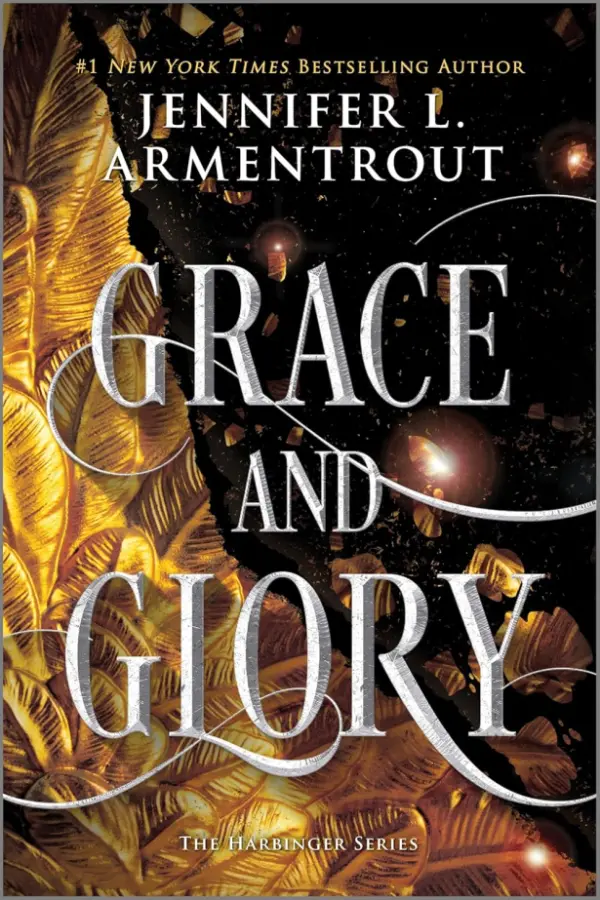
Jennifer L. Armentrout
Harbinger, book 3
Average Goodreads rating4.4
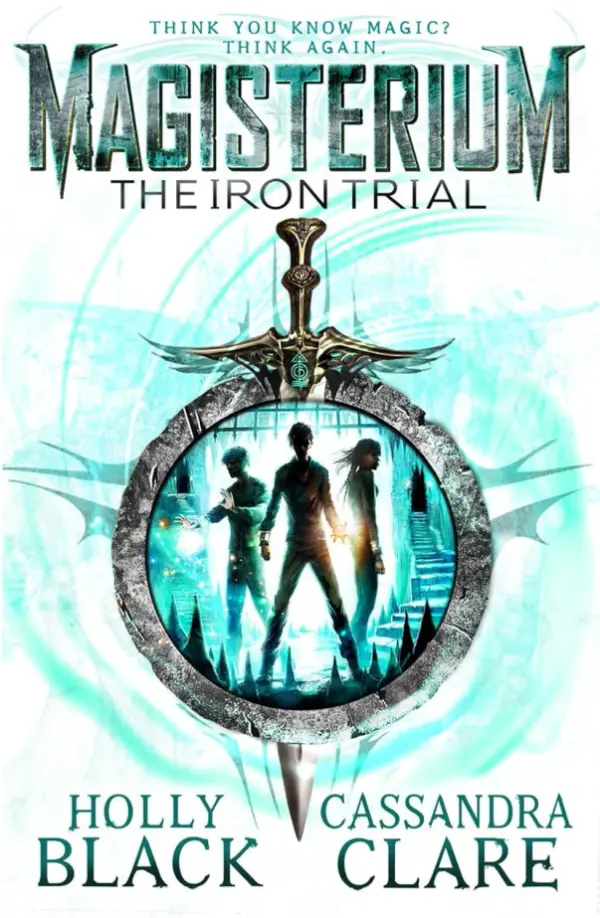
Holly Black & Cassandra Clare
Magisterium, book 1
Average Goodreads rating4.0
Matched via its series
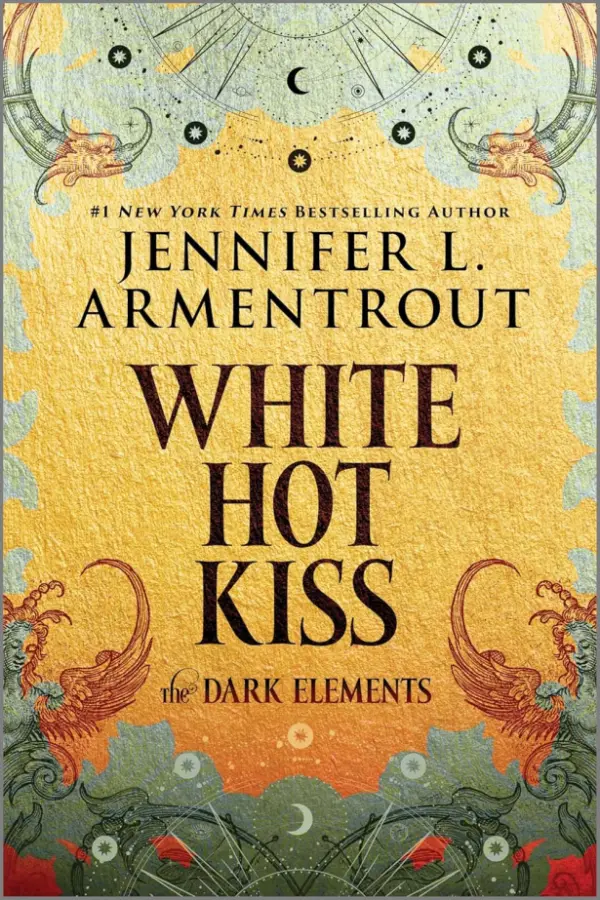
Jennifer L. Armentrout
The Dark Elements, book 1
Average Goodreads rating4.1
Matched via its series
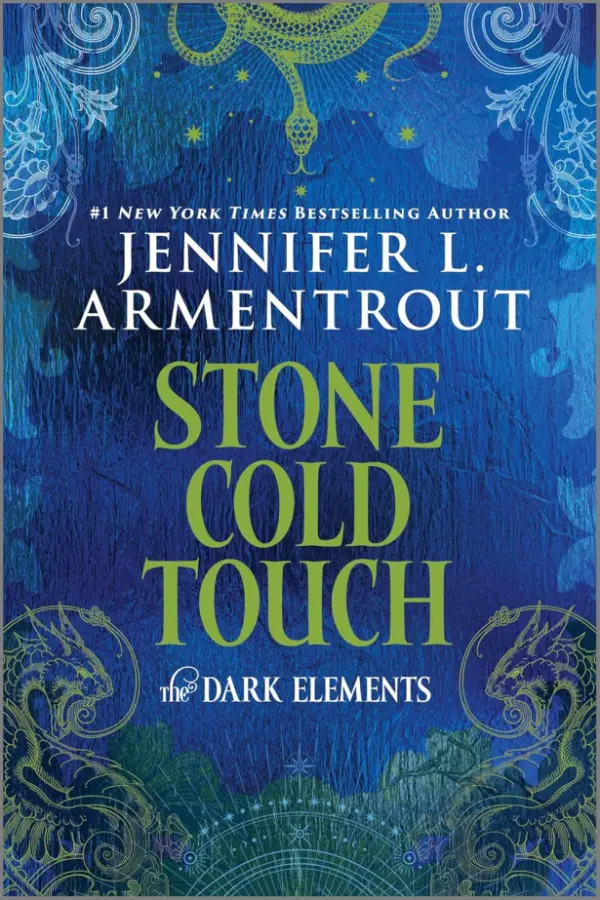
Jennifer L. Armentrout
The Dark Elements, book 2
Average Goodreads rating4.2
Matched via its series
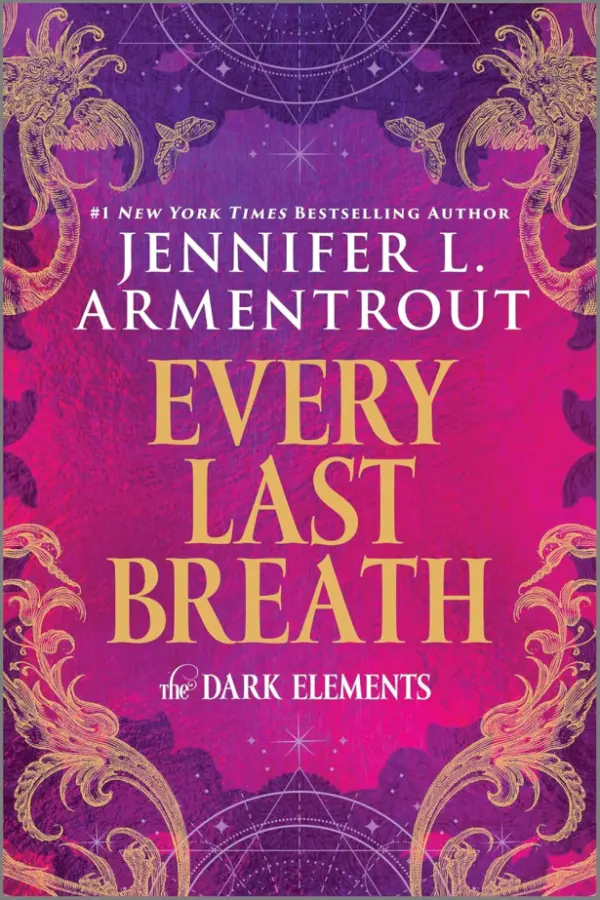
Jennifer L. Armentrout
The Dark Elements, book 3
Average Goodreads rating4.3
Matched via its series
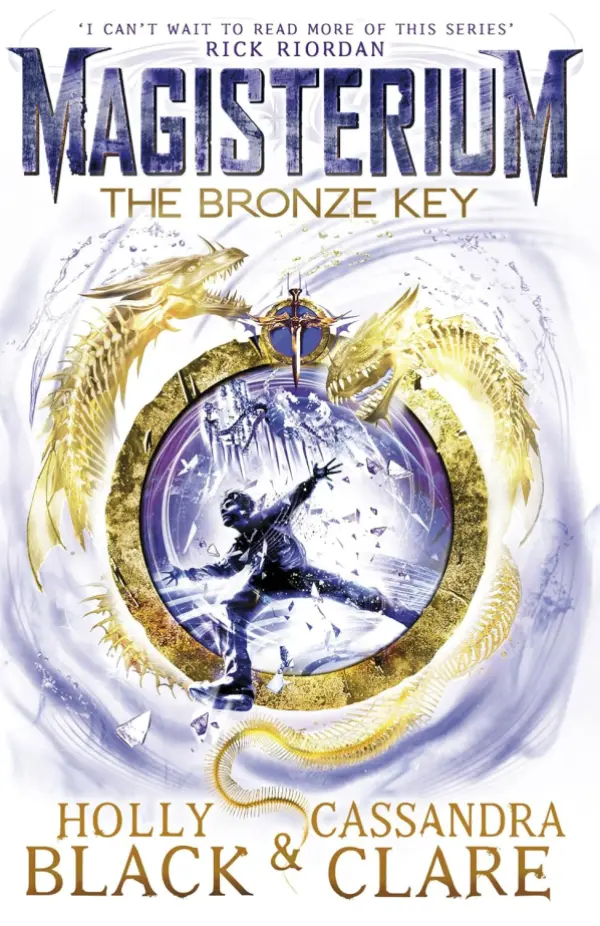
Cassandra Clare & Holly Black
Magisterium, book 3
Matched via its series
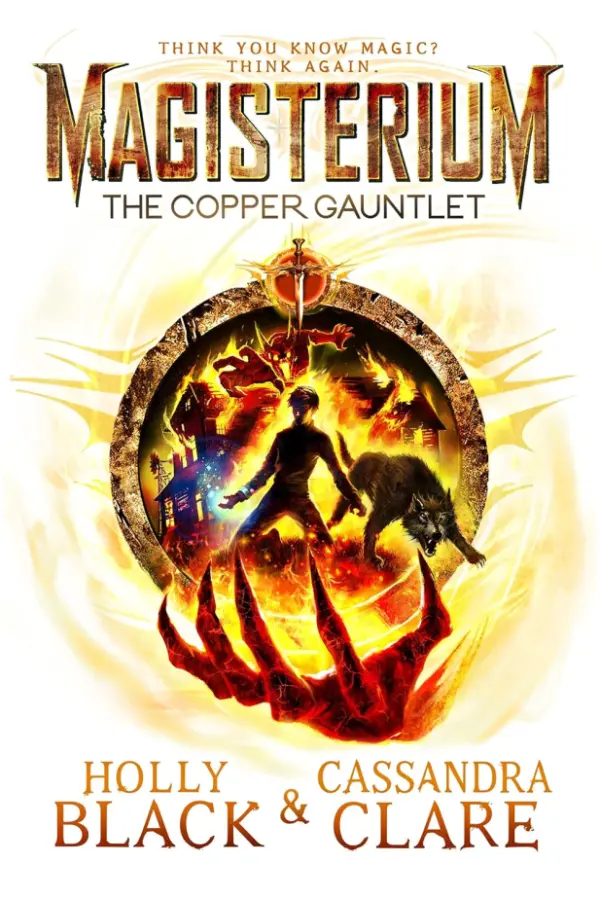
Cassandra Clare & Holly Black
Magisterium, book 2
Matched via its series
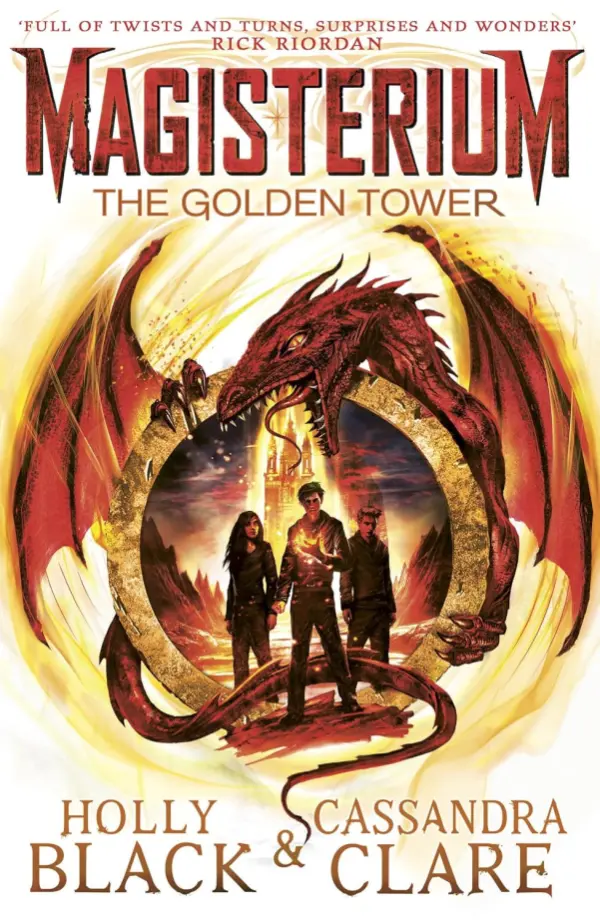
Cassandra Clare & Holly Black
Magisterium, book 5
Matched via its series
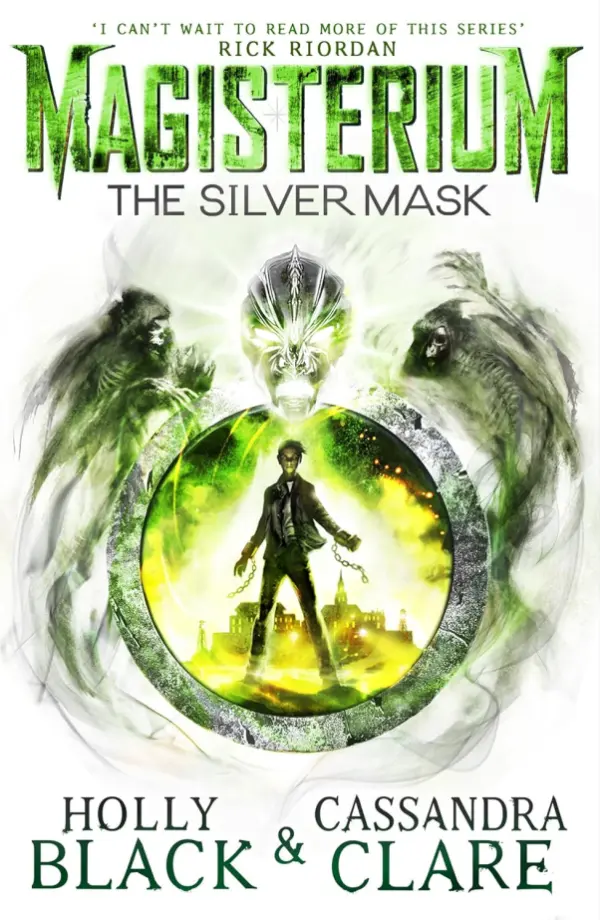
Cassandra Clare & Holly Black
Magisterium, book 4
Matched via its series
Tropes that share the most books with Good vs Evil
At its most elemental, Good vs Evil is the oldest story shape we have. A force, person, or faction representing something worth protecting stands against one that seeks to destroy, corrupt, or dominate. The tension between those two poles is what pulls readers through hundreds of pages, often without them quite noticing that the whole structure rests on a single, ancient question: what happens when the worst thing imaginable meets the best people capable of fighting it?
Fantasy and romance lean into this trope heavily, and for good reason. It gives stakes a moral weight that purely personal conflicts can't always carry. When the villain isn't just an obstacle but an embodiment of something genuinely threatening — cruelty, nihilism, the hunger for absolute power — every small victory the protagonist earns feels consequential.
The trope lives or dies on the credibility of both sides. A compelling Good vs Evil story never lets the "good" side off lightly. The best versions force their heroes to confront uncomfortable questions about their own methods, motivations, and blind spots. Is the cause just if the cost is catastrophic? Can someone fight darkness without absorbing a little of it themselves? These aren't rhetorical flourishes — they're the engine of the conflict.
On the other side, the most memorable villains aren't evil for evil's sake. They have a logic, even a coherent worldview. When readers can almost see the villain's point — even while fundamentally rejecting it — the opposition between the two sides becomes genuinely unsettling rather than comfortably predictable.
The trope shifts its shape depending on the genre it's working within. In epic fantasy, Good vs Evil tends to operate at a civilisational scale: armies, prophecies, ancient powers, the fate of entire worlds. The individual hero's journey becomes a microcosm of a much larger war.
In darker or grimdark fantasy, the line between the two sides is deliberately blurred. "Good" characters do terrible things; "evil" factions contain people with genuine grievances. The trope is used ironically, interrogating the very moral certainty it appears to endorse.
Romance brings the conflict closer in. Here, Good vs Evil might manifest as a protagonist standing against a controlling family, a corrupt institution, or a genuinely dangerous love interest whose darkness the story refuses to romanticise. The personal becomes political, and the stakes feel immediate rather than cosmic.
There's also the internal version — the character who is themselves the battleground, torn between impulses they can barely name, uncertain which side of the line they'll end up on when the story resolves.
Familiarity isn't the same as predictability. Readers return to Good vs Evil not because they need the comfort of a guaranteed outcome, but because the framework gives them permission to care completely. It strips away ambiguity long enough to ask what you'd actually do, what you'd sacrifice, what you'd become.
The best stories using this trope don't let the answer come easily. And that difficulty — that moral friction — is exactly what makes the ending, whatever form it takes, feel earned.
Occasional emails with new recommendations, series news and trope round-ups.