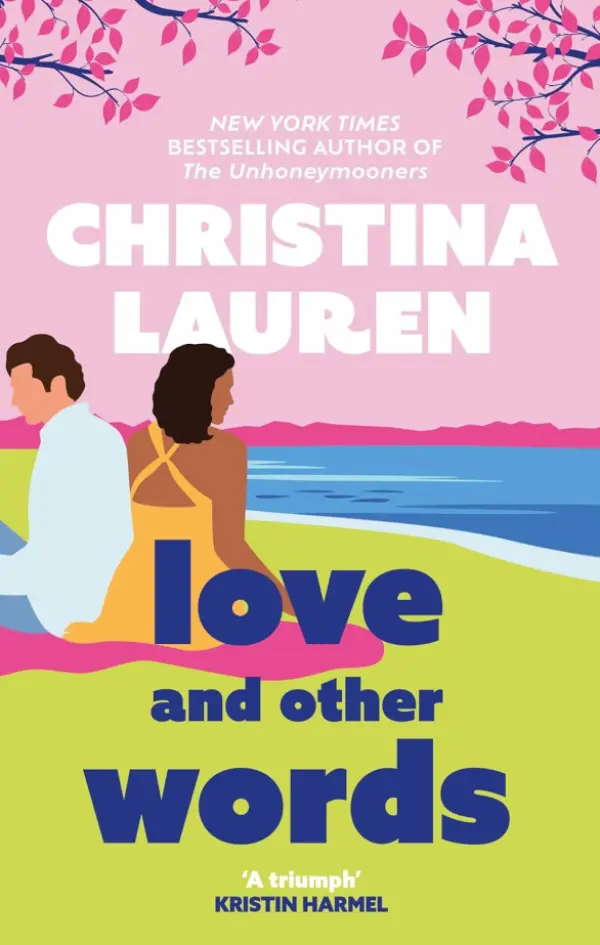
Love and Other Words
Christina Lauren
Average Goodreads rating4.2
- Coming of Age
- Slow-burn Romance

Book trope · 47 books
Two people who already know each other — really know each other — slowly realise that what they have is something more. That's the heart of friends to lovers, one of the most enduringly beloved tropes in romance.
More about the Friends to Lovers trope12 are tagged with Friends to Lovers individually. The others belong to a series tagged with it, which doesn’t mean every book in it features the trope, so they’re marked “Matched via its series”.
Updating books…
47 books found
Christina Lauren
Average Goodreads rating4.2
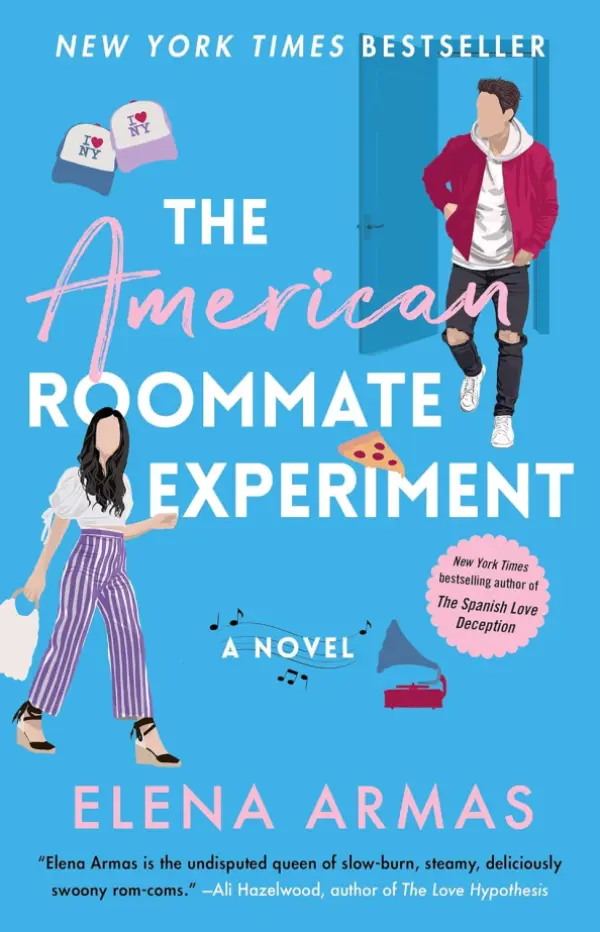
Elena Armas
Average Goodreads rating3.8
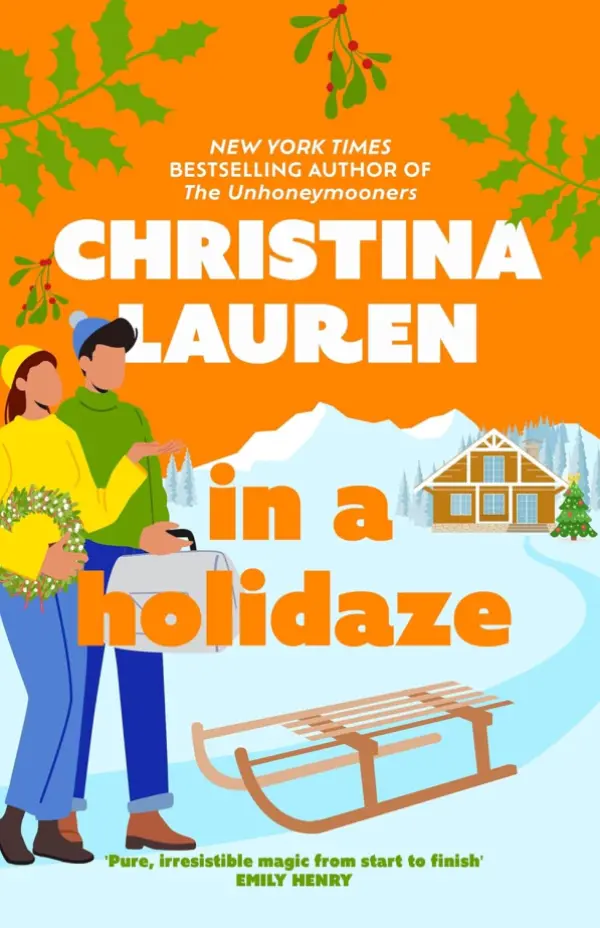
Christina Lauren
Average Goodreads rating4.1
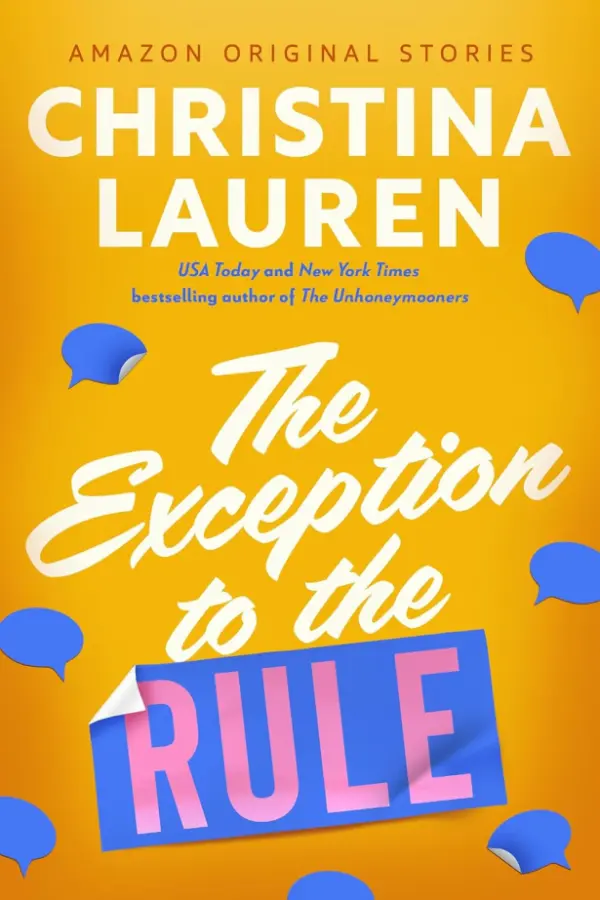
Christina Lauren
Average Goodreads rating4.2
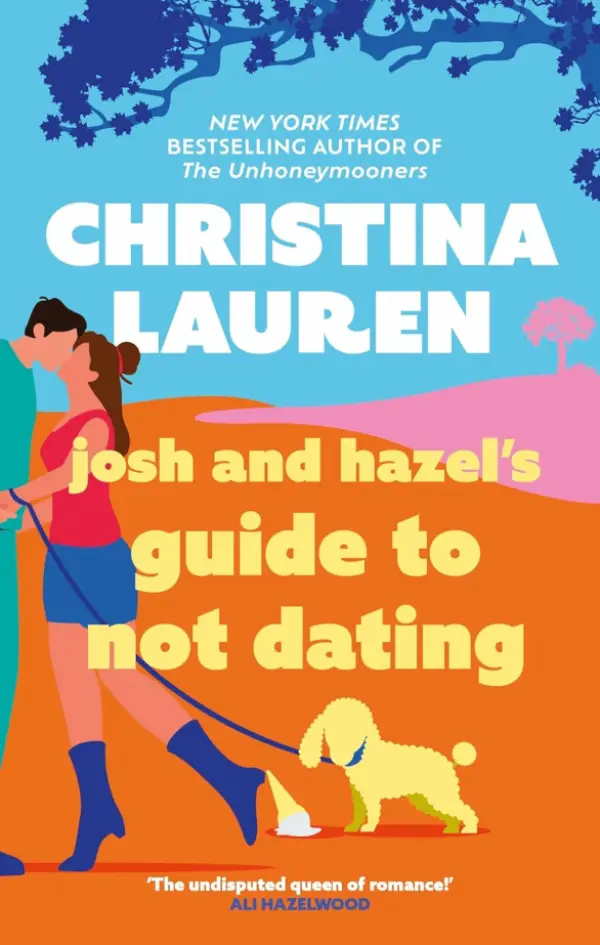
Christina Lauren
Average Goodreads rating3.9
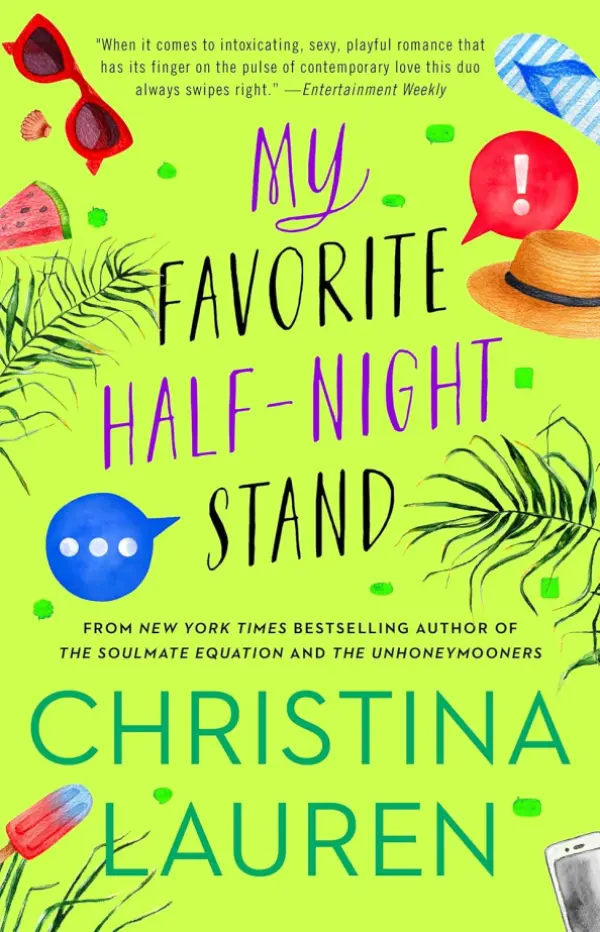
Christina Lauren
Average Goodreads rating3.7
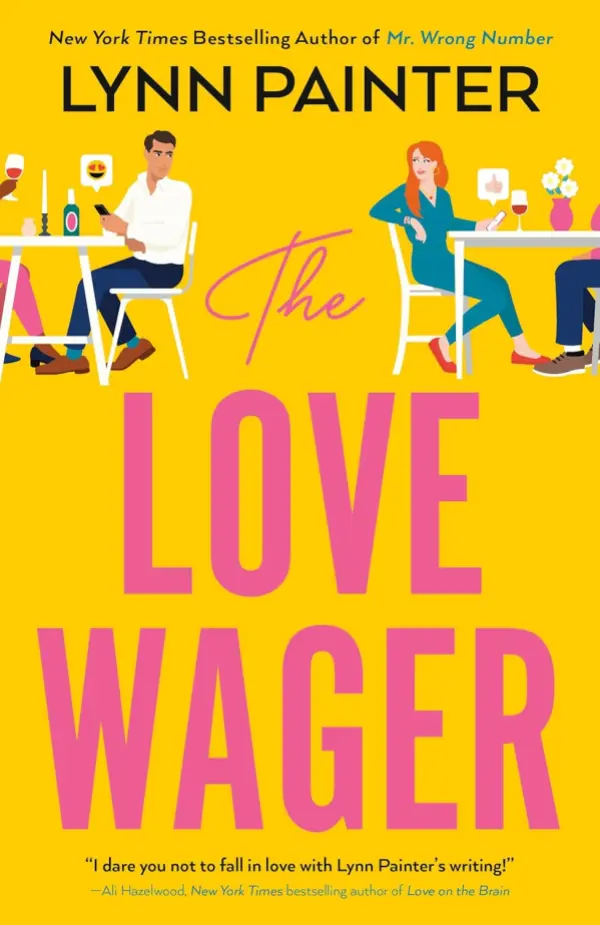
Lynn Painter
Average Goodreads rating3.9
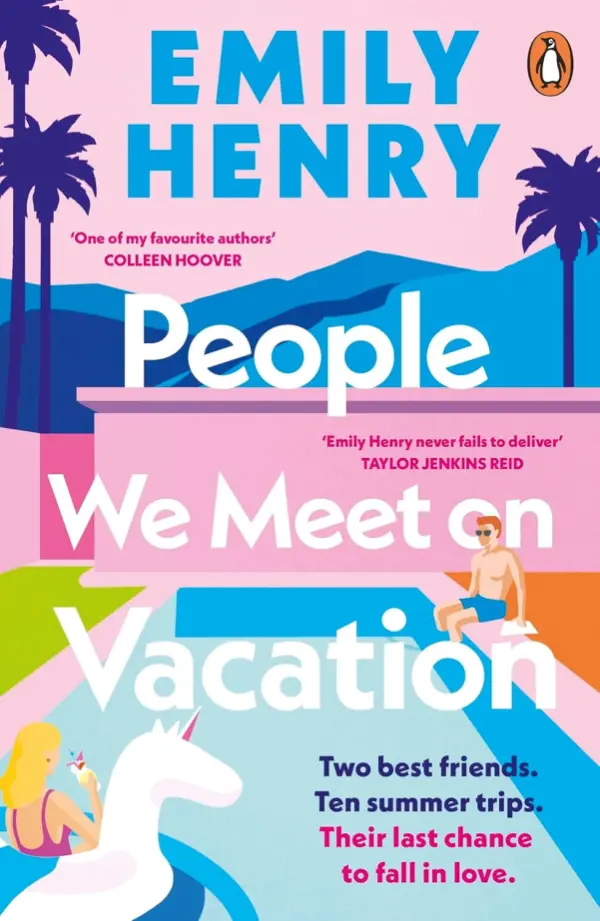
Emily Henry
Average Goodreads rating4.1
Lynn Painter
Average Goodreads rating3.7
Elena Armas
Average Goodreads rating3.1
Lynn Painter
Average Goodreads rating4.5
Ashley Poston
Heart of Iron, book 2
Average Goodreads rating4.0
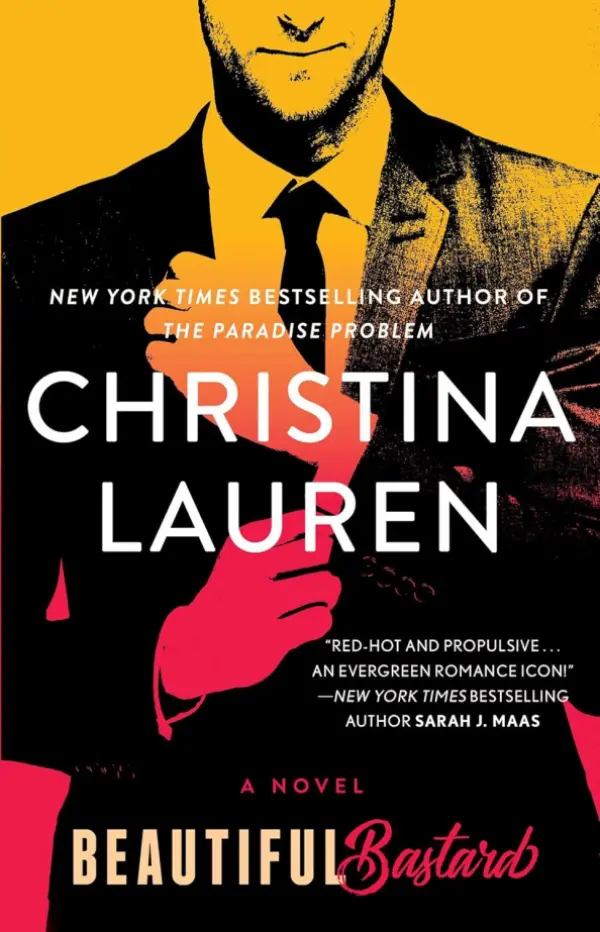
Christina Lauren
Beautiful, book 1
Average Goodreads rating3.9
Matched via its series
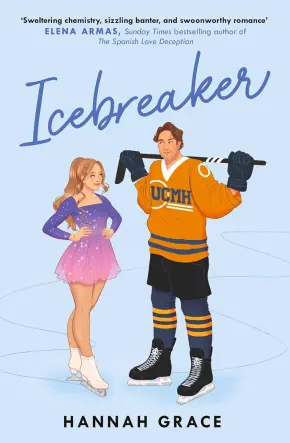
Hannah Grace
Maple Hills, book 1
Average Goodreads rating4.4
Matched via its series
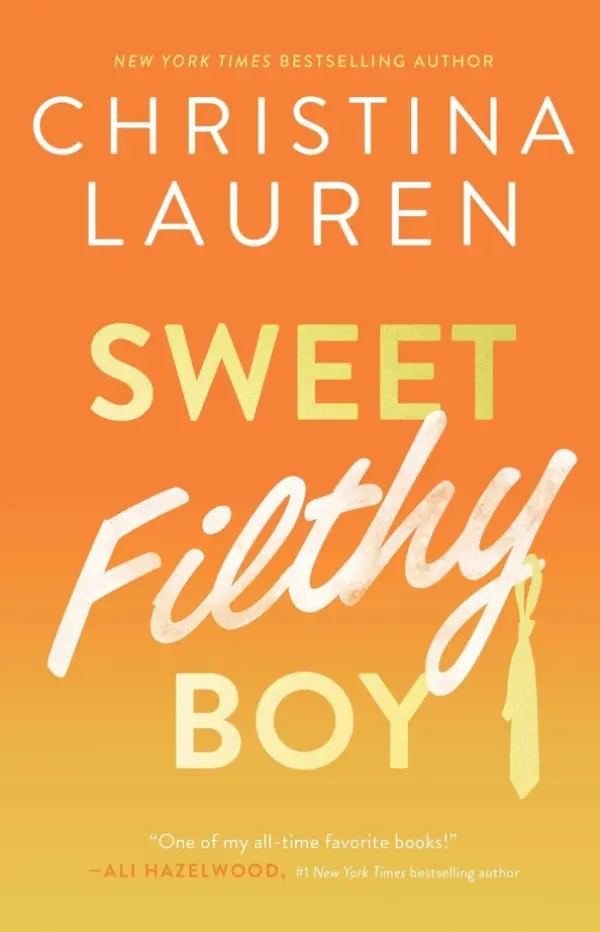
Christina Lauren
Wild Seasons, book 1
Average Goodreads rating3.9
Matched via its series

Chloe Walsh
Ocean Bay, book 1
Average Goodreads rating4.4
Matched via its series

Chloe Walsh
Pocket, book 1
Average Goodreads rating4.6
Matched via its series

Chloe Walsh
Boys of Tommen, book 1
Average Goodreads rating4.7
Matched via its series

Elsie Silver
Chestnut Springs, book 1
Average Goodreads rating4.3
Matched via its series
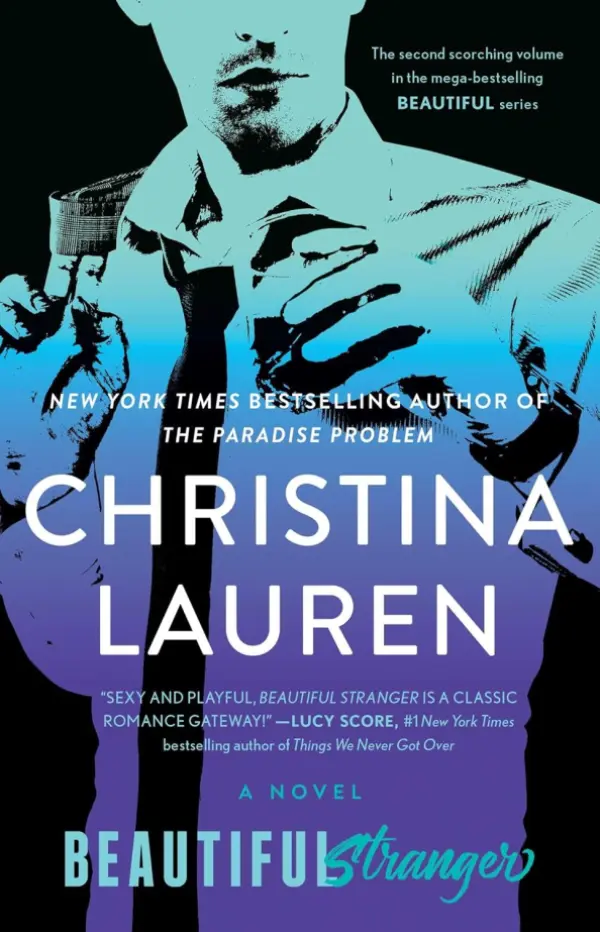
Christina Lauren
Beautiful, book 2
Average Goodreads rating4.1
Matched via its series
Christina Lauren
Beautiful, book 5
Average Goodreads rating4.2
Matched via its series
Christina Lauren
Beautiful, book 3
Average Goodreads rating3.8
Matched via its series

Christina Lauren
Beautiful, book 8
Average Goodreads rating4.0
Matched via its series
Christina Lauren
Beautiful, book 4
Average Goodreads rating3.9
Matched via its series
Christina Lauren
Wild Seasons, book 2
Average Goodreads rating4.1
Matched via its series
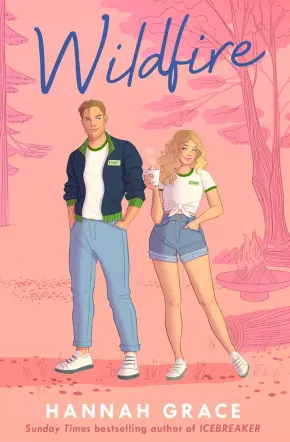
Hannah Grace
Maple Hills, book 2
Average Goodreads rating4.3
Matched via its series
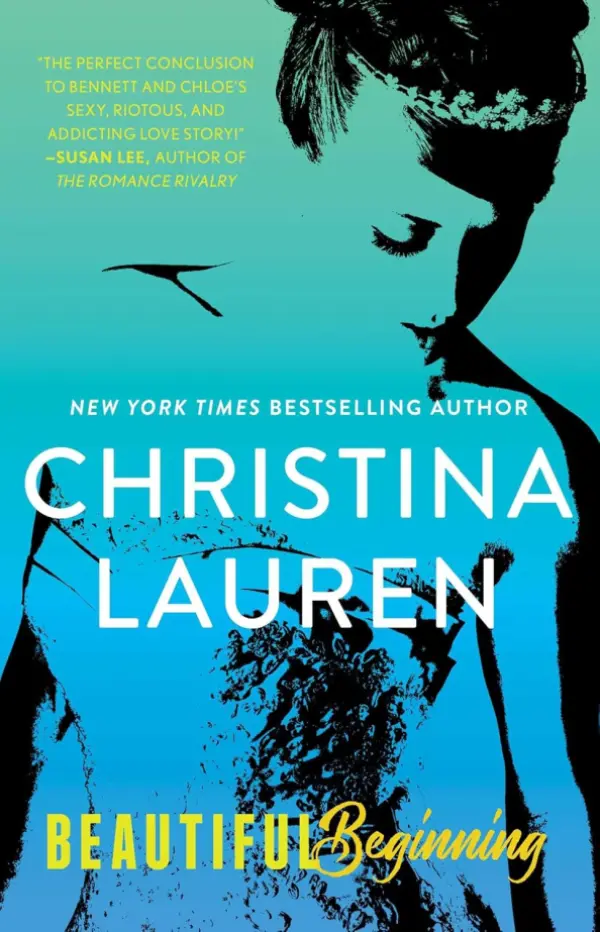
Christina Lauren
Beautiful, book 6
Average Goodreads rating4.1
Matched via its series
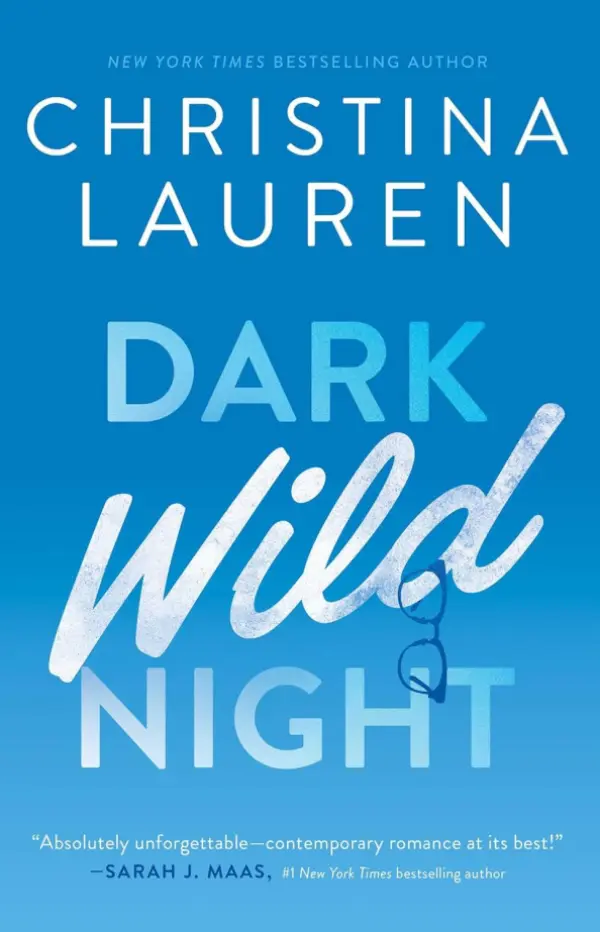
Christina Lauren
Wild Seasons, book 3
Average Goodreads rating3.9
Matched via its series
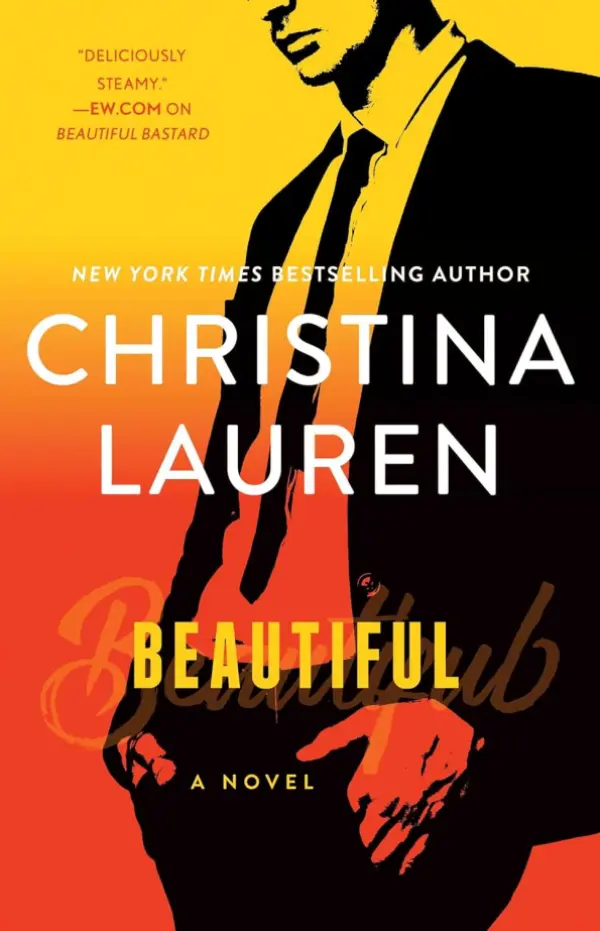
Christina Lauren
Beautiful, book 10
Average Goodreads rating4.1
Matched via its series
Christina Lauren
Beautiful, book 7
Average Goodreads rating4.0
Matched via its series
Tropes that share the most books with Friends to Lovers
Two people who already know each other — really know each other — slowly realise that what they have is something more. That's the heart of friends to lovers, one of the most enduringly beloved tropes in romance. There's no grand first impression, no strangers-meeting-cute across a crowded room. Instead, the romantic tension builds in the spaces between shared history: an inside joke that lingers a beat too long, a moment of comfort that suddenly feels charged, a look across the room that means something different than it did six months ago.
Readers keep returning to this trope because the emotional stakes are uniquely high. Friendship is already a form of intimacy. When romantic feelings enter the picture, everything that relationship has built becomes both a foundation and a fault line.
The central tension isn't will they meet — they already have. It's will they risk what they've got for something they can't take back. That fear of loss is what gives friends to lovers its particular ache. The best versions of this trope make the friendship feel genuinely real before the romance ignites, so when feelings shift, the reader has as much to lose as the characters do.
There's also something deeply satisfying about being loved by someone who already knows your worst habits and chooses you anyway. No performance, no carefully curated first impressions. Just two people who've seen each other clearly for years, finally seeing each other differently.
A slow burn is almost always present. The realisation of feelings tends to sneak up — on the characters and on the reader — rather than arriving in a single dramatic moment. Jealousy often plays a role, one friend watching the other date someone else and feeling something uncomfortably sharp about it. The almost moments accumulate: almost saying something, almost touching, almost admitting it.
Pine-heavy internal monologue is practically a genre staple. One character — sometimes both — will have been carrying feelings far longer than they've let on, which means revelations often come with a reframe of the entire relationship up to that point. What looked like friendship suddenly reads as something else entirely, and that retrospective shift is enormously pleasurable to experience.
The trope branches in several directions depending on how the authors play with the core dynamic. Childhood friends reconnecting as adults brings in the added weight of nostalgia and the strangeness of recognising someone you've outgrown alongside. Forced proximity — a shared flat, a road trip, a holiday with family — is a frequent accelerant, putting existing friends into situations that strip away the usual social buffer.
One-sided pining versus mutual obliviousness produce quite different tones: the former is often more melancholy and internal, while the latter leans into comedy and dramatic irony as the reader watches two people be spectacularly unaware of each other's feelings. Some stories also subvert the trope entirely, letting the friendship survive the almost and exploring what that costs both people. However the setup is handled, the emotional core remains constant: the terrifying, wonderful possibility that the person you most want might already be the person you've got.
Occasional emails with new recommendations, series news and trope round-ups.