
A Court of Thorns and Roses
Sarah J. Maas
A Court of Thorns and Roses (ACOTAR), book 1
Average Goodreads rating4.5
Matched via its series

Book trope · 18 books
Few settings in fantasy carry quite the same electric charge as the faerie court. Part political arena, part hall of mirrors, these are places where beauty is a weapon, promises are binding in the most dangerous sense, and the rules governing human behaviour simply don't apply.
More about the Faerie Courts trope0 are tagged with Faerie Courts individually. The others belong to a series tagged with it, which doesn’t mean every book in it features the trope, so they’re marked “Matched via its series”.
Updating books…
18 books found
Sarah J. Maas
A Court of Thorns and Roses (ACOTAR), book 1
Average Goodreads rating4.5
Matched via its series
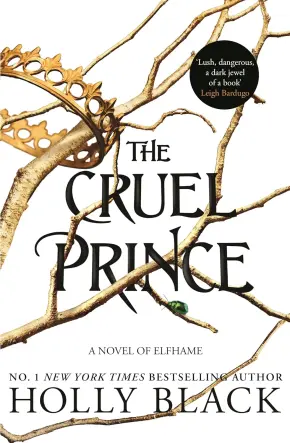
Holly Black
The Folk of the Air, book 1
Average Goodreads rating4.3
Matched via its series
Jennifer L. Armentrout
A Wicked Trilogy, book 1
Average Goodreads rating4.2
Matched via its series
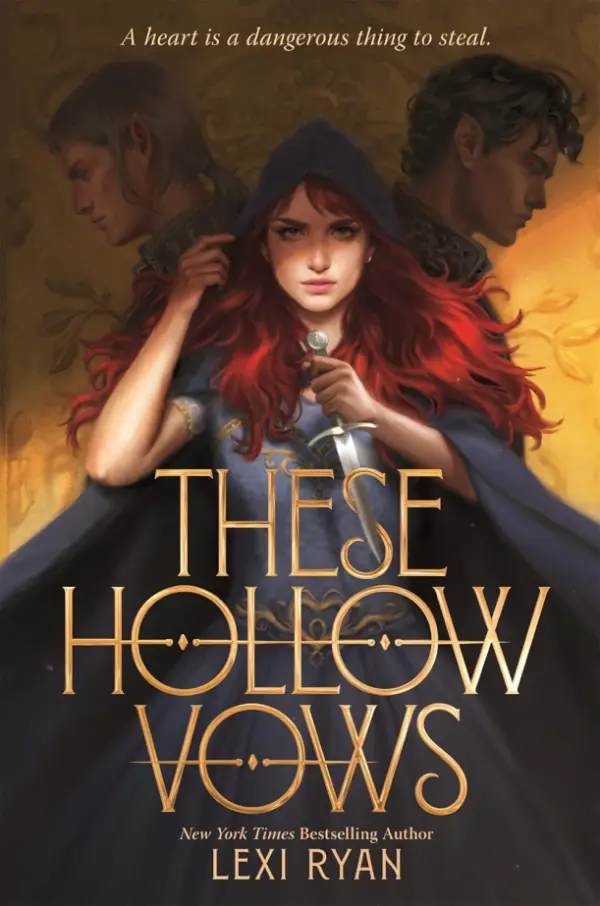
Lexi Ryan
These Hollow Vows, book 1
Average Goodreads rating4.3
Matched via its series
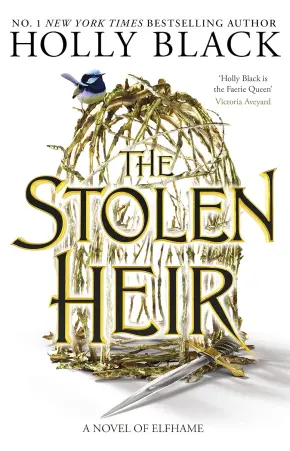
Holly Black
The Stolen Heir, book 1
Average Goodreads rating4.4
Matched via its series

Holly Black
Modern Faerie Tale, book 1
Average Goodreads rating4.8
Matched via its series

Sarah J. Maas
A Court of Thorns and Roses (ACOTAR), book 2
Average Goodreads rating4.8
Matched via its series

Sarah J. Maas
A Court of Thorns and Roses (ACOTAR), book 3
Average Goodreads rating4.7
Matched via its series

Sarah J. Maas
A Court of Thorns and Roses (ACOTAR), book 5
Average Goodreads rating4.7
Matched via its series

Sarah J. Maas
A Court of Thorns and Roses (ACOTAR), book 4
Average Goodreads rating4.1
Matched via its series
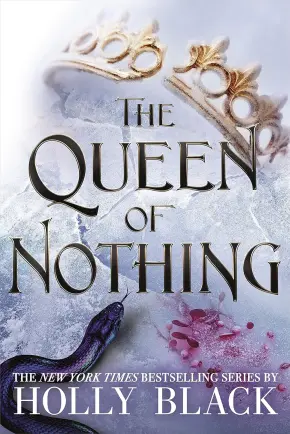
Holly Black
The Folk of the Air, book 3
Average Goodreads rating4.6
Matched via its series
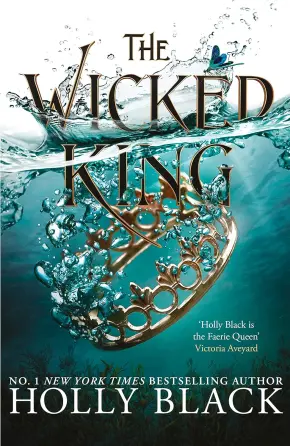
Holly Black
The Folk of the Air, book 2
Average Goodreads rating4.5
Matched via its series
Jennifer L. Armentrout
A Wicked Trilogy, book 2
Average Goodreads rating4.3
Matched via its series
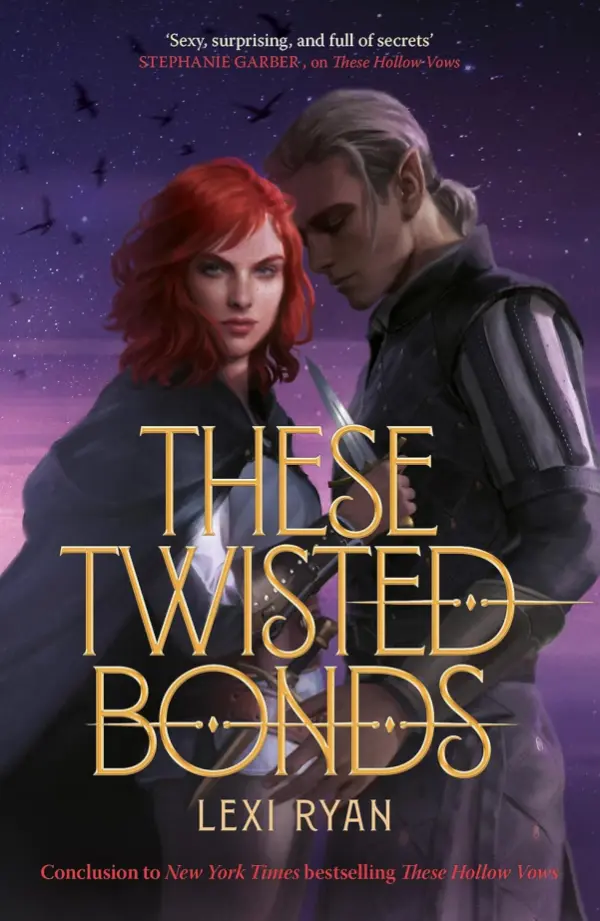
Lexi Ryan
These Hollow Vows, book 2
Average Goodreads rating4.3
Matched via its series
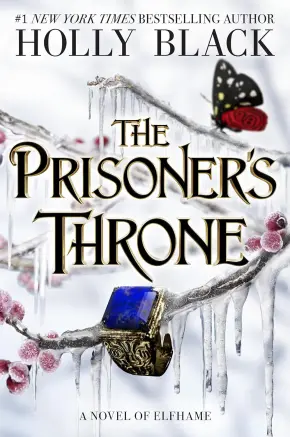
Holly Black
The Stolen Heir, book 2
Average Goodreads rating4.4
Matched via its series

Holly Black
Modern Faerie Tale, book 2
Average Goodreads rating4.3
Matched via its series

Holly Black
Modern Faerie Tale, book 3
Average Goodreads rating4.3
Matched via its series
Jennifer L. Armentrout
A Wicked Trilogy, book 3
Matched via its series
Tropes that share the most books with Faerie Courts
Few settings in fantasy carry quite the same electric charge as the faerie court. Part political arena, part hall of mirrors, these are places where beauty is a weapon, promises are binding in the most dangerous sense, and the rules governing human behaviour simply don't apply. The trope draws on centuries of folklore — the Seelie and Unseelie traditions of Scottish legend, the Irish Aos Sí, the Continental fae of medieval romance — but modern fantasy has reshaped it into something distinctly its own. Readers who love it tend to be drawn in by one central tension: stepping into a world that is gorgeous, intoxicating, and quietly lethal.
The core appeal is contrast. Courts of fae are usually depicted as achingly beautiful, draped in glamour and ceremony, yet the closer you look, the more the cracks show. Cruelty dressed as elegance. Hierarchy enforced through humiliation. And always, always, the sense that someone in the room knows more than they're letting on.
The Faerie Court trope has a few hallmarks that readers learn to recognise. Fae typically cannot lie outright, which means the real danger lies in half-truths, technically accurate statements, and very carefully worded bargains. Language becomes a kind of combat. Mortals — or outsiders of any kind — enter this world at genuine risk, not just of death but of losing something harder to name: time, memory, identity, free will.
Courts are almost always divided. Summer and Winter, Seelie and Unseelie, Spring and Autumn — the specific names shift, but the structural tension between opposing courts rarely does. This split serves the story in multiple ways. It creates built-in political conflict, gives characters obvious allegiances to navigate, and allows authors to explore how power corrupts differently depending on the flavour of magic involved. A Summer Court might rot you slowly with excess; a Winter Court might simply freeze you out, socially and literally.
Status and ritual matter enormously. Titles, protocols, the correct forms of address — these aren't mere decoration. Breaking them has consequences. This makes faerie courts rich ground for fish-out-of-water dynamics, particularly when a human or half-blood protagonist has to learn the rules fast or pay for every mistake.
The trope spans a wide tonal range. Some versions lean hard into dark romanticism: seductive fae rulers, forbidden desire, the pull of a world that promises everything while extracting a terrible price. Others foreground the political manoeuvring — intrigue, succession crises, shifting alliances — and use the faerie setting to tell stories that wouldn't feel out of place in a dynastic historical novel, just with more glamour magic and fewer candles that aren't enchanted.
There's also a grittier strand that strips away some of the aestheticised beauty and focuses on what faerie society actually costs its inhabitants. Here, the courts feel less like a dangerous dream and more like a caste system with teeth. Protagonists in these stories tend to be fighting not just for survival but for the right to exist outside the roles the court has assigned them.
Crossover with the enemies-to-lovers romance trope is extremely common. The court setting provides natural structural reasons for two characters to be on opposing sides, forced into proximity, and bound by oaths they didn't entirely choose.
There's something about the faerie court that scratches an itch few other settings can reach. It's the fantasy of a world with different rules — not simpler rules, but ones that are at least consistent, even if they're merciless. The danger is legible, once you understand it. You can't be lied to outright. You just have to be smart enough to ask the right questions.
That combination of genuine peril and internal logic, wrapped in an atmosphere of cold glamour and political theatre, is quietly addictive. Once you've read one court that felt truly alive, you spend a long time looking for the next one that matches it.
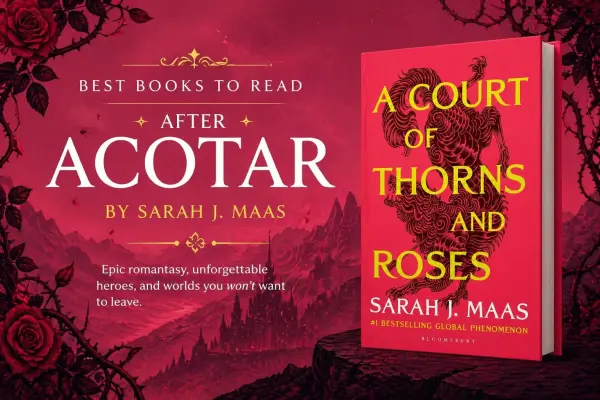
You finished ACOTAR and now nothing else feels like enough. Here are the books most likely to pull you back under - fae courts, forbidden romance, morally grey love interests, and worlds you won't want to leave.
Occasional emails with new recommendations, series news and trope round-ups.