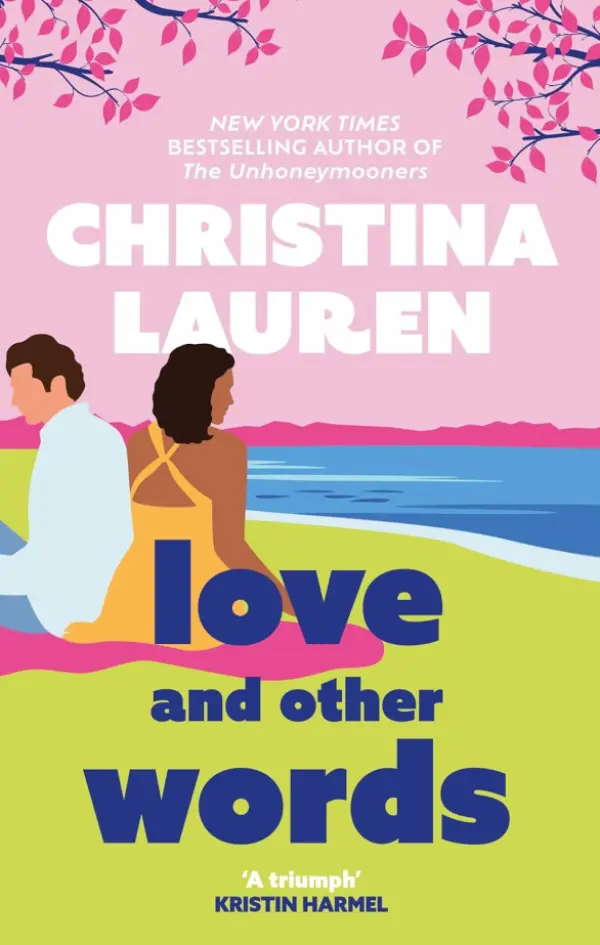
Love and Other Words
Christina Lauren
Average Goodreads rating4.2
- Coming of Age
- Slow-burn Romance

Book trope · 13 books
Emotional angst is the trope that keeps readers up until two in the morning, unable to put the book down even though — or precisely because — it hurts.
More about the Emotional Angst trope7 are tagged with Emotional Angst individually. The others belong to a series tagged with it, which doesn’t mean every book in it features the trope, so they’re marked “Matched via its series”.
Updating books…
13 books found
Christina Lauren
Average Goodreads rating4.2
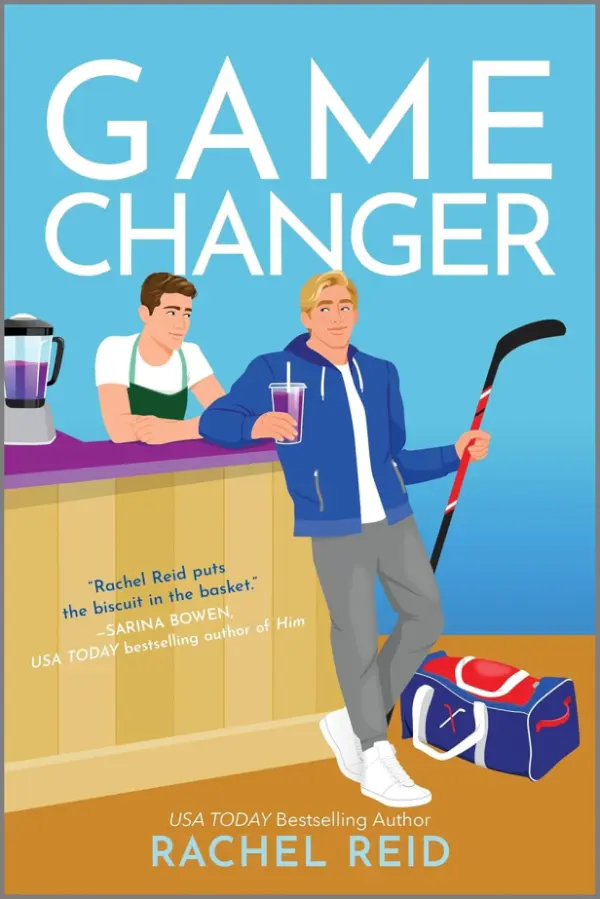
Rachel Reid
Game Changers, book 1
Average Goodreads rating3.9
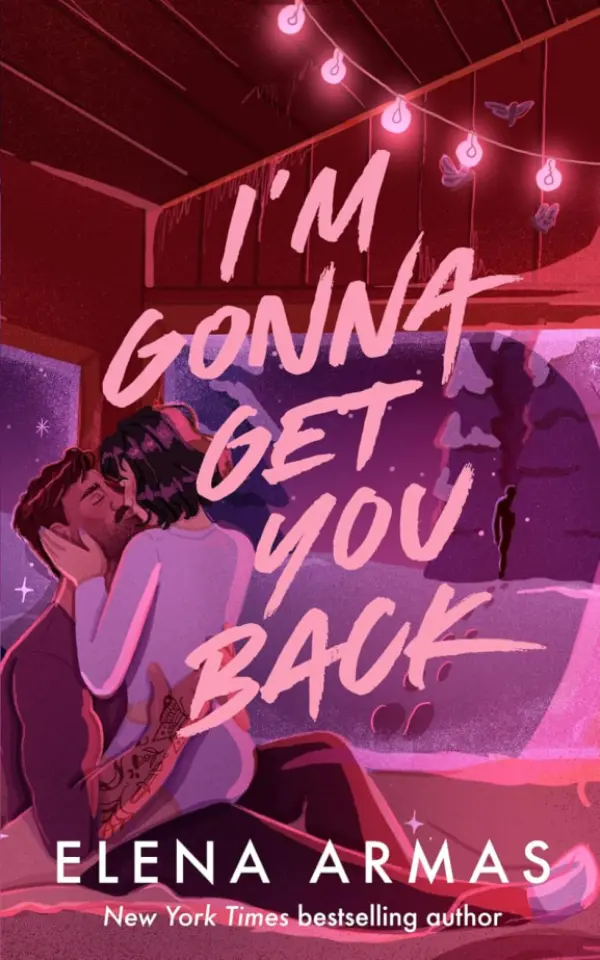
Elena Armas
Average Goodreads rating3.1
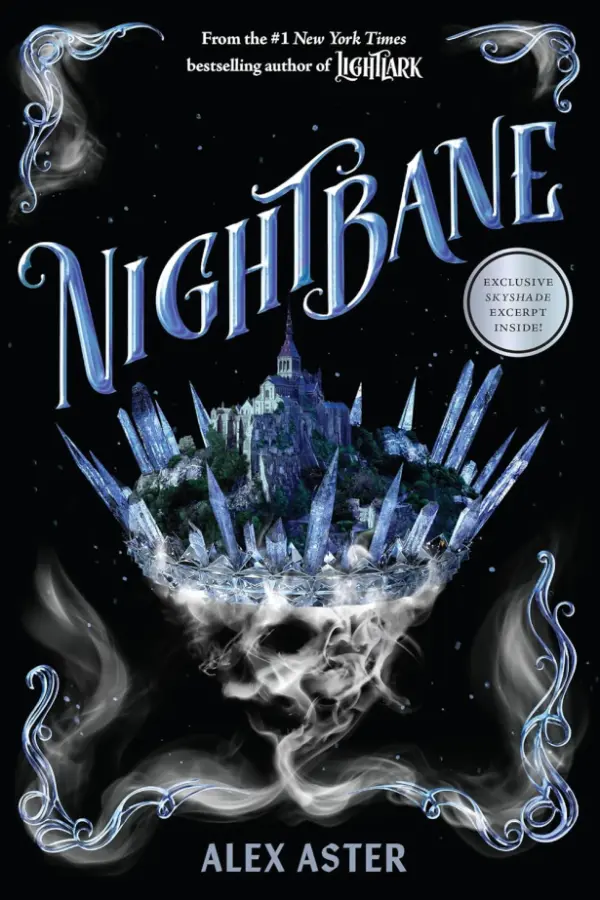
Alex Aster
Lightlark, book 2
Average Goodreads rating4.1
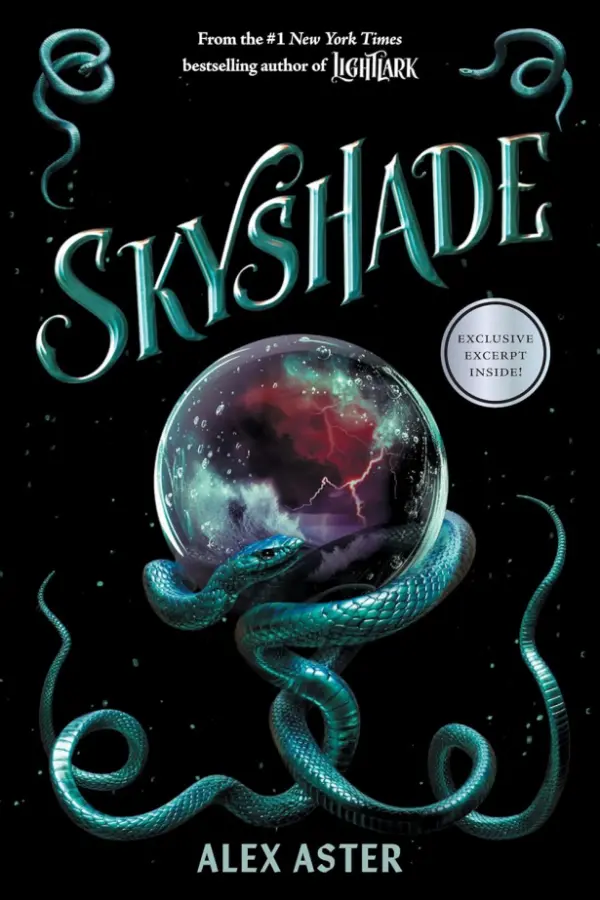
Alex Aster
Lightlark, book 3
Average Goodreads rating3.7
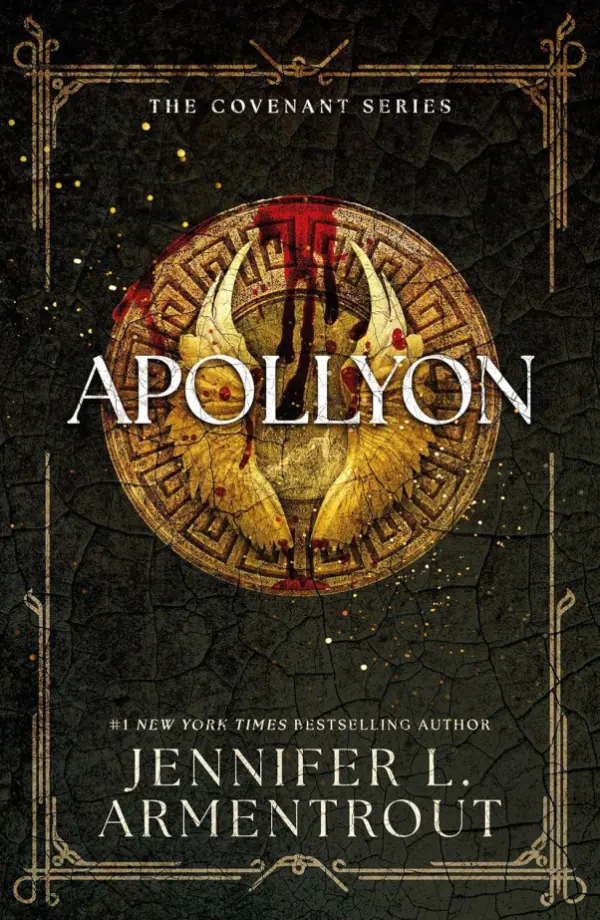
Jennifer L. Armentrout
Covenant, book 4
Average Goodreads rating4.3
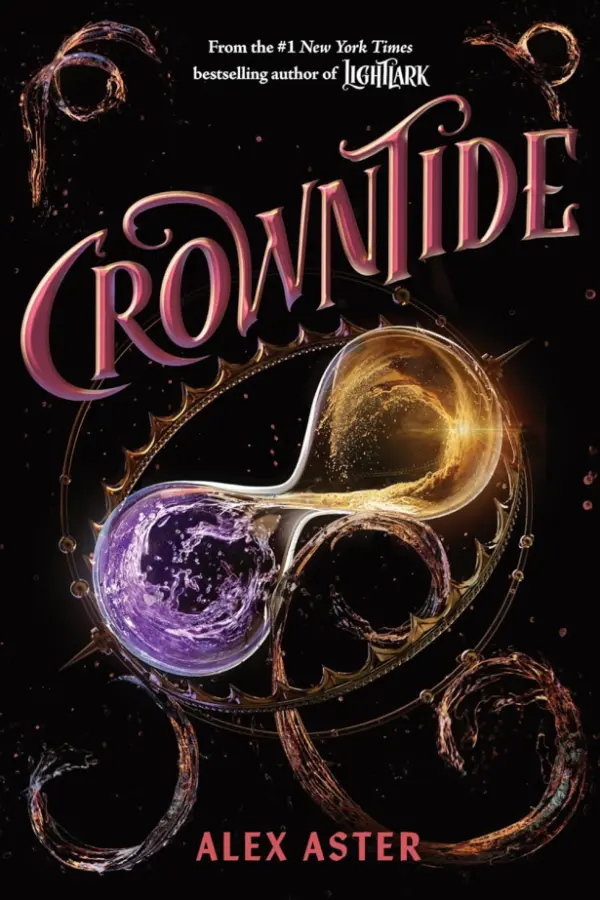
Alex Aster
Lightlark, book 4
Average Goodreads rating3.7
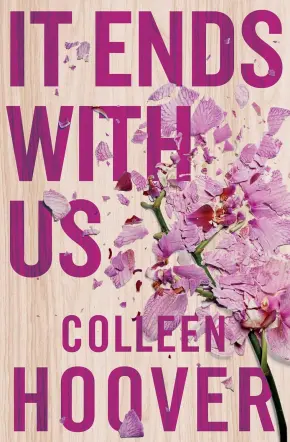
Colleen Hoover
It Ends with Us, book 1
Average Goodreads rating4.6
Matched via its series
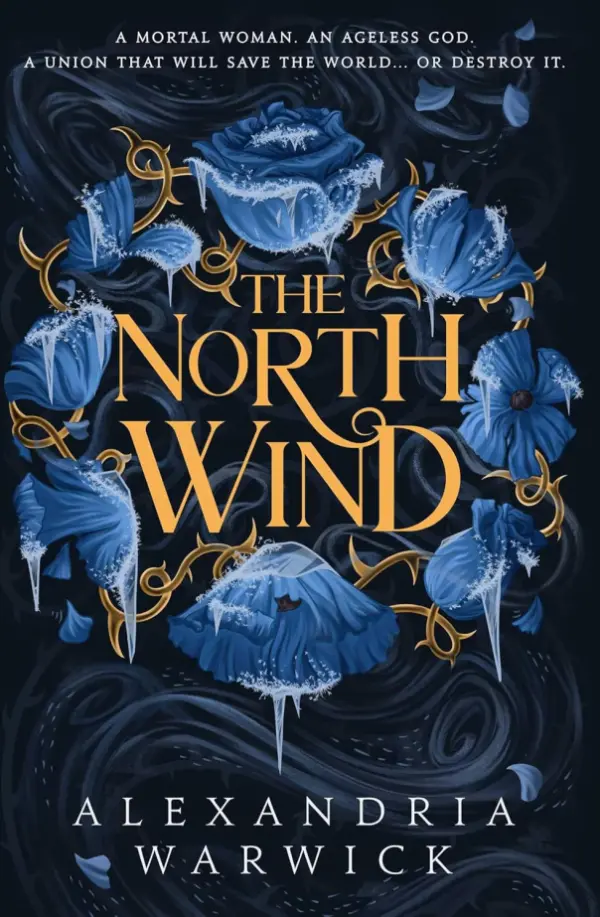
Alexandria Warwick
The Four Winds, book 1
Average Goodreads rating3.6
Matched via its series
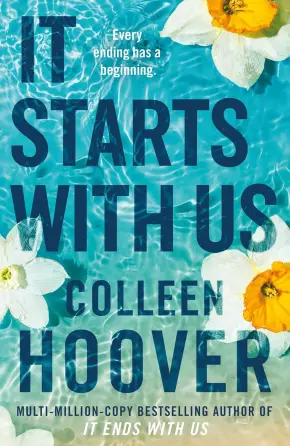
Colleen Hoover
It Ends with Us, book 2
Average Goodreads rating4.5
Matched via its series
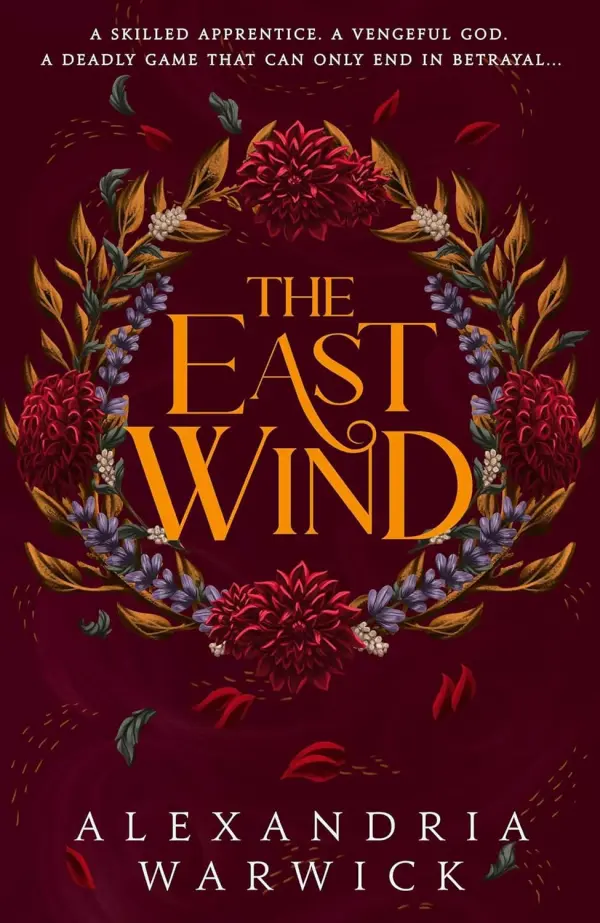
Alexandria Warwick
The Four Winds, book 4
Matched via its series
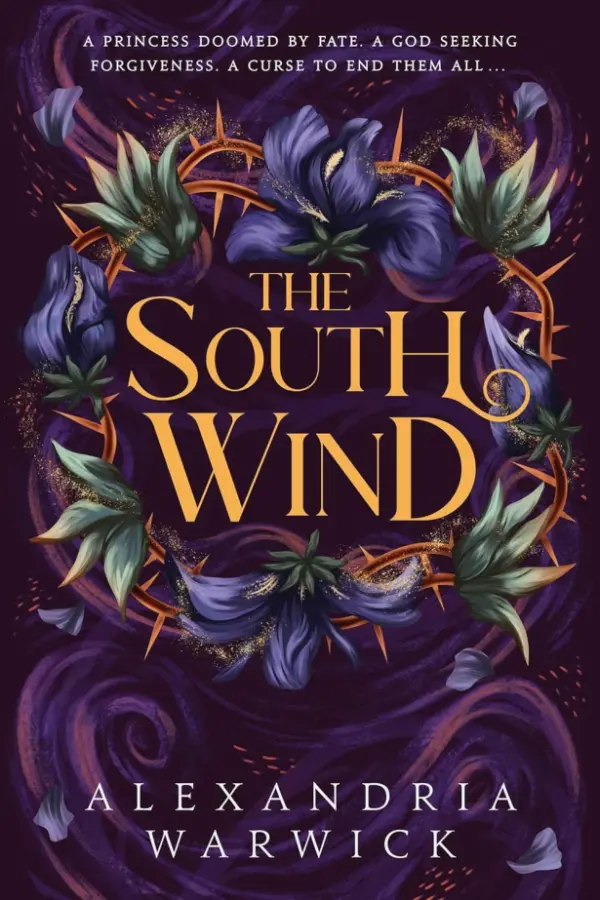
Alexandria Warwick
The Four Winds, book 3
Matched via its series
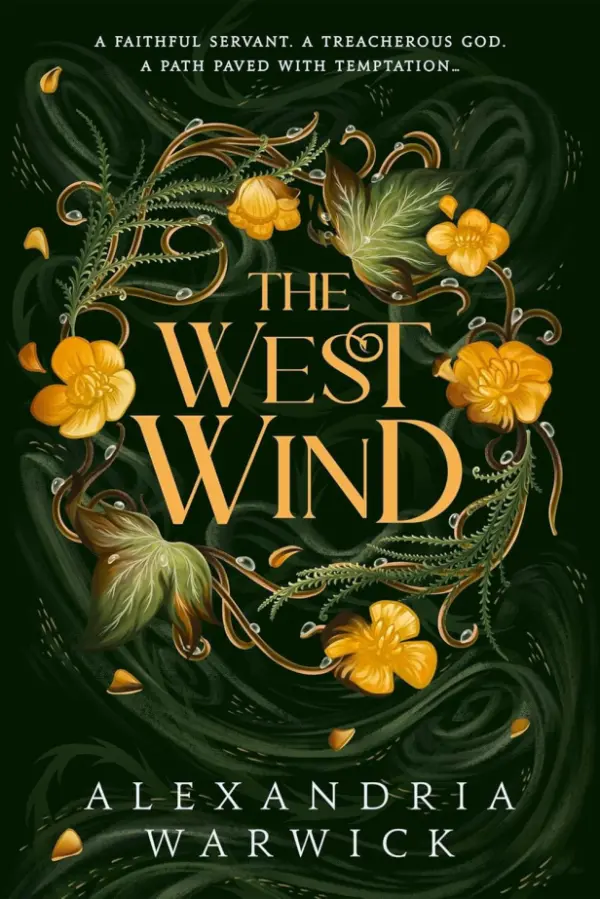
Alexandria Warwick
The Four Winds, book 2
Matched via its series
Tropes that share the most books with Emotional Angst
Emotional angst is the trope that keeps readers up until two in the morning, unable to put the book down even though — or precisely because — it hurts. At its core, it describes fiction where internal suffering drives the narrative. Characters grapple with grief, longing, shame, guilt, or heartbreak in ways that feel uncomfortably real. The plot may move, but the emotional weather is the point.
It's distinct from external conflict. A character can be perfectly safe and still be in agony. The tension lives inside: the things left unsaid, the wounds that haven't healed, the love that costs too much to admit to.
There's something cathartic about reading suffering you recognise. Emotional angst creates intimacy between reader and character faster than almost any other technique — because pain is universal, and a writer who renders it honestly earns immediate trust. Readers describe these books as the ones that made them cry on public transport, then immediately recommend them to their closest friends.
Fantasy and romance readers in particular are drawn to angst because the genre settings amplify it. An immortal who has outlived everyone they loved. A romance where the obstacle isn't circumstance but the characters' own fractured sense of worth. High stakes in the external world make internal collapse feel even more devastating.
The hallmark of well-written emotional angst is interiority. Authors lean into close third-person or first-person narration, staying tight to a character's thoughts and letting the reader sit with discomfort rather than rushing past it. Prose often slows down at the worst moments — shorter sentences, repetition, fragmented thinking. The structure mirrors the emotional state.
Common variations include the slow-burn wound, where a trauma from the past gradually surfaces throughout the story; the suppressed feeling, where a character refuses to acknowledge their own pain until they can't anymore; and mutual angst, found frequently in romance, where both leads are quietly suffering in ways that mirror each other without either knowing it. Some stories treat angst as something to be resolved; others treat it as the condition the character must learn to carry.
Emotional angst appears across fantasy and romance in different concentrations. Dark fantasy and grimdark fiction often bake it into the world itself — suffering is structural, not incidental. In paranormal romance and romantasy, it frequently attaches to the love interest dynamic: the push-pull of connection and self-protection. New adult fiction uses it to explore identity and belonging. Literary-leaning fantasy uses it to ask bigger questions about what we survive and what we don't.
If you've ever finished a book feeling hollowed out in the best possible way, you've already found your genre.
Occasional emails with new recommendations, series news and trope round-ups.