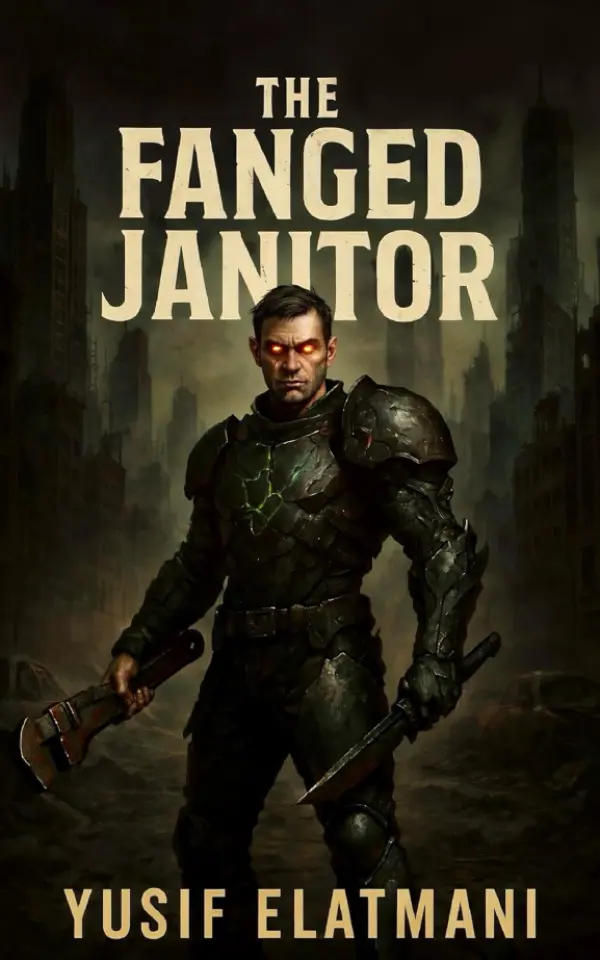
The Fanged Janitor
Yusif Elatmani
Average Goodreads rating4.2
- Dark Humour
- LitRPG

Book trope · 4 books
Some threats can be fought. Some can be reasoned with. Eldritch and cosmic horror is built on the unsettling premise that some things cannot be either — that the universe is indifferent at best, malevolent at worst, and that human beings are nowhere near as significant as they'd like to believe.
More about the Eldritch & Cosmic Horror trope1 is tagged with Eldritch & Cosmic Horror individually. The others belong to a series tagged with it, which doesn’t mean every book in it features the trope, so they’re marked “Matched via its series”.
Updating books…
4 books found
Yusif Elatmani
Average Goodreads rating4.2
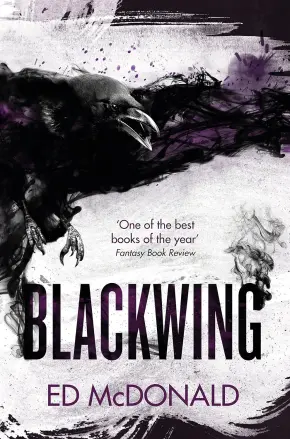
Ed McDonald
Raven's Mark, book 1
Average Goodreads rating4.4
Matched via its series
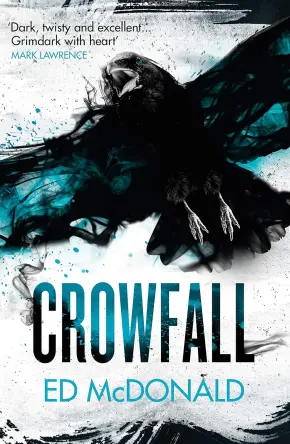
Ed McDonald
Raven's Mark, book 3
Average Goodreads rating4.5
Matched via its series
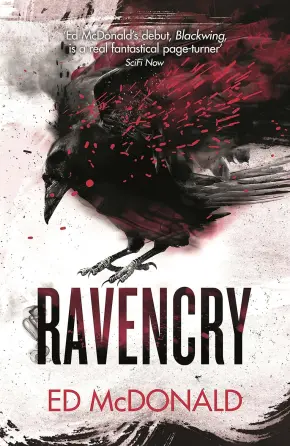
Ed McDonald
Raven's Mark, book 2
Average Goodreads rating4.5
Matched via its series
Tropes that share the most books with Eldritch & Cosmic Horror
Some threats can be fought. Some can be reasoned with. Eldritch and cosmic horror is built on the unsettling premise that some things cannot be either — that the universe is indifferent at best, malevolent at worst, and that human beings are nowhere near as significant as they'd like to believe. The horror here isn't a monster lurking in the dark. It's the realisation that the dark is looking back, and it doesn't care.
Rooted in the literary tradition of H.P. Lovecraft and expanded enormously since, this trope occupies a unique space in speculative fiction. It trades on dread rather than shock, on creeping wrongness rather than jump scares, on the horror of comprehension itself — the idea that truly understanding what you're facing would break you entirely.
The hallmarks are fairly consistent across the subgenre: ancient entities that predate human civilisation, forbidden knowledge that carries a cost, and protagonists who find their sanity fraying at the edges the closer they get to the truth. These aren't villains with motives. They're forces, vast and incomprehensible, operating on timescales and with purposes that human minds simply aren't built to process.
A sense of scale is everything here. The horror often arrives not with a roar but with a slow, sickening shift in perspective — a moment where the reader, alongside the character, suddenly grasps just how small and fragile everything is. Geography tends to carry weight too: ancient ruins, deep oceans, remote landscapes, and liminal spaces all serve as settings where the membrane between the known and the unknowable feels dangerously thin.
Language does a lot of work in this trope. Writers lean into deliberate vagueness — the creature that cannot be fully described, the symbol that resists interpretation, the sound that has no name. Paradoxically, what's left out is often more frightening than what's put in.
Cosmic horror bleeds comfortably into dark fantasy, weird fiction, and literary horror. In some stories it sits at the centre, the entire narrative built around one community or character unravelling as they encounter something they were never meant to know. In others it functions more like a backdrop — an ancient, sleeping power that the main plot orbits without ever fully confronting.
Fantasy settings often fold eldritch elements in through cults, corrupted magic systems, or pantheons of gods who are worshipped not out of love but out of the grim calculation that something so powerful is better appeased than ignored. Horror fiction, naturally, pushes harder on the psychological deterioration — unreliable narrators, fractured timelines, and prose styles that themselves seem to be coming apart at the seams.
More recently, the genre has seen a productive wave of writers reframing cosmic horror through different cultural mythologies and perspectives, pushing back against the tradition's more troubling associations while keeping the core existential dread fully intact. The results are often the most interesting entries in the subgenre — proving that the horror of the incomprehensible doesn't belong to any one tradition.
There's something almost perversely comforting about cosmic horror, which sounds contradictory but makes sense once you've read enough of it. In a genre where most threats can ultimately be overcome, eldritch horror asks a different question: what do you do when overcoming isn't an option? How do you live with what you now know?
Readers who love this trope tend to prize atmosphere over action, philosophical unease over resolution, and the kind of lingering dread that stays with you for days after you've closed the book. It rewards patience and punishes the need for tidy answers.
If you're after a happy ending, look elsewhere. If you're after something that makes you feel the full vertiginous weight of existence — this is exactly where you want to be.
Occasional emails with new recommendations, series news and trope round-ups.