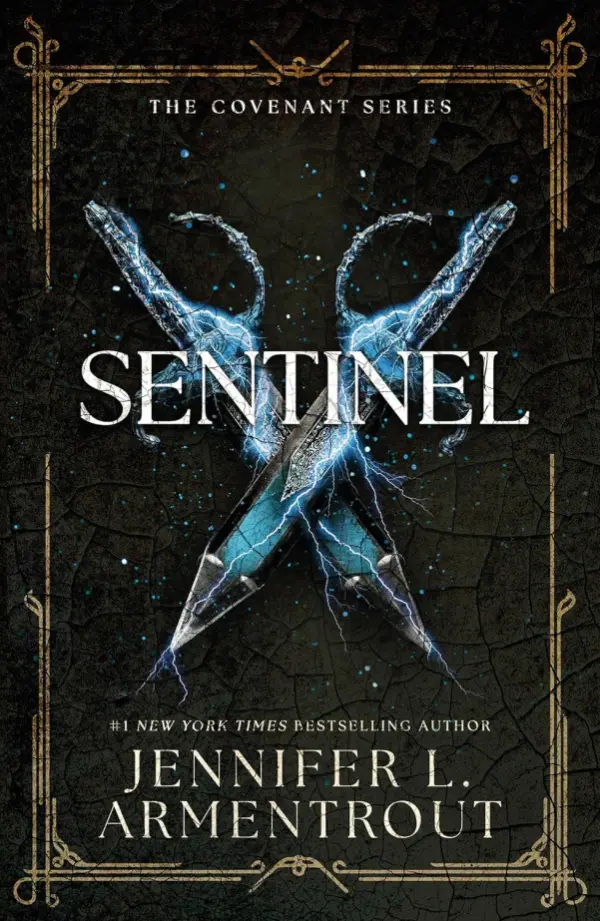
Sentinel
Jennifer L. Armentrout
Covenant, book 5
Average Goodreads rating4.4
- Good vs Evil
- Survival and Resilience

Book trope · 4 books
Some stories hinge on a sword fight or a magical confrontation. Others hinge on a moment of stillness — a character staring down two paths, neither of them clean, and having to pick one anyway.
More about the Difficult Choices trope2 are tagged with Difficult Choices individually. The others belong to a series tagged with it, which doesn’t mean every book in it features the trope, so they’re marked “Matched via its series”.
Updating books…
4 books found
Jennifer L. Armentrout
Covenant, book 5
Average Goodreads rating4.4
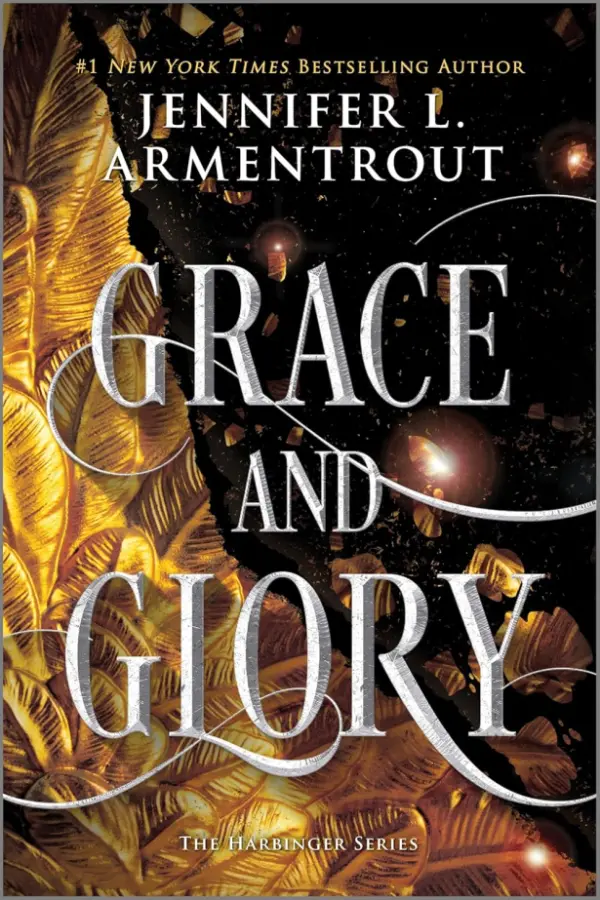
Jennifer L. Armentrout
Harbinger, book 3
Average Goodreads rating4.4
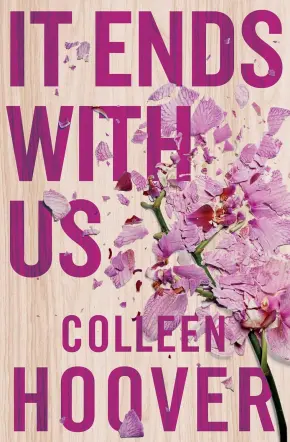
Colleen Hoover
It Ends with Us, book 1
Average Goodreads rating4.6
Matched via its series
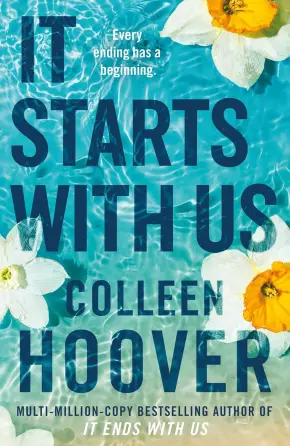
Colleen Hoover
It Ends with Us, book 2
Average Goodreads rating4.5
Matched via its series
Tropes that share the most books with Difficult Choices
Some stories hinge on a sword fight or a magical confrontation. Others hinge on a moment of stillness — a character staring down two paths, neither of them clean, and having to pick one anyway. That's the difficult choices trope: narratives built around decisions that carry genuine weight, where there's no obviously right answer and where the cost of choosing is just as real as the cost of refusing to choose at all.
It's distinct from simple moral dilemmas, though it can include those. The key ingredient is consequence. A difficult choice only lands when readers can feel what's being sacrificed on both sides — a person, a principle, a future — and when the character making it has no guarantee they're getting it right.
There's something almost therapeutic about watching a character navigate an impossible decision from the safety of a page. Readers bring their own experiences of compromise and regret into the story, which is why the trope tends to generate strong emotional responses — sometimes more than an action sequence ever could.
Fantasy and romance both lean heavily on this trope, but for slightly different reasons. In fantasy, difficult choices often carry civilisation-level stakes: save one person or save thousands, honour a promise or betray an alliance, use forbidden power or watch everything fall apart. In romance, the stakes are quieter but no less acute — stay where you belong or follow who you love, protect someone by leaving them, or be honest knowing honesty might break everything.
The trope earns its keep when both options feel genuinely viable. If one choice is obviously worse, there's no real tension — it's just the character being slow. The best versions of difficult choices make readers argue amongst themselves about what they would have done, sometimes long after finishing the book.
Character voice matters enormously here. The internal reasoning a character uses to arrive at their decision tells you more about them than almost any other narrative device. A character who chooses loyalty over justice reveals something different from one who chooses justice over loyalty, even if the external action looks identical. That interiority is where authors either earn the moment or lose it.
Pacing plays a role too. Rush the decision and it feels arbitrary. Dwell on it too long and the tension drains away. The most satisfying versions find a rhythm that mirrors genuine deliberation — circling, second-guessing, and then committing.
You'll find the trope wearing several different costumes depending on the story. The sacrifice dilemma — give up something precious to protect something else — is perhaps the most common. Then there's the loyalty conflict, where a character must choose between two people or groups they genuinely care about. The lesser-of-two-evils variation sits slightly darker, forcing characters to do something they find morally troubling because the alternative is worse.
In romance, the push-pull often takes the form of choosing between safety and vulnerability, or between what makes sense on paper and what the heart keeps insisting on. These feel smaller in scope but not in emotional reality.
Some stories let the consequences of a difficult choice ripple outward across an entire series, revisiting and complicating the original decision as circumstances change. That kind of structural commitment to the trope is when it really sings. Because the most honest thing a story can say about a hard choice is that making it doesn't end the difficulty — it just starts a different kind.
Occasional emails with new recommendations, series news and trope round-ups.