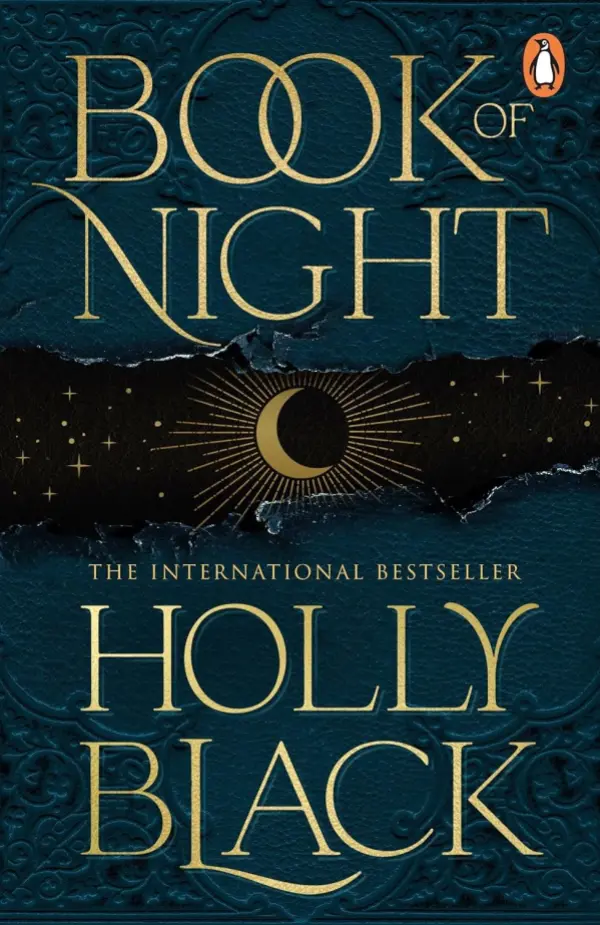
Book of Night
Holly Black
The Charlatan Duology, book 1
Average Goodreads rating3.6
Matched via its series

Book trope · 11 books
Gangs with their own codes of honour. Black markets tucked beneath respectable cities. Crime lords who command more loyalty than any king. The criminal underworld trope places readers inside the hidden machinery of power that runs parallel to — and often beneath — the official world of laws and rulers.
More about the Criminal Underworld trope0 are tagged with Criminal Underworld individually. The others belong to a series tagged with it, which doesn’t mean every book in it features the trope, so they’re marked “Matched via its series”.
Updating books…
11 books found
Holly Black
The Charlatan Duology, book 1
Average Goodreads rating3.6
Matched via its series
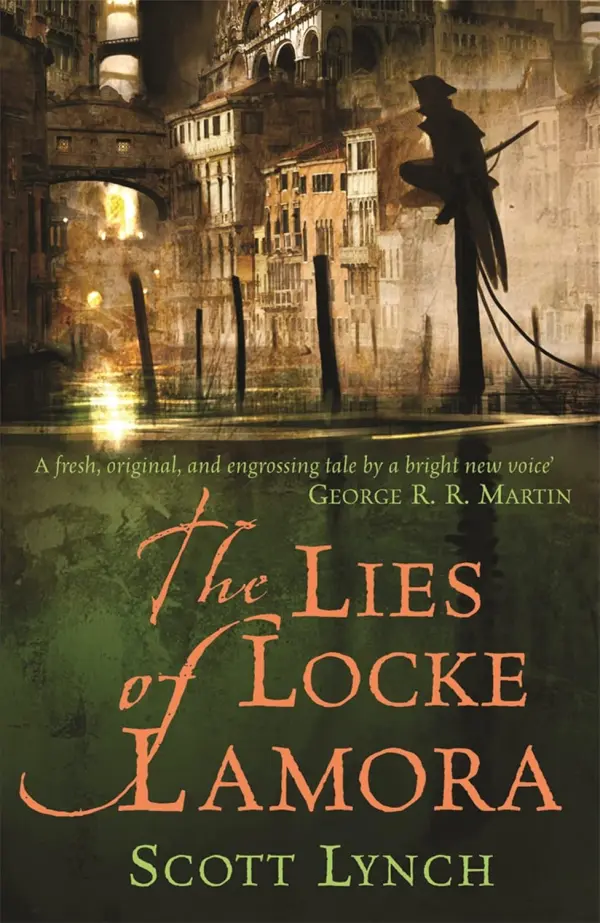
Scott Lynch
The Gentleman Bastard Sequence, book 1
Average Goodreads rating4.6
Matched via its series

Chloe Walsh
Carter Kids, book 1
Matched via its series
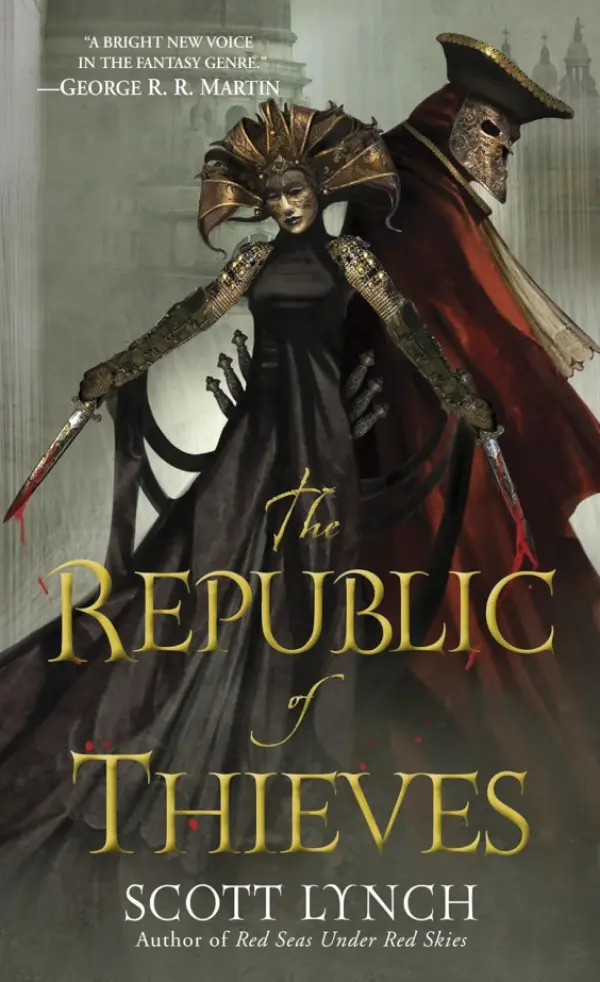
Scott Lynch
The Gentleman Bastard Sequence, book 3
Average Goodreads rating4.4
Matched via its series

Scott Lynch
The Gentleman Bastard Sequence, book 2
Average Goodreads rating4.5
Matched via its series
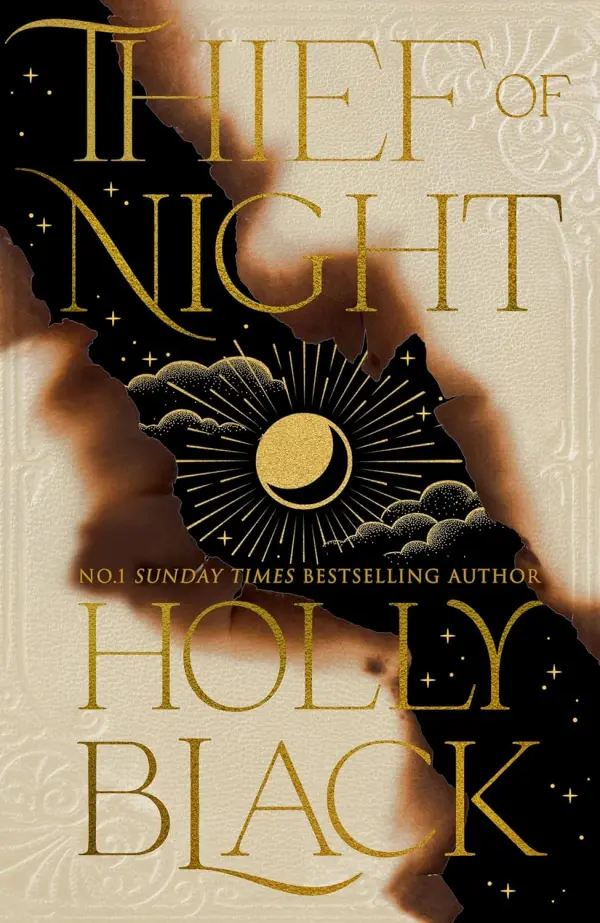
Holly Black
The Charlatan Duology, book 2
Average Goodreads rating4.0
Matched via its series

Chloe Walsh
Carter Kids, book 6
Matched via its series

Chloe Walsh
Carter Kids, book 5
Matched via its series

Chloe Walsh
Carter Kids, book 3
Matched via its series

Chloe Walsh
Carter Kids, book 2
Matched via its series

Chloe Walsh
Carter Kids, book 4
Matched via its series
Tropes that share the most books with Criminal Underworld
Gangs with their own codes of honour. Black markets tucked beneath respectable cities. Crime lords who command more loyalty than any king. The criminal underworld trope places readers inside the hidden machinery of power that runs parallel to — and often beneath — the official world of laws and rulers. It's the shadowed city under the city, where the real negotiations happen and where survival depends on knowing who to trust and when to run.
Fantasy and romance readers are drawn to this trope because it inverts the usual heroic framework. The protagonists aren't knights or nobles. They're thieves, assassins, smugglers, and fences — people who've built something dangerous and real out of nothing. That's compelling. It creates an immediate tension between ambition and ethics, between community and brutality, that cleaner settings rarely manage.
At its core, the trope is built around an alternative power structure. There are rules here, strict ones, but they aren't written down anywhere official. Hierarchy matters enormously — who leads, how they earned it, and what happens when someone challenges them. Betrayal carries enormous weight, which means loyalty does too. The best stories in this space treat the criminal organisation not as a backdrop but as a living institution with its own politics, history, and fracture lines.
Morally grey characters are almost guaranteed. Leaders who protect their people fiercely but destroy anyone who threatens them. Protagonists who justify dubious choices with genuine pragmatism. The reader is rarely allowed the comfort of a clear villain — or a spotless hero. That moral ambiguity is a feature, not a flaw, and readers who love it tend to love it deeply.
In secondary-world fantasy, the underworld often takes the form of thieves' guilds — formalised criminal brotherhoods with initiations, ranks, and territorial disputes that mirror legitimate government. These settings lean into the world-building, using the guild as a lens through which to explore class, poverty, and power.
Urban fantasy tends to layer the criminal underworld over contemporary or near-contemporary cities, often adding supernatural factions — vampire courts controlling trafficking routes, fae running protection rackets, shapeshifter packs claiming territory. The magic complicates every negotiation.
Romance pairings in this space are almost always charged with danger. The forbidden dynamic between a crime lord and someone from outside the life generates enormous tension, especially when the outside character starts to understand — and perhaps admire — the logic of the world they've stumbled into. Slow-burn enemies-to-lovers is a natural fit here, as is the protective instinct that comes with power.
There's something viscerally satisfying about watching someone operate with total competence inside a dangerous system. The criminal underworld strips away the safety nets. Stakes are immediate and personal. When a character here earns trust or survives a double-cross, it means something, because the cost of failure is visible on every page.
It also asks a question that doesn't have a tidy answer: when the official structures of power are corrupt or absent, what do ordinary people build instead? That question gives the trope its staying power. Not just the heists and the knife fights — though those help — but the complicated, thrilling business of making your own rules and living by them.
Occasional emails with new recommendations, series news and trope round-ups.