
Wild Love
Elsie Silver
Rose Hill, book 1
Average Goodreads rating4.3
Matched via its series

Book trope · 9 books
Boots, dust, wide-open skies, and a man who fixes fences at dawn and says what he means — cowboy romance is one of the most enduring subgenres in romantic fiction, and for good reason.
More about the Cowboy Romance trope0 are tagged with Cowboy Romance individually. The others belong to a series tagged with it, which doesn’t mean every book in it features the trope, so they’re marked “Matched via its series”.
Updating books…
9 books found
Elsie Silver
Rose Hill, book 1
Average Goodreads rating4.3
Matched via its series

Elsie Silver
Chestnut Springs, book 1
Average Goodreads rating4.3
Matched via its series

Elsie Silver
Rose Hill, book 2
Average Goodreads rating4.5
Matched via its series

Elsie Silver
Chestnut Springs, book 2
Average Goodreads rating4.6
Matched via its series

Elsie Silver
Chestnut Springs, book 5
Average Goodreads rating4.4
Matched via its series

Elsie Silver
Chestnut Springs, book 3
Average Goodreads rating4.3
Matched via its series

Elsie Silver
Chestnut Springs, book 4
Average Goodreads rating4.5
Matched via its series
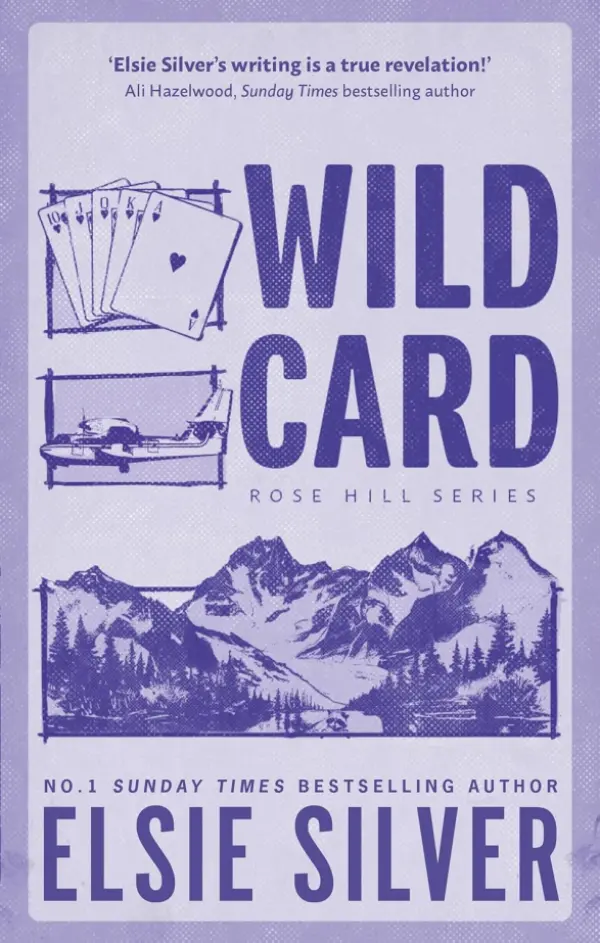
Elsie Silver
Rose Hill, book 4
Matched via its series
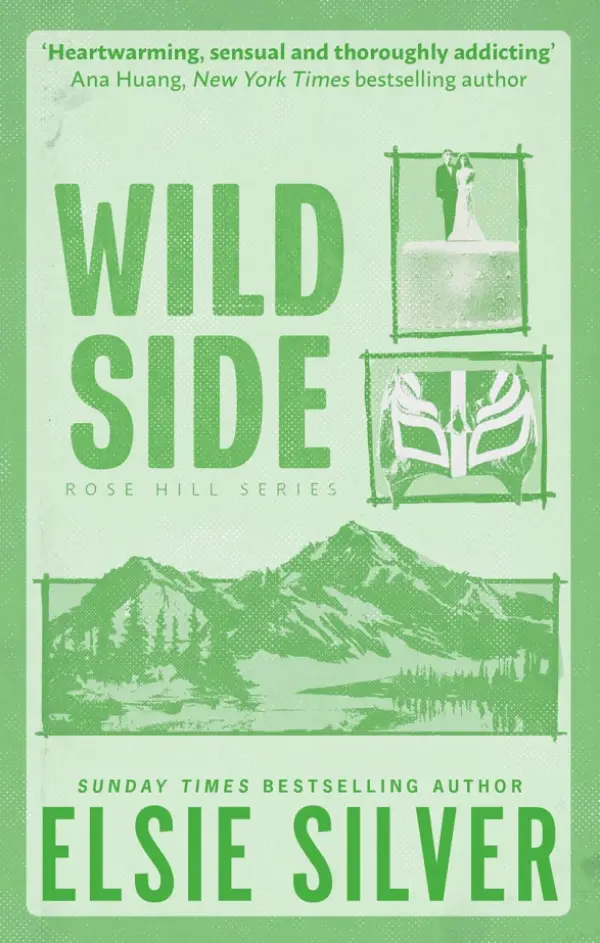
Elsie Silver
Rose Hill, book 3
Matched via its series
Tropes that share the most books with Cowboy Romance
Boots, dust, wide-open skies, and a man who fixes fences at dawn and says what he means — cowboy romance is one of the most enduring subgenres in romantic fiction, and for good reason. It centres on a love story set against a rural Western backdrop, typically in the American West or Southern heartland, where ranches, rodeos, and small-town life form the world these characters inhabit. The hero is almost always physically capable, quietly honourable, and not exactly forthcoming with his feelings. That tension, between a man who's all action and very little words, and a heroine who demands to be seen fully, is the engine that drives most of these stories.
Readers who love cowboy romance tend to love it obsessively. There's a reason the genre has sustained hundreds of long-running series and remains a perennial bestseller category. It offers a particular fantasy — not just of a rugged partner, but of a slower, more grounded way of life. Land that means something. Work that matters. A community small enough to know your name.
The cowboy archetype isn't simply a man in a hat. What defines him is a specific set of values: self-reliance, loyalty, protectiveness, and a bone-deep sense of duty to the people and land he calls his own. He's often stoic to a fault. He'll mend a stranger's broken-down truck in the rain without expecting thanks, but ask him how he's feeling and he'll suddenly find something very important to do in the barn.
That emotional reticence is a feature, not a flaw — at least, not in the reader's eyes. It creates space for the romance to do its slow, satisfying work. Because when a cowboy finally opens up, when he reaches across that careful distance he keeps around himself, it lands with real weight. These heroes tend to be devoted rather than dazzling. Their love, once given, isn't easily taken back.
Cowboy romance is broader than it might first appear. The classic setting is a working cattle ranch, often family-owned and financially precarious, which adds useful narrative pressure. But the genre branches out considerably. Rodeo romance focuses on the competitive circuit — a transient, adrenaline-charged world of bull riders and barrel racers that suits fast-burn storylines. Small-town Western romance shifts the emphasis to the community itself, where the cowboy might be a rancher, a sheriff, or simply the quiet man everyone knows but nobody quite understands.
There are also contemporary cowboy romances set firmly in the modern day, complete with smartphones and complicated family dynamics, and historical Westerns that lean into the full mythology of the frontier era. Some authors blend cowboy romance with romantic suspense, bringing in threats to the ranch or a mysterious stranger with a past. Others play with gender and identity, writing queer cowboy romances that honour the genre's conventions while expanding who gets to live inside them.
Part of the appeal is escapism of a very specific texture. Cowboy romance offers landscapes that feel vast and unhurried, a counterweight to the noise of contemporary life. But the genre also delivers something emotionally satisfying on a structural level — these stories almost always feature a hero who has to earn the right to be loved back. Pride, grief, old wounds, family obligation: there's always something standing between him and happiness, and watching him dismantle it, slowly and imperfectly, is deeply compelling.
The best cowboy romances understand that the setting isn't decoration. The land, the seasons, the physical labour of ranch life — these shape who the characters are and what it costs them to change. When the hat finally comes off, so to speak, it means something.
Occasional emails with new recommendations, series news and trope round-ups.