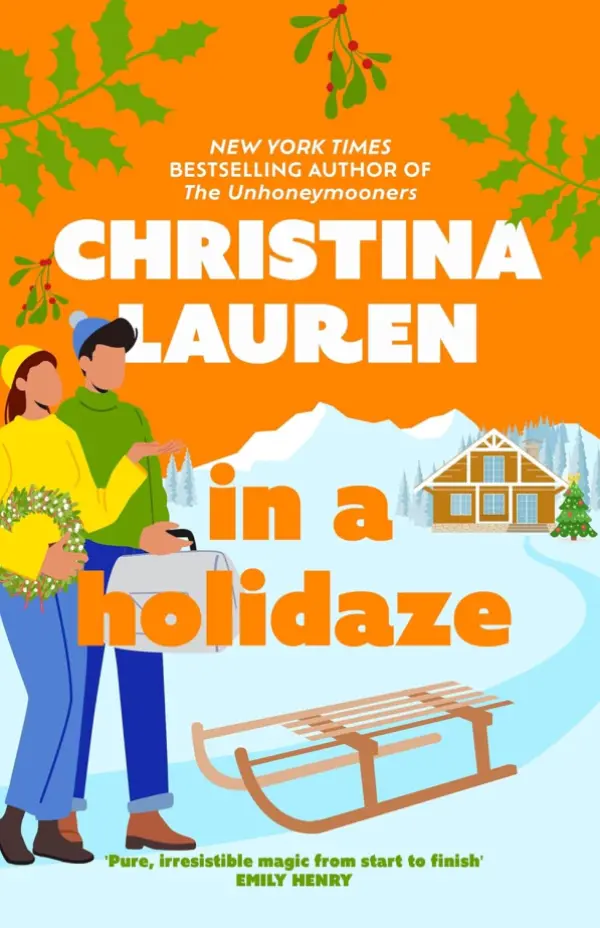
In A Holidaze
Christina Lauren
Average Goodreads rating4.1
- Found Family
- Time Travel

Book trope · 3 books
Comedy in fiction isn't a single device so much as a commitment — a decision by the author to treat humour as a genuine craft element rather than a garnish.
More about the Comedy trope1 is tagged with Comedy individually. The others belong to a series tagged with it, which doesn’t mean every book in it features the trope, so they’re marked “Matched via its series”.
Updating books…
3 books found
Christina Lauren
Average Goodreads rating4.1

Konrad Ryan
Ultimate Cocky Fighter, book 1
Average Goodreads rating4.2
Matched via its series
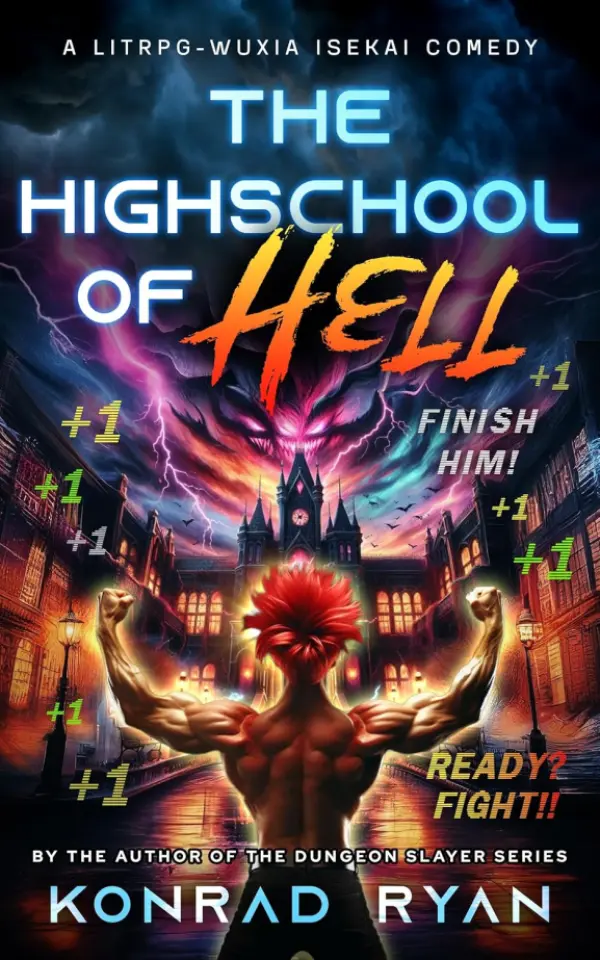
Konrad Ryan
Ultimate Cocky Fighter, book 2
Average Goodreads rating4.8
Matched via its series
Tropes that share the most books with Comedy
Comedy in fiction isn't a single device so much as a commitment — a decision by the author to treat humour as a genuine craft element rather than a garnish. When a book carries the comedy trope, laughter isn't incidental. It's structural. Timing, character voice, situational absurdity, and sharp dialogue all work together to produce a reading experience where you might find yourself grinning on the first page and outright laughing by chapter three.
Fantasy and romance are particularly fertile ground for comedy because both genres already involve heightened circumstances. A miscast spell, a fake engagement spiralling wildly out of control, a grumpy immortal forced to navigate modern bureaucracy — the conditions for comedic disaster are built right into the premises. Comedy in these genres doesn't undercut the emotional stakes. When done well, it amplifies them.
The clearest marker of a comedy-driven book is voice. Narrators and protagonists in comedy tend to be self-aware, reactive, and a little hapless — people who notice the absurdity of their situation and comment on it, whether directly or through the texture of their observations. A truly funny book makes you feel like the narrating consciousness is on your side, noticing what you'd notice.
Banter is another hallmark. Characters in comedic fiction talk to each other with a particular kind of electricity — interrupting, deflecting, wrong-footing one another. This is especially prevalent in romantic comedies, where wit between a central pairing often doubles as both armour and foreplay. The comedy and the tension feed each other.
Situational comedy, meanwhile, tends to escalate. One small deception or misunderstanding compounds into something increasingly preposterous, and the fun lies in watching characters try to manage a situation that keeps getting worse before it gets better. Farce, in other words. Farce is timeless.
Comedy in fantasy often leans into genre-awareness — characters who are vaguely suspicious that they're living inside a story, or who react to magical catastrophe with weary pragmatism rather than awe. This flavour of comedy pairs naturally with found-family dynamics and ensemble casts, where the jokes emerge from the friction of wildly different personalities being thrown together.
Romantic comedy, often shortened to rom-com, is probably the most recognisable comedic subgenre in fiction right now. It centres the joke-making within a central relationship, using humour to delay and complicate the inevitable emotional resolution. The enemies-to-lovers and fake-dating tropes are practically made for this treatment.
Dark comedy is its own distinct beast — books that find something wry or absurd in genuinely grim circumstances. The laughter here is uncomfortable, a little guilty, and often more memorable for it. This variation tends to appear in fantasy with satirical edges, or in romance that isn't afraid to let the mess be real.
There's a reason readers describe a favourite funny book the way they describe a favourite funny friend — with a kind of warmth that goes beyond appreciation. Comedy requires a writer to be genuinely clever, to trust the reader, and to resist explaining the joke. When it lands, it creates an intimacy that straight drama rarely achieves.
Comedy also tends to be doing more than it appears. The funniest books are frequently the most emotionally precise — they make you laugh, and then catch you off guard with something true. That combination is almost impossible to put down.
Occasional emails with new recommendations, series news and trope round-ups.