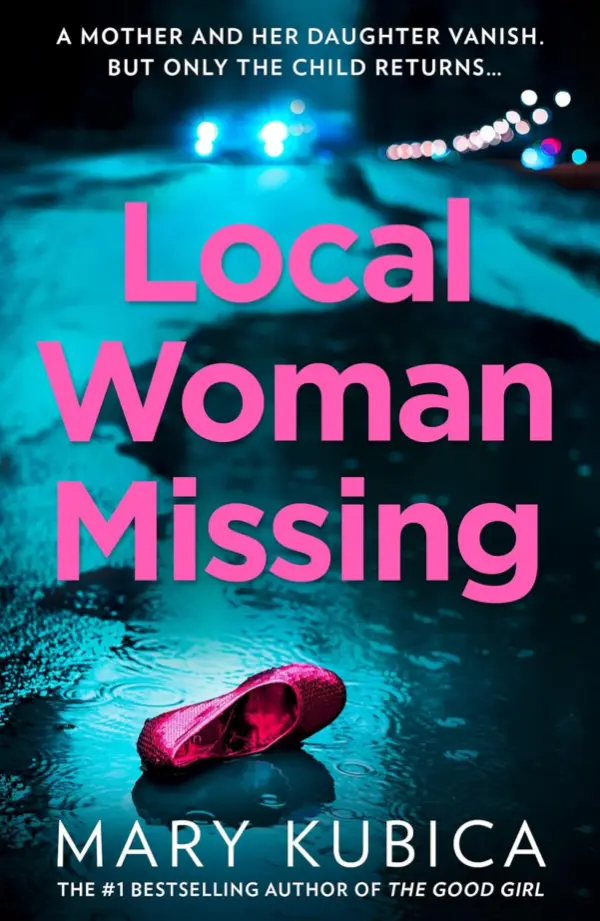
Local Woman Missing
Mary Kubica
Average Goodreads rating4.1
- Multiple POV
- Domestic Suspense

Book trope · 3 books
A cold case is an unsolved crime — most often a murder — that was investigated, shelved, and left to gather dust, sometimes for decades. When something or someone disturbs that settled silence, the investigation reopens.
More about the Cold Case tropeUpdating books…
3 books found
Mary Kubica
Average Goodreads rating4.1
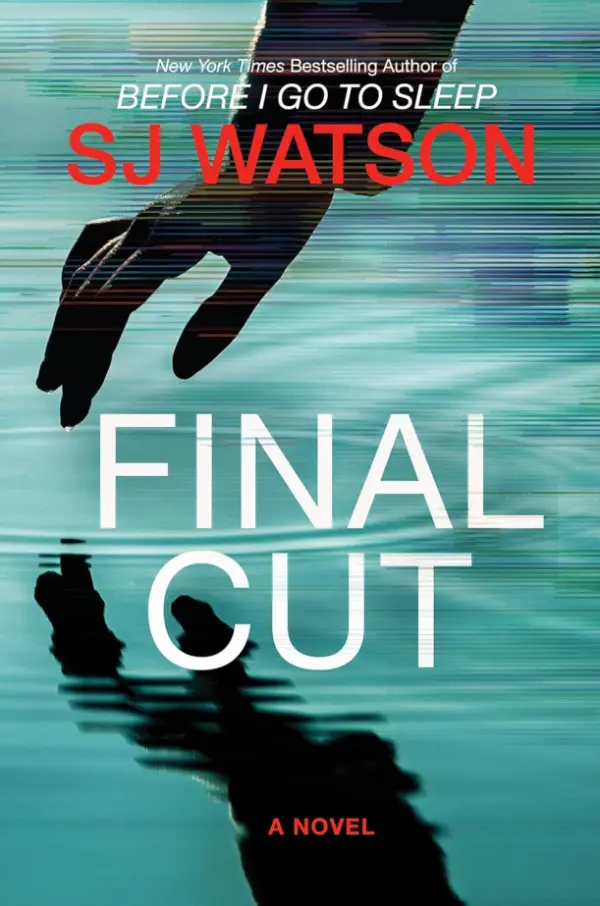
S. J. Watson
Average Goodreads rating3.1
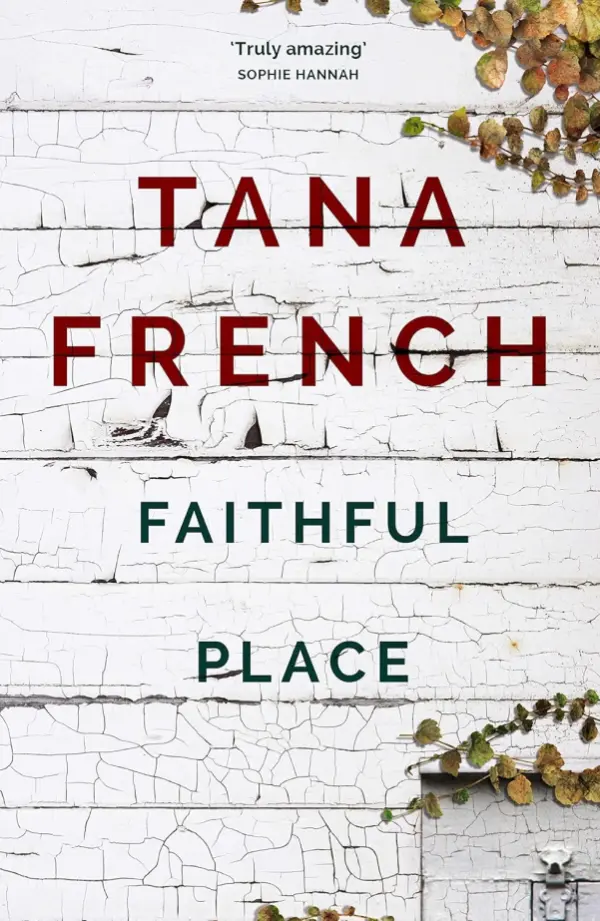
Tana French
Dublin Murder Squad, book 3
Average Goodreads rating4.0
Tropes that share the most books with Cold Case
A cold case is an unsolved crime — most often a murder — that was investigated, shelved, and left to gather dust, sometimes for decades. When something or someone disturbs that settled silence, the investigation reopens. That disruption is where the story begins.
In fiction, cold cases carry a particular weight that fresh crimes can't quite replicate. Time has done strange things to the evidence. Witnesses have moved away, changed their stories, or died. The original detective may have made mistakes they'd rather not revisit. And the killer, if still alive, has had years to become someone respectable, someone trusted, someone no one would suspect.
There's something viscerally satisfying about watching the past refuse to stay buried. Cold case stories tap into the sense that justice, however delayed, is still possible — that a victim who was forgotten can still matter to someone. That emotional pull is often what elevates these stories beyond a straightforward whodunit.
Readers also love the layered quality of the mystery itself. A cold case isn't just a puzzle to solve; it's a puzzle that's already been picked up and put down by other people, each of whom left their own fingerprints on it. There's usually a tangled history to unpick, and that means the detective — amateur, professional, or journalist — has to reconstruct not just what happened, but why the truth was never found the first time.
Cold case appears most naturally in crime fiction and psychological thrillers, where the ticking clock is replaced by something slower and more unsettling: the creeping sense that the answer has been here all along. But the trope travels. In romantic suspense, the reopened case often draws two characters together under pressure. In gothic fiction, it shades into family secrets and inherited guilt. In cosy mysteries, a long-ago local death frequently rattles the bones of a small community still shaped by what happened.
The structure varies too. Some stories follow a professional investigator given official reason to reopen a file. Others centre on a private citizen — a relative of the victim, a true crime writer, a newcomer who stumbles onto an old story — who has no institutional backing and must operate around the edges of what's permitted. Each version asks a slightly different question: the first, why this case now; the second, why this person.
The best cold case stories understand that the past and the present run in parallel, not in sequence. Uncovering what happened decades ago changes how characters understand their lives right now — their families, their towns, themselves. The mystery is the engine, but the excavation of memory and silence is what lingers.
Cold cases remind us that some questions don't expire. They just wait.
Occasional emails with new recommendations, series news and trope round-ups.