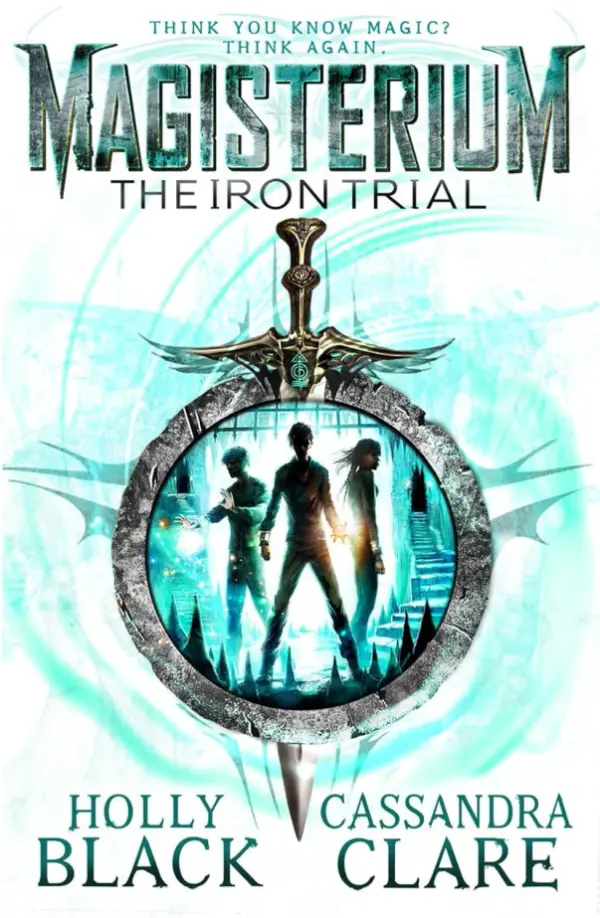
The Iron Trial
Cassandra Clare & Holly Black
Magisterium, book 1
Average Goodreads rating4.0
Matched via its series

Book trope · 14 books
The hero of a story is supposed to be easy to admire. Brave, principled, driven by something recognisably good. The anti-hero complicates all of that.
More about the Anti-Hero Protagonists trope0 are tagged with Anti-Hero Protagonists individually. The others belong to a series tagged with it, which doesn’t mean every book in it features the trope, so they’re marked “Matched via its series”.
Updating books…
14 books found
Cassandra Clare & Holly Black
Magisterium, book 1
Average Goodreads rating4.0
Matched via its series
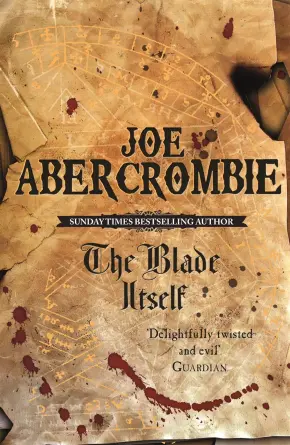
Joe Abercrombie
The First Law Trilogy, book 1
Average Goodreads rating4.7
Matched via its series
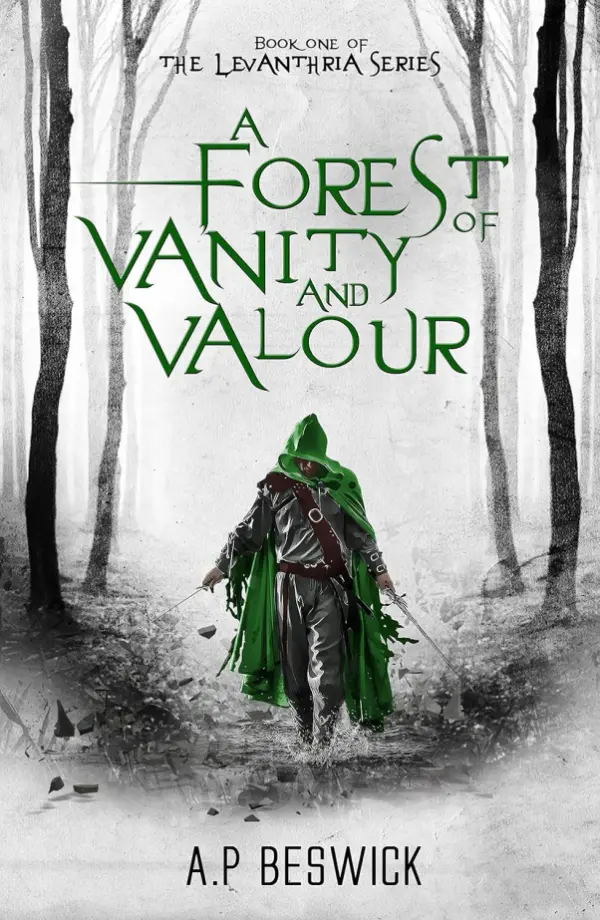
A. P. Beswick
The Levanthria Series, book 1
Average Goodreads rating3.9
Matched via its series
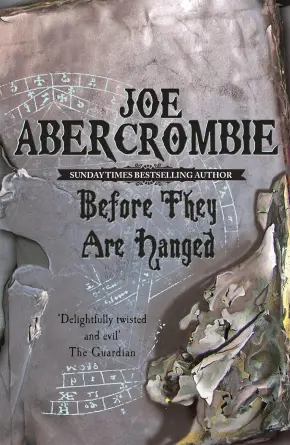
Joe Abercrombie
The First Law Trilogy, book 2
Average Goodreads rating4.6
Matched via its series
Joe Abercrombie
The First Law Trilogy, book 3
Average Goodreads rating4.6
Matched via its series
A. P. Beswick
The Levanthria Series, book 2
Average Goodreads rating3.9
Matched via its series
A. P. Beswick
The Levanthria Series, book 3
Average Goodreads rating4.1
Matched via its series
A. P. Beswick
The Levanthria Series, book 4
Average Goodreads rating4.2
Matched via its series
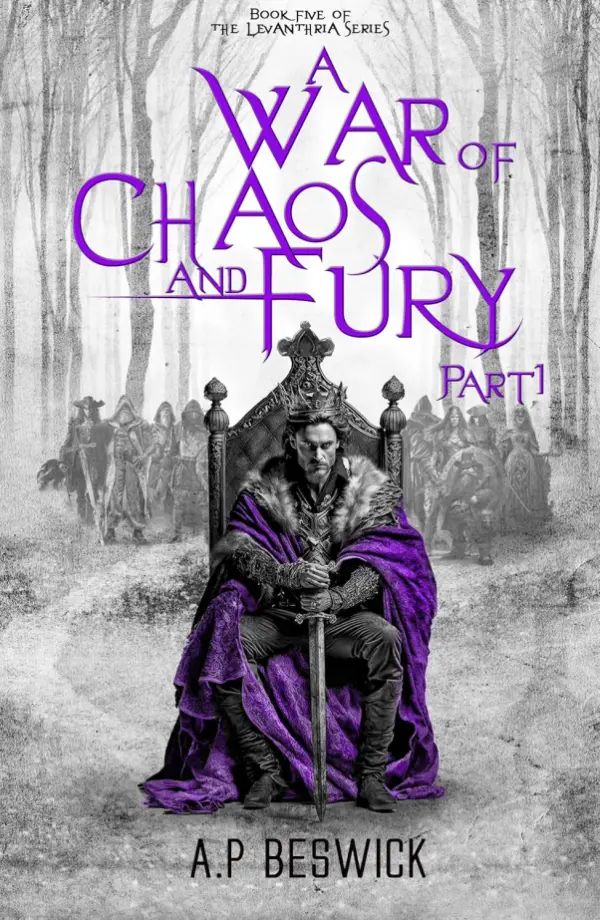
A. P. Beswick
The Levanthria Series, book 5
Average Goodreads rating4.4
Matched via its series
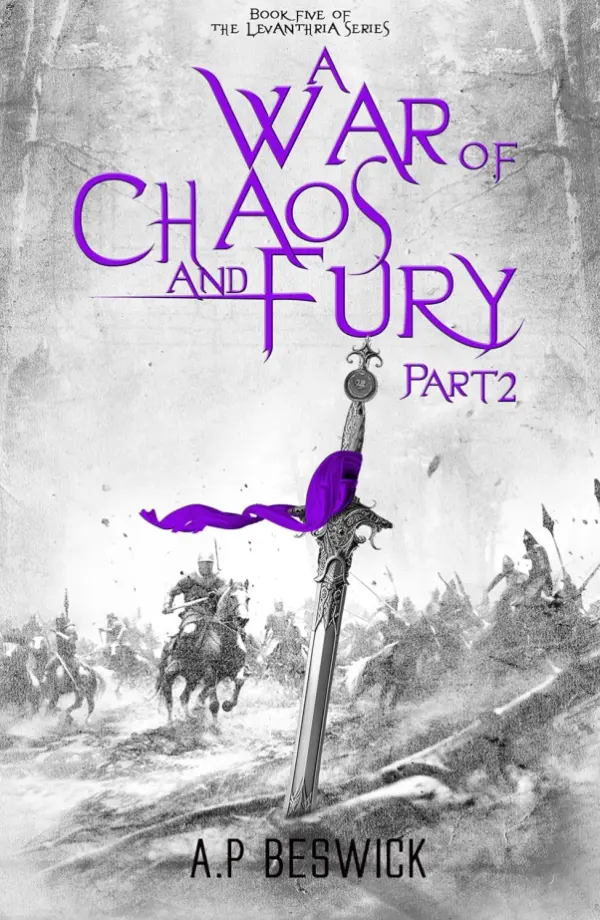
A. P. Beswick
The Levanthria Series, book 6
Average Goodreads rating4.4
Matched via its series
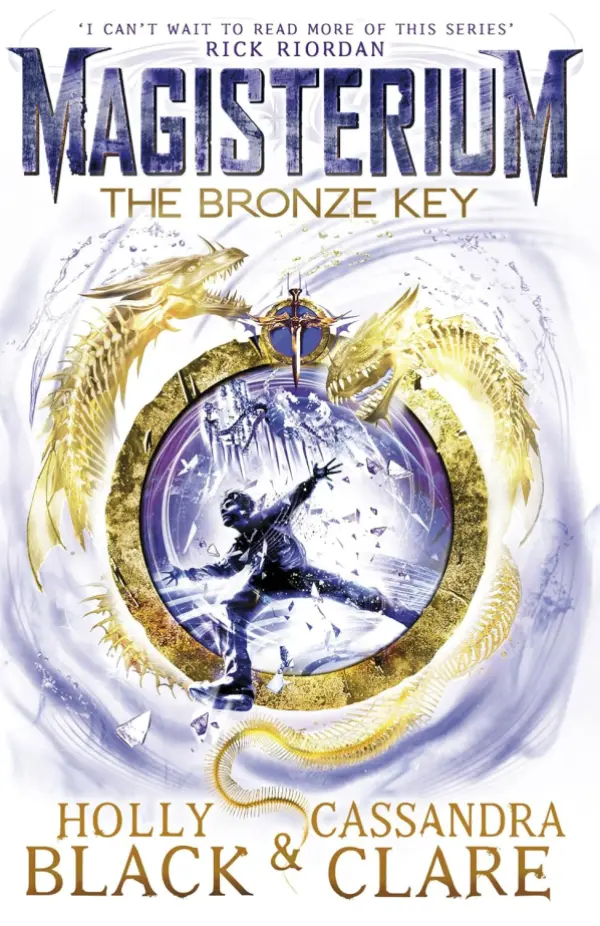
Cassandra Clare & Holly Black
Magisterium, book 3
Matched via its series
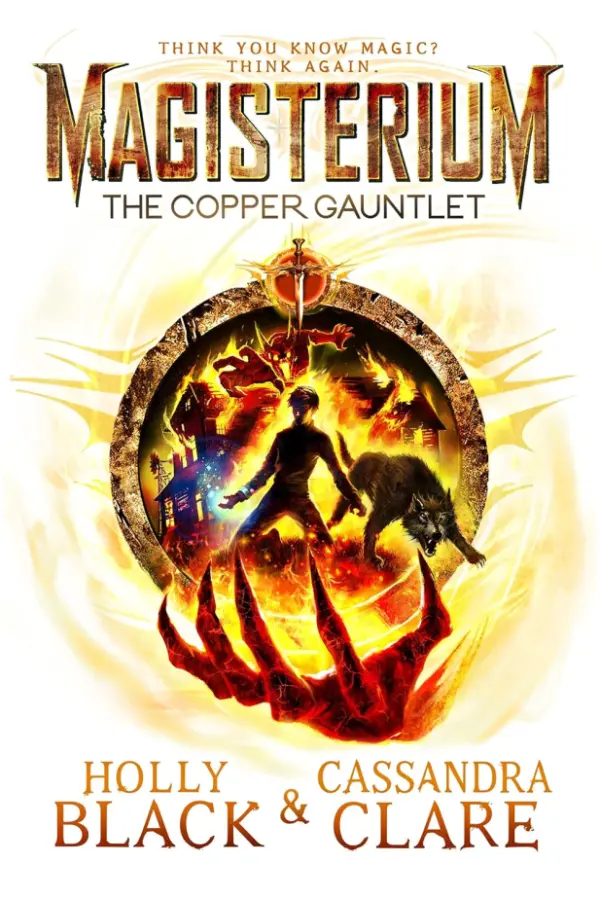
Cassandra Clare & Holly Black
Magisterium, book 2
Matched via its series
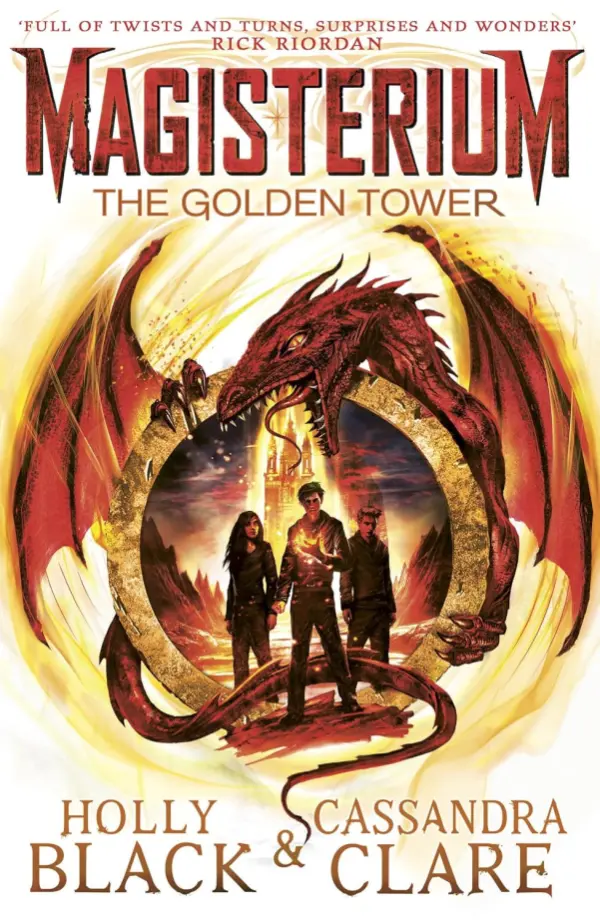
Holly Black & Cassandra Clare
Magisterium, book 5
Matched via its series
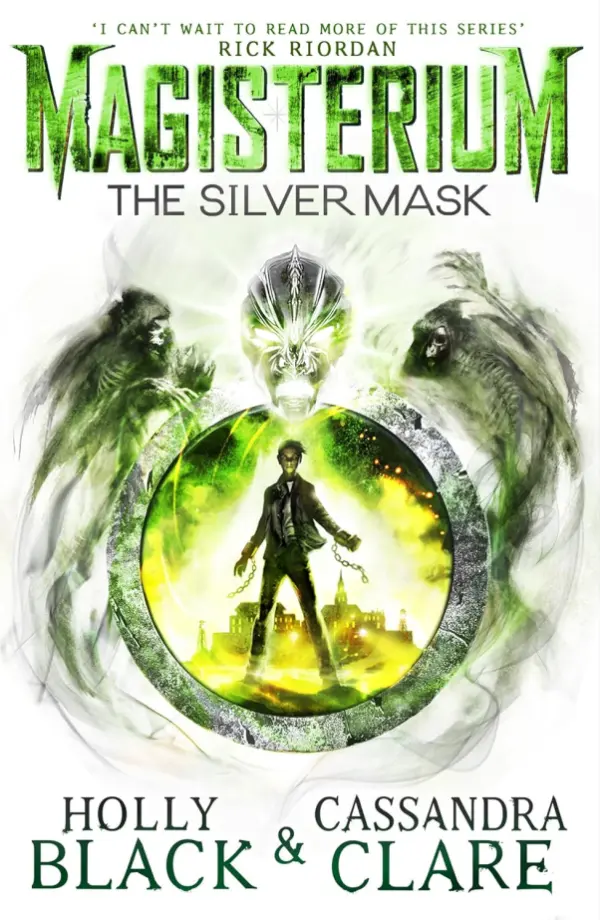
Cassandra Clare & Holly Black
Magisterium, book 4
Matched via its series
Tropes that share the most books with Anti-Hero Protagonists
The hero of a story is supposed to be easy to admire. Brave, principled, driven by something recognisably good. The anti-hero complicates all of that. They are the protagonist you find yourself rooting for despite - or sometimes because of - the fact that they do not fit the shape of a hero at all. They lie, manipulate, pursue selfish ends, operate by a moral code that the world around them would not endorse, and occasionally do genuinely terrible things for reasons that are entirely their own. And yet the story follows them. And somehow, against your better judgement, so do you.
An anti-hero is a central character who lacks the conventional qualities of heroism - moral clarity, selflessness, a commitment to doing right - whilst still functioning as the figure the reader is positioned to follow and, to some degree, invest in. What defines them is not simply that they are flawed - all interesting protagonists are flawed - but that their flaws are structural rather than incidental. The anti-hero's selfishness, ruthlessness, or moral ambiguity is not a weakness to be overcome on the way to becoming a better person. It is the lens through which the story is told. They may grow, or they may not. They may redeem themselves, or they may not. The story does not require it of them.
Anti-heroes give readers permission to engage with parts of human nature that conventional heroism requires them to set aside. There is something genuinely freeing about a protagonist who does not pretend to be good - who pursues their goals with a directness and self-awareness that more virtuous characters cannot afford. Readers are drawn to anti-heroes because they are honest in a way that idealised heroes are not, and because following a morally compromised character forces a kind of active, uncomfortable engagement. You cannot simply admire them from a safe distance. You must decide, repeatedly, how you feel about what they are doing and why - and that decision is rarely clean.
These stories tend to place their protagonist in situations that test not whether they will become heroic, but whether they will become worse. The pressure applied is specifically designed to reveal the limits of their particular moral framework - the point at which their code, however idiosyncratic, either holds or breaks. Secondary characters often serve as mirrors: the genuinely virtuous figure who highlights what the anti-hero is not, the character who has gone further down the same road and shows where it leads, the person whose trust the anti-hero has earned and must decide whether to honour. The ending is rarely a full redemption. More often it is a choice - one that tells the reader everything they need to know about who this person actually is.
The Anti-Hero Protagonists trope endures because moral complexity does not go out of fashion. Stories that insist on the simple goodness of their central character ask relatively little of their readers. Stories that centre someone genuinely compromised ask considerably more - and offer considerably more in return. The best anti-heroes illuminate something true about human nature: that the line between understandable and unforgivable is blurrier than anyone is comfortable admitting, and that the capacity for both exists in the same person simultaneously. Following an anti-hero is an education in ambiguity. It turns out that is exactly what a great many readers are looking for.
Occasional emails with new recommendations, series news and trope round-ups.